Let’s be honest for a second- when was the last time you actually looked in the toilet bowl before flushing?
I know, I know, it sounds a little gross. But as a functional nutritionist, it’s one of the things I ask my clients about. On a daily basis, people track their steps, protein intake and track the meals, yet often ignore the minute clues their bodies try to give them through different symptoms. Your bowel movements and stools are one of them, they carry a valuable insight into your digestion, gut motility, hydration, and how well you may be absorbing the nutrients.
So, here’s your simple guide to decode what your stool may be telling you about your gut and what you can do about it.
Why Your Daily Bowel Movements Matter More Than You Think?
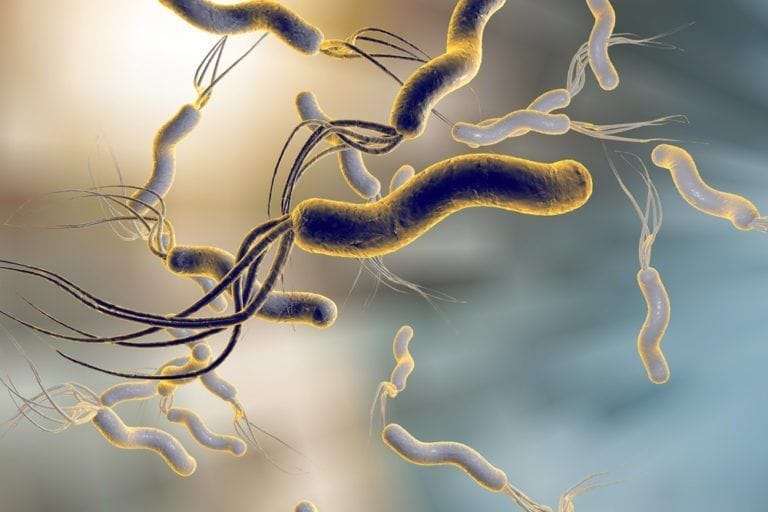
Your stool is a direct reflection into your internal health because its physical characteristics are influenced by your gut microbiome, a community of trillions of bacteria living inside you. The key to understanding this is Gut Transit Time. It is the total time your food takes to travel through your digestive tract & eliminate from the body. Think of your gut as a conveyor belt. When it moves at a healthy pace, your colon has enough time to absorb water and your gut bacteria also gets time to break down nutrients, producing a smooth, sausage-shaped stool that is easy to pass. But when it doesn’t function well due to several reasons like having an Inflammatory diet, stress, dehydration or any infection, your body has less time to absorb moisture from the food, resulting in loose or watery stools. When it is too slow, because of an Inflammatory diet, lack of fibre, the colon absorbs too much water, leaving stools hard and difficult to pass, causing Constipation. This is why your stool’s shape, texture, and frequency matters to understand the environment your gut microbes are living in.
What Does a Healthy Stool Look Like?
You can easily examine this with a simple chart called Bristol Stool Chart. It’s a simple tool that categorizes stool into seven types based on what you see in the bowl. Those seven types are –

Group 1:Types 1 & 2– Constipation
If your stool looks like Type 1 or Type 2, it usually means your stool is moving through the colon more slowly than ideal. As stool sits for a long time in the colon, it naturally loses its moisture. The longer it stays there, the more moisture is removed, making the stool drier, harder and more difficult to pass.
Possible Contributing Factors –
-
Lack Of Fibre: Fibre adds bulk to stool and helps retain water, making it softer and easier to pass. So Aim to consume at least 20 different vegetables throughout the week to increase fibre variety and provide a variety of fibres on which gut bacteria thrives
-
Inadequate Hydration: Fluids help keep stool softer. Sip 2–3 times every hour rather than waiting until you’re thirsty, and aim for around 3 L of fluids across the day
-
Low Physical Activity: Regular movement can support normal bowel motility, while prolonged inactivity may contribute to slower transit.Try a gentle 10–20 minute walk after meals to build regular movement and support post-meal glucose control.
-
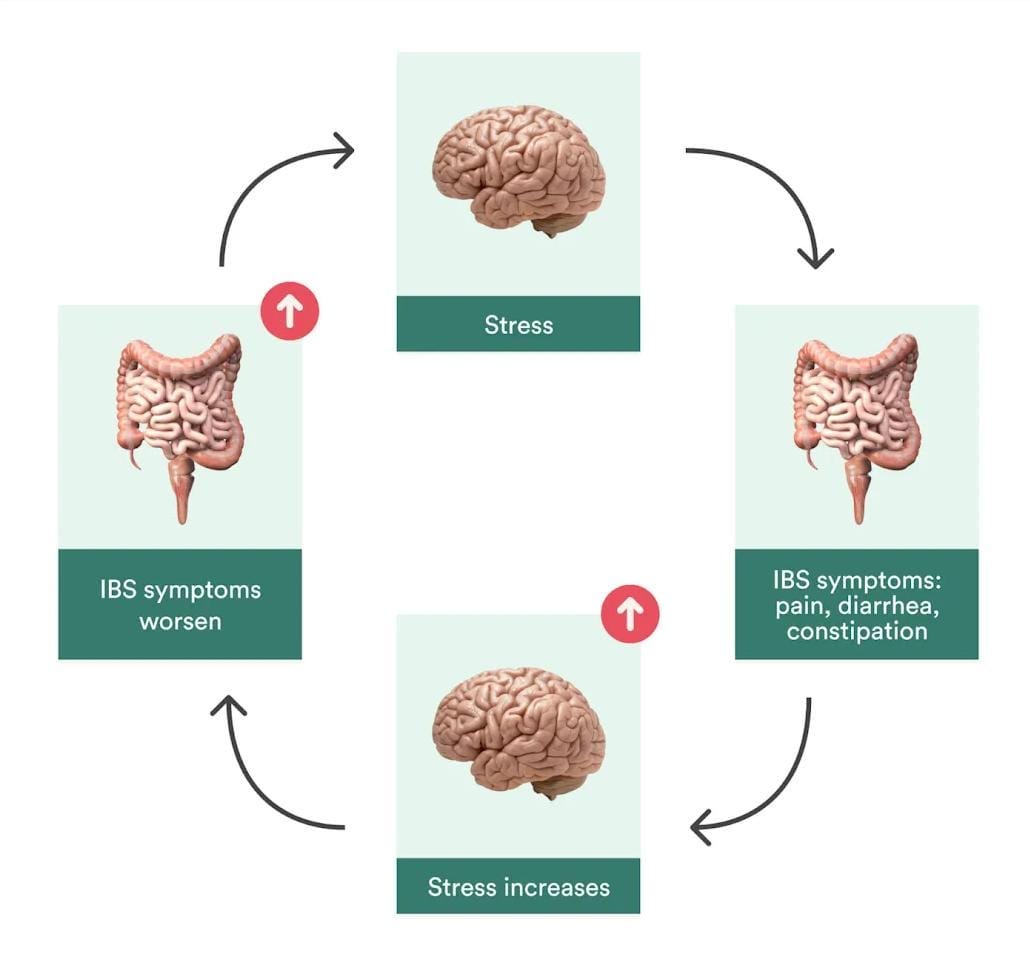
Stress And Poor Sleep: Your brain and gut are constantly communicating. Stress can influence gut motility, while sleeping less than 8hours affects bowel habits.
-
Inadequate fats – Don’t eliminate fats completely. When fat reaches your small intestine, it triggers the release of digestive enzymes which help coordinate digestion and gut movement. If your diet is consistently very low in fat, especially alongside low fibre and inadequate overall food intake, constipation can become more likely. Include healthy sources such as nuts, seeds, avocado, olive oil and ghee as part of a balanced diet.
-
Gut Dysbiosis: Changes in the composition or function of your gut microbes may influence stool consistency and bowel motility. If you frequently experience bloating or a “balloon-like” belly, consider assessing your overall gut health. Add bifidobacterium
-
Low stomach acid – When there isn’t enough stomach acid, food may not be broken down as efficiently, which can affect the digestive process further down the gut. In some people, this can contribute to bloating, bacterial overgrowth and changes in gut function and constipation can be one of the symptoms.
Group 2: Types 3 & 4 – The Gold Standard
This is the sweet spot we aim for, representing a balanced gut transit time that supports proper nutrient absorption and bacterial harmony. Type 3, shaped like a sausage with tiny cracks on the surface, means you’re doing pretty well, but your gut may benefit from a little more hydration or healthy fats. The ultimate goal is Type 4, smooth, soft sausage that passes effortlessly without straining, holds its shape in the bowl, and reflects good hydration, adequate fiber intake, and healthy gut motility.
Group 3: Types 5, 6 & 7 – Diarrhea and Inflammation
This group suggests that your digestive system is moving too quickly for the colon to properly reabsorb fluids and nutrients. Type 5 is the first warning sign that suggests that food is moving through your gut faster than ideal. It’s not full-blown diarrhea yet, but may be triggered by stress, a food intolerance. With Type 6, stools become fluffy, ragged, and mushy, indicating even faster transit and possible gut irritation. This can occur with food sensitivities, bacterial overgrowth, IBS. Type 7 is entirely liquid, with no solid pieces. At this stage, rapid transit can significantly increase fluid and electrolyte loss, making rehydration and identifying the underlying trigger the priority.
Possible Contributing Factors –
-
SIBO: An overgrowth of bacteria in the small intestine can interfere with normal digestion and is associated with bloating, gas and diarrhea in some people. Persistent bloating, especially after meals, alongside loose stools may warrant proper evaluation rather than self-treating for SIBO.
-
Infections: Viral or bacterial infections and food poisoning can suddenly speed up bowel movements and cause watery diarrhea. During acute diarrhea, prioritise fluids and electrolytes and seek medical care if symptoms are severe or persistent.
-
Food Sensitivities/ Intolerances: Certain foods can trigger loose stools in susceptible people. Track your symptoms and look for consistent patterns rather than unnecessarily restricting your entire diet.
-
Gut Irritation (IBS) / Inflammation: Inflammation in the digestive tract can affect the colon’s ability to absorb water and may cause urgency, loose stools and sometimes mucus or blood. Persistent diarrhea, blood in stool, fever or unexplained weight loss needs medical evaluation.
The Bottom Line
At the end of the day, your body is constantly communicating with you through your physical symptoms and the everyday environment you create for it. As a functional nutritionist, I want you to remember that your digestion is not just a collection of symptoms to manage, it is a deeply intuitive biofeedback loop. Persistent constipation, diarrhoea, blood in the stool, unexplained colour changes, or ongoing digestive symptoms are your body’s way of asking for attention not something to simply normalize. If your digestion has been trying to tell you something, it may be time to start listening.
Let’s chat in the comments below, or book a root-cause discovery call with me to build a personalised gut-healing strategy based on your symptoms, lifestyle, and health goals.