
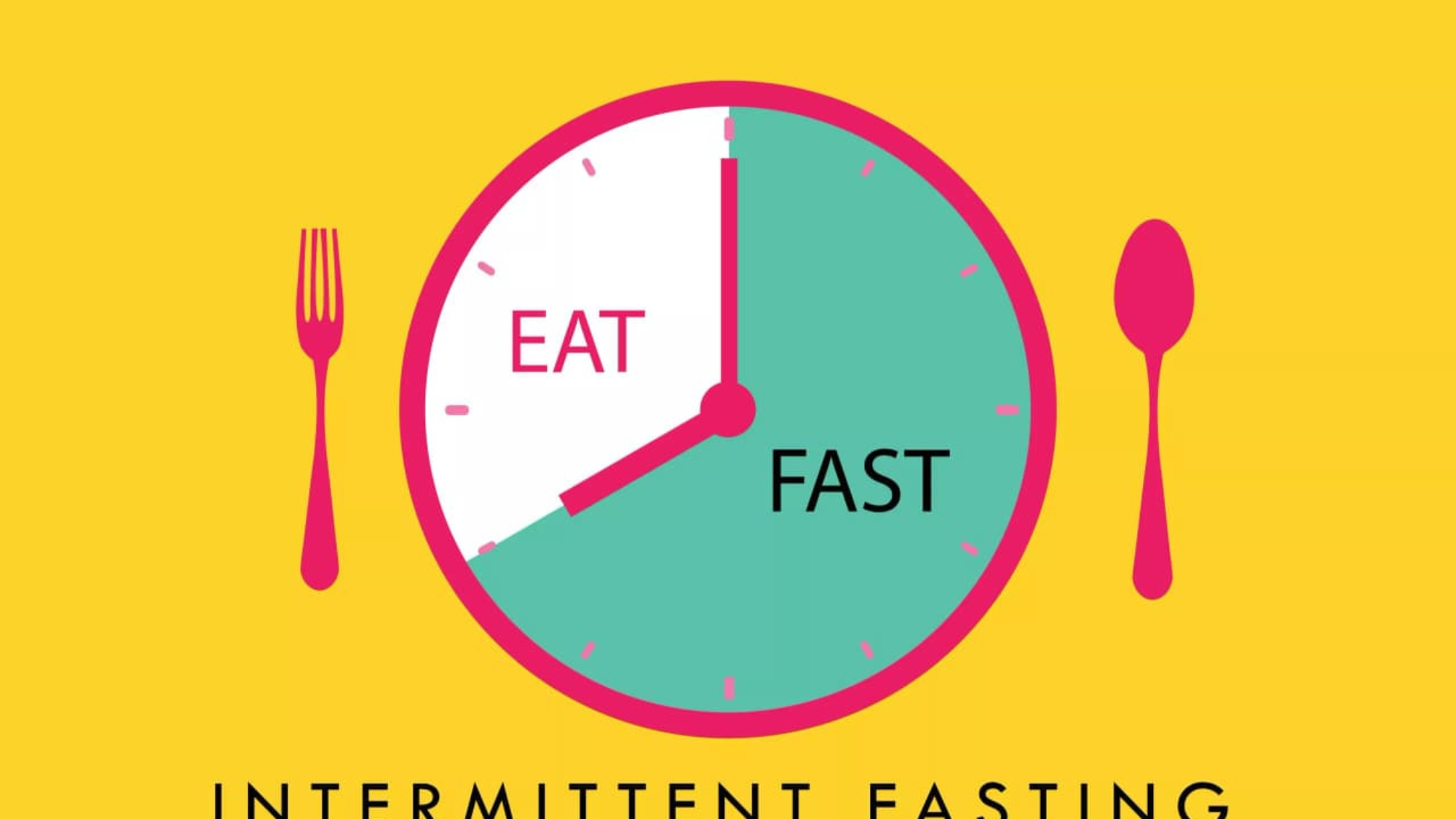
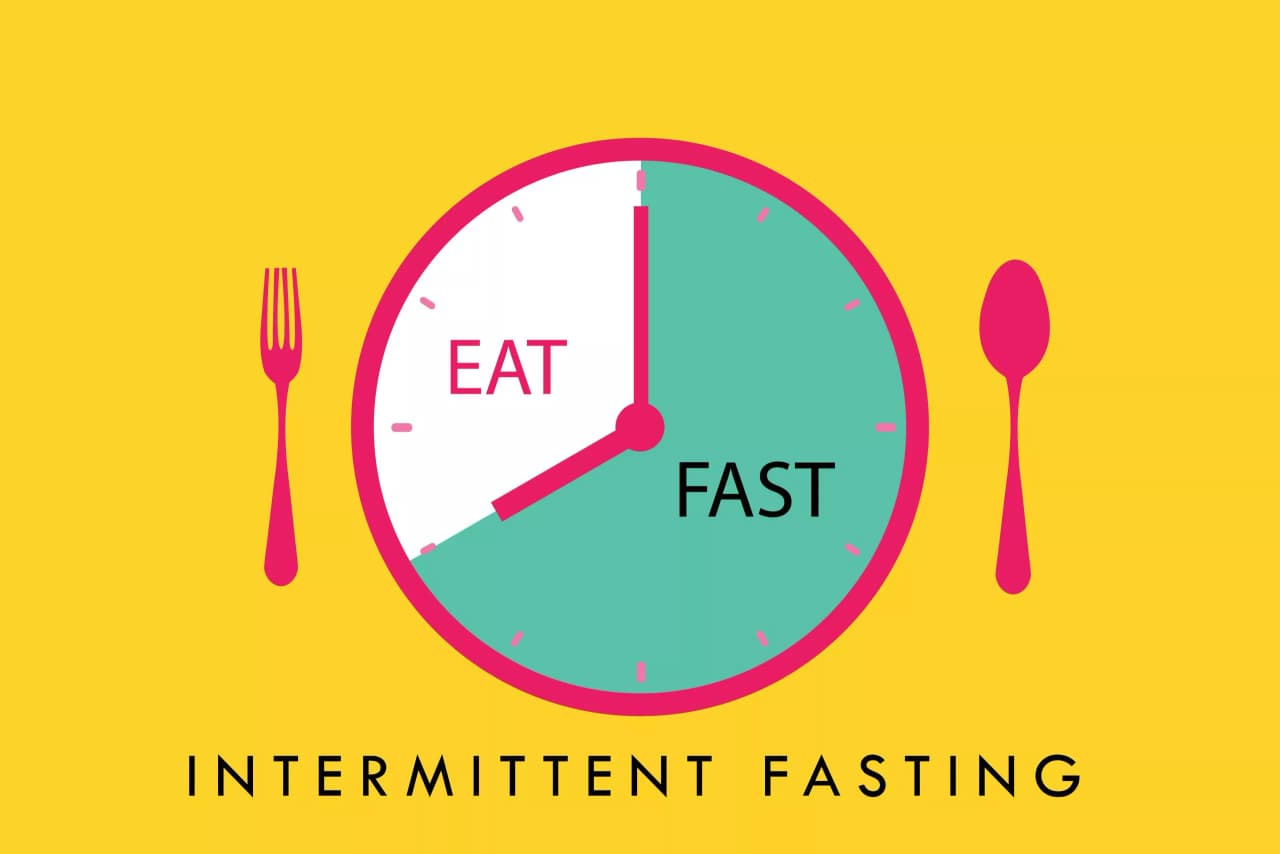
Intermittent fasting has evolved from a niche wellness practice into one of the most widely discussed nutrition strategies in the world.
Over the last decade, it has gained immense popularity for its potential benefits, from fat loss and improved blood sugar regulation to metabolic flexibility and healthy aging. In a world where we’re constantly looking for ways to simplify our lives, fasting can seem like the perfect solution: fewer meals to plan, fewer food decisions to make, and often, some encouraging changes on the weighing scale.
But, as I often tell my clients, just because something works well for one person doesn’t automatically mean it will work well for everyone.
Today, almost everything we need is available at the tap of a screen. Food arrives within minutes, entertainment is endless, and answers are instantaneous. We’ve become accustomed to living in a world where convenience is expected and results are desired quickly. Unfortunately, we’ve also started approaching health with the same mindset. We chase quick fixes, rapid transformations, and shortcuts to wellness. Somewhere along the way, skipping breakfast became a badge of health consciousness.
While intermittent fasting may be beneficial for some individuals, it is important to ask whether it is supporting your body, your hormones, and your long-term health. This question becomes even more important when we talk about women, particularly those already navigating thyroid dysfunction, hormonal fluctuations, chronic stress, demanding careers, household responsibilities, and caregiving roles.
Your Thyroid Doesn’t Work in Isolation
Many people think of the thyroid as a gland that simply controls metabolism. In reality, it is part of a highly interconnected network involving the brain, adrenal glands, reproductive hormones, blood sugar regulation, nutrient status, and energy production.
Your thyroid plays a critical role in determining how every cell in your body produces and utilizes energy. To perform this job effectively, it requires a steady supply of calories, amino acids, and key nutrients such as iron, selenium, zinc, iodine, and vitamin A. This is something I frequently discuss with women who are following aggressive fasting protocols. If you are eating only two meals a day, which is very common with intermittent fasting, you need to ensure that your daily nutrient requirements are still being met. Unfortunately, many women unintentionally reduce not just calories but also protein, iron, and other essential nutrients when they shorten their eating window.
Another important layer to consider is how the body interprets prolonged periods without food. Your body does not always recognize fasting as a wellness strategy. Sometimes, it interprets it as a potential threat to survival. When energy availability appears uncertain, the body may shift into a conservation mode. One way it does this is by slowing the conversion of inactive thyroid hormone T4 into active thyroid hormone T3, which helps regulate metabolism and energy production. From an evolutionary perspective, this makes perfect sense. When resources appear scarce, the body becomes more efficient with the energy it has.
Women are already constantly adapting to changing circumstances, whether it is hormonal shifts, emotional stress, career demands, family responsibilities, or caregiving roles. When aggressive fasting is layered on top of these existing stressors, it can sometimes create additional strain rather than support healing.
Iron status deserves special attention here. Iron is not only essential for oxygen transport and healthy red blood cell production, but it also plays a crucial role in thyroid hormone synthesis and the conversion of T4 into T3. In practice, it is not uncommon to see women with low ferritin levels experiencing symptoms that look remarkably similar to thyroid dysfunction, including fatigue, hair fall, poor concentration, brain fog, cold intolerance, and low energy.
When fasting is combined with inadequate calorie intake, low protein consumption, poor sleep, intense exercise, chronic work stress, or existing hormonal imbalances, women may experience increased fatigue, brain fog, worsening hair fall, poor exercise recovery, mood changes, and stubborn weight-loss plateaus despite doing everything right.
This does not mean fasting is entirely responsible for thyroid problems. However, when fasting is added to a system that is already under stress or dealing with nutrient deficiencies and hormonal imbalances, it may amplify symptoms that are already present.
The Blood Sugar and Thyroid Connection
Another important mechanism worth considering is blood sugar regulation.
Many women, particularly as they age, already experience some degree of impaired glucose handling due to chronic stress, poor sleep, sedentary lifestyles, or diets heavily reliant on refined carbohydrates. Thyroid hormones influence how efficiently cells utilize glucose, how insulin functions, and how energy is produced at a cellular level.
When fasting is introduced into a system that is already struggling to maintain stable blood sugar levels, symptoms can appear quickly. Women often report feeling shaky, irritable, anxious, lightheaded, unable to focus, or constantly hungry. Others experience intense cravings later in the day, leading to overeating and creating a cycle of restriction followed by compensation.
It is important to remember that this is not a lack of discipline or willpower. The body is remarkably intelligent. When energy intake becomes unpredictable, biological mechanisms increase the drive to seek food. The body is simply trying to ensure survival. This is why context matters far more than trends.
What the Research Says
A 2025 study published in the European Journal of Endocrinology investigated the effects of short-term energy restriction in 19 healthy young women with normal thyroid function. Participants followed both an energy-balanced diet and a calorie-deficient diet providing approximately 55 percent fewer calories for five days each.
Interestingly, even over this relatively short period, researchers observed reductions in T3 and TSH levels, alongside an increase in reverse T3, a less metabolically active form of thyroid hormone. These changes occurred despite the participants being healthy and having no underlying thyroid disease. The authors concluded that the thyroid axis adapts rapidly to reduced energy availability, likely as an energy conservation mechanism.
These findings do not suggest that intermittent fasting causes hypothyroidism. However, they reinforce an important principle that I often share with clients: your thyroid is highly responsive to perceived energy availability.
Practical Considerations for Women with Thyroid Dysfunction
1. Focus on Building Better Meals Rather Than Eliminating Them
One of the biggest mistakes I see is people trying to lose weight by simply eating less frequently. In reality, satiety is influenced not just by quantity but also by meal composition. Instead of skipping meals, focus on creating meals that contain adequate protein, fibre-rich vegetables, healthy fats, and quality carbohydrates.
For example, a simple plate of dal and rice may leave you hungry soon afterward. But adding a generous salad, vegetables, and a protein source such as tempeh, tofu, edamame or legumes can dramatically improve satiety. Sometimes, sustainable weight loss comes not from eating less food, but from eating more strategically.
2. Consider a Gentle 12-Hour Overnight Fast
For many women, especially those dealing with thyroid dysfunction, blood sugar instability, chronic stress, or hormonal imbalances, a simple 12-hour overnight fasting window can be a more sustainable place to start. Finishing dinner by 7:30 PM and having breakfast around 7:30 AM naturally gives the digestive system a period of rest without creating excessive stress on the body.
This approach is often easier to maintain than extended fasting windows and still allows you to support digestion, blood sugar balance, and overall metabolic health while meeting your nutritional needs.
3. Add Movement Before You Chase Perfection
Many people assume exercise needs to be intense or complicated to be effective. In reality, consistency matters far more than complexity. A simple strategy is to set a five-minute timer and choose two exercises you enjoy. Alternate between them until the timer ends. Five minutes may not sound impressive, but it lowers the barrier to starting and helps build momentum. Small actions, repeated consistently, create powerful results over time.
4. Work with a Functional Medicine Practitioner
If you are struggling with thyroid symptoms, fatigue, weight changes, hair fall, or hormonal imbalances, working with a functional medicine practitioner can help you look beyond the diagnosis and understand the root causes contributing to your symptoms. Factors such as nutrient deficiencies, gut health imbalances, chronic stress, poor sleep, blood sugar dysregulation, and inflammation can all influence thyroid function and overall well-being.
A functional medicine approach focuses on understanding your unique health history, lifestyle, and nutritional status to create a personalized plan that supports healing. The goal is not just to manage symptoms but to improve energy, hormone balance, metabolic health, and long-term resilience.
The Bottomline
Intermittent fasting can be a useful tool for some women, but it is not the only path to better health. If fasting leaves you feeling exhausted, irritable, constantly hungry, or struggling with worsening thyroid symptoms, it may be worth reconsidering your approach. Health is not about how long you can go without food. It is about creating an environment where your body feels nourished, supported, and able to function at its best. Sometimes, the most effective strategy is not the most restrictive one, but the one that your body can sustain comfortably for years to come.
Let’s chat in the comments below, or book a root-cause discovery call with me to map out a personalized strategy as per your health goals