
A few years ago, if someone complained of acidity, bloating, or frequent burping, the advice was usually simple.
“Don’t eat spicy food.” “Have some antacid.” “Your digestion is weak.”
And to be honest, many people are still following the same advice today.
What fascinates me is how common digestive discomfort has become. We’ve normalized carrying antacids in our bags, keeping digestive tablets in our kitchen drawers, and blaming every symptom on stress or outside food. The burning sensation after meals, bloating that makes your stomach feel stretched by evening, constant burping, and heaviness that lingers for hours after eating. But sometimes there’s a deeper reason behind these symptoms, one that many people have never even heard of.
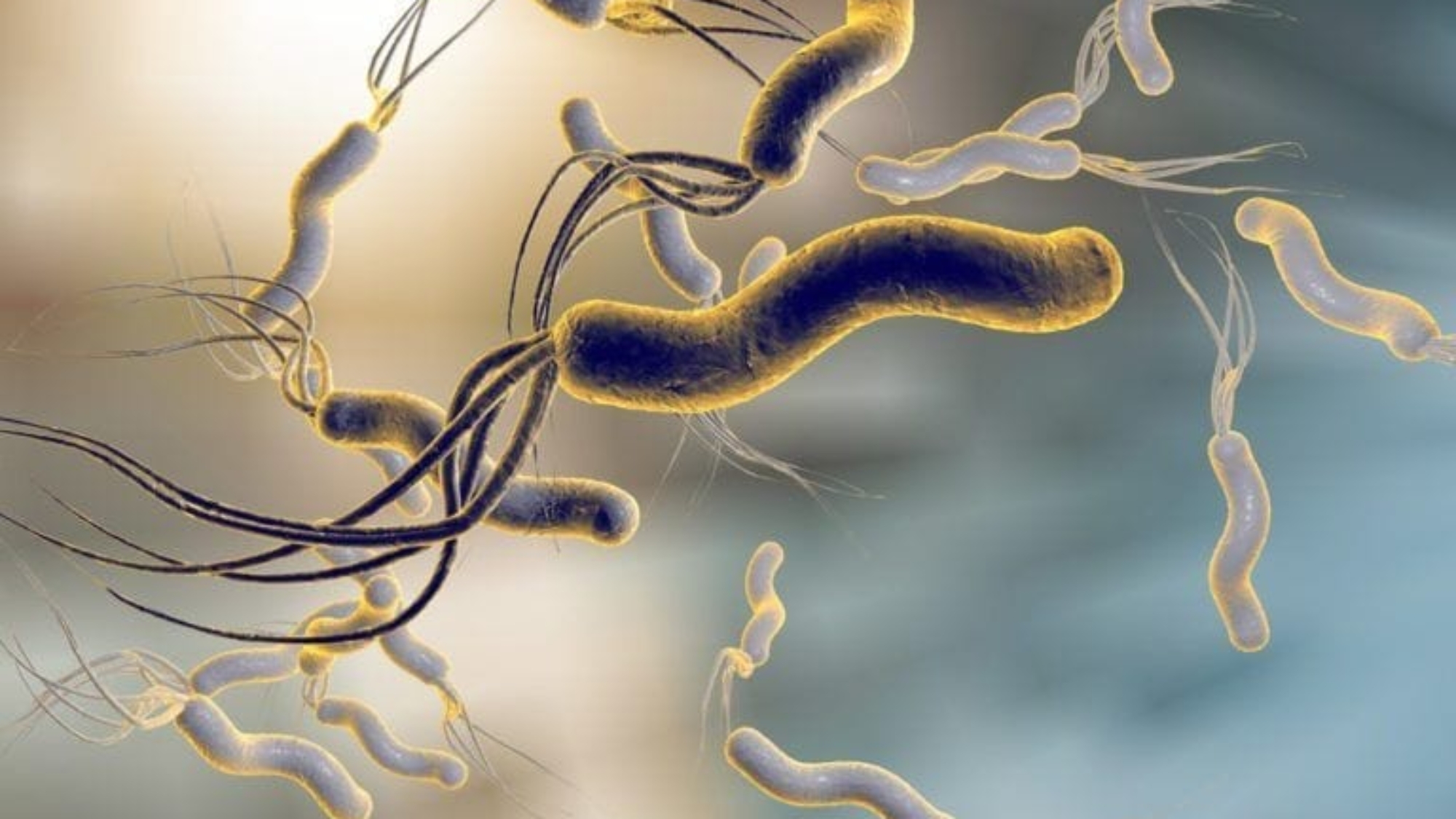
That reason is Helicobacter pylori, more commonly known as H. pylori. Despite affecting a significant portion of the global population, H. pylori remain relatively unknown outside medical and nutrition circles. Many individuals live with it for years without realizing that a bacterium may be contributing to their digestive complaints.
In this article, I want to shift the conversation away from simply “killing the bacteria” and focus on something equally important: creating an internal environment that supports healing. Because while treatment matters, what you eat every day also matters.
What exactly is H. pylori?
Before we label H. pylori as the villain, there’s something important to understand.
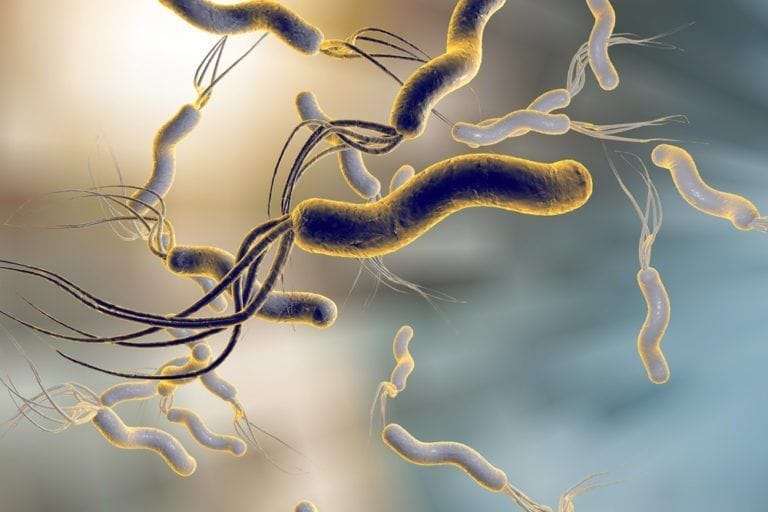
Helicobacter pylori (H. pylori) is a spiral-shaped bacterium that has coexisted with humans for thousands of years. In fact, nearly half of the world’s population carries it, yet many people never develop symptoms. So, simply having H. pylori isn’t always the problem.
Interestingly, when H. pylori exist in small numbers and remains in balance with the rest of the stomach environment, it has beneficial roles. It contributes to immune system development, the regulation of stomach acidity, and the production of hormones such as ghrelin, which influences appetite and energy balance. This may explain why millions of people carry the bacteria throughout their lives without experiencing any digestive complaints.
The trouble begins when that balance is lost.
Factors such as chronic stress, a diet consisting of ultra-processed foods, smoking, excessive alcohol intake, frequent use of acid-suppressing medications like proton pump inhibitors (PPIs), repeated courses of antibiotics, poor sanitation, or anything that weakens the stomach’s protective mucus layer can create an environment where H. pylori begins to multiply beyond the body’s ability to control it.
As its numbers increase, the bacteria gradually damage the stomach’s protective lining, allowing inflammation to build over time. This process is usually slow and silent, which is why many people initially dismiss symptoms like bloating, nausea, frequent burping, a bitter taste in the mouth, early fullness, heaviness after meals, or persistent acidity as “just poor digestion.”
But what often appears to be a sudden digestive problem is, in reality, the result of an imbalance that may have been developing quietly for months or even years. Left unaddressed, this chronic inflammation can progress to gastritis, peptic ulcers, impaired absorption of nutrients such as iron and vitamin B12, and, in some individuals, increase the risk of more serious gastric complications.
What Happens Inside the Gut?
One of the biggest misconceptions I encounter is that H. pylori is only a stomach problem. In reality, its effects often extend far beyond the stomach. When inflammation develops within the stomach lining, digestion can become less efficient, leading to nausea, loss of appetite, stomach pain, and an unusual taste. Food may remain in the stomach longer than it should. Protein digestion may become compromised. Nutrient absorption may begin to suffer. This becomes particularly important because the stomach is the first major step in the digestive process. When that step is impaired, the consequences can ripple throughout the entire digestive system. Over time, some individuals may begin experiencing symptoms like fatigue, brain fog, hair loss, poor concentration, reduced exercise recovery, and low energy levels.
Research has shown associations between H. pylori infection and lower levels of nutrients such as iron and vitamin B12 in certain individuals. This is one reason why addressing the digestive environment becomes so important, rather than focusing solely on symptom management.
The Antibiotics Part No One Talks About
I want to be very clear about something: antibiotics absolutely have a place in H. pylori treatment. In many cases, they can successfully eradicate the bacteria. However, where the conversation becomes dangerously incomplete is what happens afterward. Many clients complete their grueling antibiotic course, receive a negative test result, and yet continue to suffer from chronic digestive symptoms. Worse, a few months later, they experience a full-blown relapse.
Why does this happen?
Because killing a pathogen and rebuilding an ecosystem are two completely different things. Antibiotics may reduce H. pylori, but they act like a carpet bomb, wiping out the beneficial gut microbes that act as your primary defense system. Studies show that antibiotic therapy slashes microbial diversity and alters the balance of good gut organisms. So, when you finish treatment and fail to fix the damaged, inflamed stomach environment, you leave the door wide open. If you do not rebuild the gut lining, lower stress, and remove inflammatory foods, the terrain remains broken. The next time you are exposed to H. pylori, or if a tiny fraction of the original bacteria survives, it bounces back with a vengeance.
But this time, it is much worse. The bacteria have evolved.
Just as humans adapt to survive, bacteria are masters of evolution. When exposed to antibiotics without the host’s terrain being fundamentally healed, H. pylori mutates. It develops mechanisms to pump the medication out of its cells or shield itself entirely, becoming resistant to the treatment.
This is the cycle of antibiotic resistance. When H. pylori mutate, the standard medications stop working. This is exactly how people get trapped on a medical merry-go-round, taking round after round of harsher drugs, destroying their microbiome while never truly finding relief. That is why I always say and believe: “All disease begins in the gut, and the cure must begin in the gut, too.” You cannot just kill the bad; you must change the environment so the bad can no longer survive.
How I Focus on Improving the Gut Terrain
When I work with someone diagnosed with H. pylori, our conversations don’t begin with supplements. They begin with understanding what the stomach needs to heal.
I often ask people to imagine a scrape on their skin. You wouldn’t expect it to heal if it were being irritated every few hours. An inflamed stomach lining works in much the same way. Every meal can either calm that inflammation or add to it.
That’s why my nutritional approach isn’t centered around “starving” or “killing” the bacteria with food. Diet alone cannot eradicate H. pylori. Instead, my goal is to reduce irritation, support the stomach’s protective mucus layer, improve digestion, and create an internal environment that complements medical treatment and allows the tissue to repair.
Foods I Temporarily Eliminate
One of the first things I discuss with my clients is that healing isn’t only about adding the right foods; it also means reducing the things that keep irritating an already inflamed stomach.
During the initial phase of healing, I often recommend temporarily reducing foods that either promote inflammation or trigger digestive symptoms. This isn’t because these foods “cause” H. pylori, but because they can make it much harder for an already damaged stomach lining to repair itself.
For many individuals, this means taking a short break from gluten, dairy, raw vegetables, highly acidic foods, excessive chili and spices, processed foods, and, where appropriate, foods such as corn and peanuts if they consistently aggravate symptoms. Raw vegetables, despite being nutritious, demand more mechanical digestion and may feel uncomfortable when the stomach lining is inflamed. Highly processed foods contribute very little nutritionally while often promoting systemic inflammation, and heavily spiced or acidic meals can further irritate an already sensitive gastric mucosa.
I also encourage clients to temporarily avoid common triggers such as coffee, strong tea, alcohol, aerated beverages, and energy drinks. Caffeine and carbonated drinks can aggravate symptoms like acidity, excessive burping, and bloating, while alcohol directly irritates the stomach lining and slows the healing process. The goal is simply to give the stomach a period of calm so it can begin rebuilding its protective mucus barrier.
Foods I Encourage
Once we’ve reduced the constant irritation, the next step is providing the body with the nutrients it needs to repair.
I encourage plenty of gently cooked or steamed vegetables such as spinach, carrots, pumpkin, okra, beetroot, and sweet potatoes. I usually prefer them steamed because steaming softens the tough plant fibers (cellulose), allowing your body to more easily absorb their generous amounts of beta-carotene and vitamin A, which support the regeneration of the stomach lining.
Colorful berries such as blueberries, raspberries, cranberries, our own Indian gooseberry (amla), kiwi, and sweet lime are another staple. They’re naturally rich in polyphenols, anthocyanins, and vitamin C. Clinical studies show this specific plant compounds prevent H. pylori from being able to physically glue itself to your stomach wall. These foods act like a natural “Teflon coating” for your stomach, forcing the bacteria to slip off and be flushed out. Amla (gooseberry) is especially critical because its high vitamin C content provides the raw material needed to rebuild gastric collagen and heal micro-ulcers.
Herbs and spices also deserve a place at the table, but the right ones. Carom seeds can help ease nausea, bloating, and delayed stomach emptying, while turmeric provides curcumin, a well-studied compound known for its anti-inflammatory properties. I also like incorporating saunf in small amounts for its supportive role in digestion and gut health. Meanwhile, fresh ginger is a potent natural prokinetic; it helps move food smoothly out of the stomach and into the small intestine, preventing the painful post-meal heaviness, fermenting gas, and bloating that H. pylori cause.
Pomegranate juice, high-quality green tea, and alkalized pure cacao powder also deserve a place in the diet. These act as natural antimicrobials that suppress the enzyme (urease) that H. pylori use to neutralize your stomach acid.
Healthy fats are equally important. Extra virgin olive oil, coconut oil, avocado, walnuts, pumpkin seeds, hemp hearts, flaxseeds, and chia seeds provide essential fatty acids and polyphenols that help support cell membrane integrity and tissue repair while contributing to a less inflammatory internal environment.
No single food can eliminate H. pylori. But when we consistently remove the foods that irritate the stomach and replace them with foods that nourish, repair, and support the gut lining, we create an environment where healing becomes much more possible.
CALMING THE NERVOUS SYSTEM
I can design the most nutrient-dense meal plan and recommend the right supplements, but if someone is living in a constant state of stress, healing often becomes much slower than it needs to be. Hence, the approach has always been holistic because I see the whole body, not just the symptoms.
Digestion is one of the first functions the body downregulates when it perceives stress. Instead of investing its energy in breaking down food and repairing the stomach lining, the body shifts its priority toward survival. Over time, this can influence digestive secretions, slow tissue repair, alter immune function within the gut, and make it harder for the stomach to recover from ongoing inflammation.
This is why I spend just as much time talking about the nervous system as I do talk about nutrition.
One practice I frequently recommend is something called Box Breathing. Before your meal, take 10 minutes to inhale for four seconds, hold for four seconds, exhale slowly for four seconds, and pause again for four seconds. Repeat this for three or four rounds.
It may seem surprisingly simple, but this brief pause helps activate the body’s “rest and digest” response through the vagus nerve. Many of my clients notice they eat more mindfully, digest their meals more comfortably, and feel less bloated when they make this small ritual part of their day. I also encourage Bhramari Pranayama (the humming bee breath). The gentle humming creates soothing vibrations around the face and throat while promoting slower, deeper breathing. Many people find that it helps quiet a busy mind and brings a greater sense of calm before eating.
Another habit I value is stepping outside for 10–15 minutes of morning sunlight soon after waking. Morning light helps regulate our circadian rhythm, supports healthy cortisol patterns, and often improves sleep quality, an important but frequently overlooked pillar of gut repair.
For those who enjoy mindfulness or spiritual practices, meditation, gratitude, and journaling can also become meaningful parts of the healing journey. While these practices are not treatments for H. pylori itself, they may help reduce perceived stress and cultivate a greater sense of emotional well-being, which can positively influence the gut-brain connection.
Sometimes, supporting your gut isn’t about adding another supplement.
Sometimes, it’s about reminding your body that it’s finally safe enough to heal.
The Bottom Line
Recovery from H. pylori does not begin and ends with a prescription. In reality, healing is often a much longer process.
The bacteria may be eliminated within weeks. The digestive system may require months to fully recover. This is why I encourage clients to think beyond eradication and focus on restoration.
Support the stomach lining.
Rebuild microbial diversity.
Prioritize nutrient-dense foods.
Reduce unnecessary irritation.
Give the body the raw materials it needs to repair itself. Because the ultimate goal isn’t simply testing negative for H. pylori. The goal is creating a digestive system that feels resilient, comfortable, and capable of supporting long-term health.
If you really want to heal the root cause of your health, let’s chat in the comments below or book a root-cause discovery call with me to map out a personalized strategy for your gut health.