
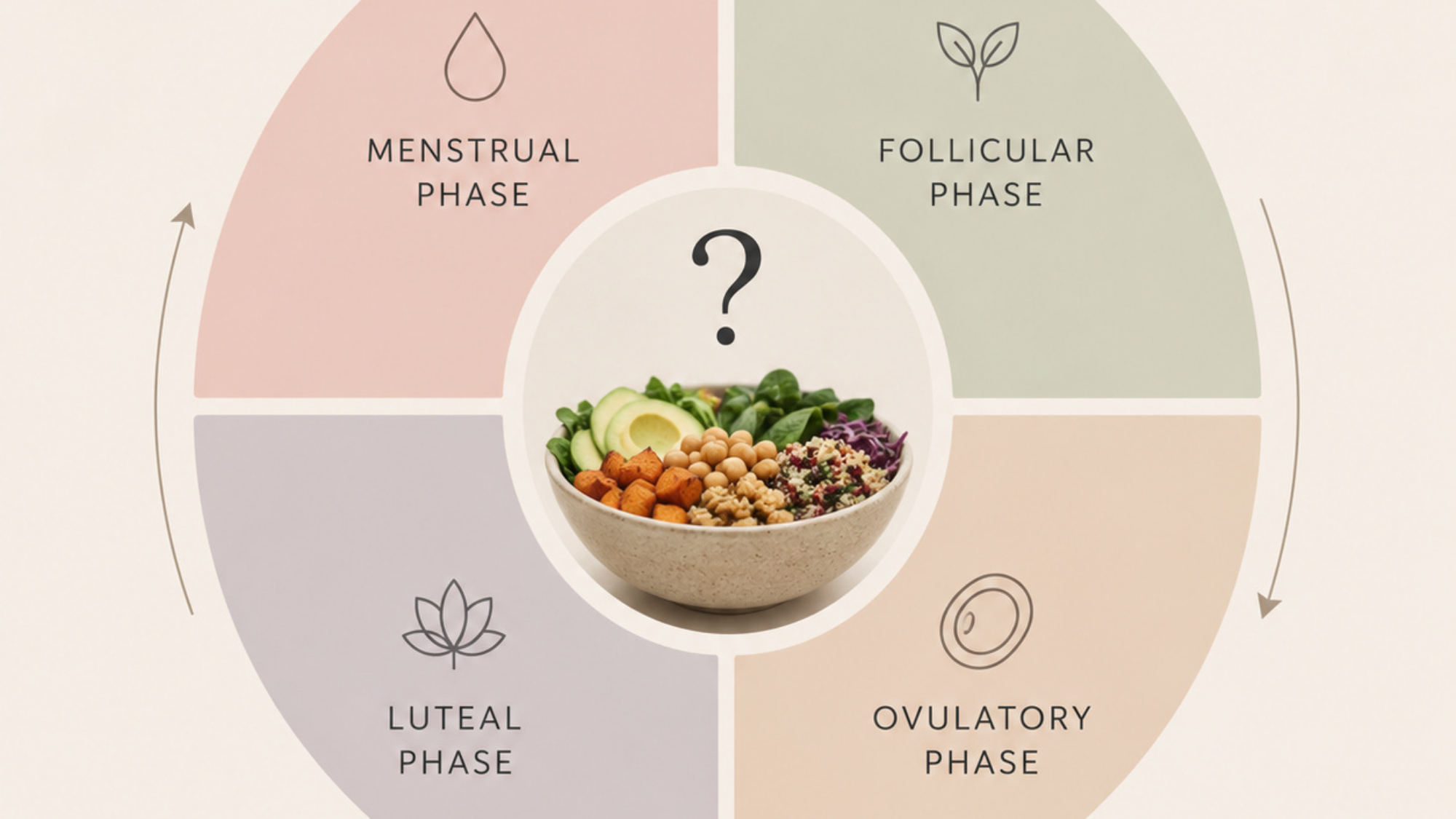
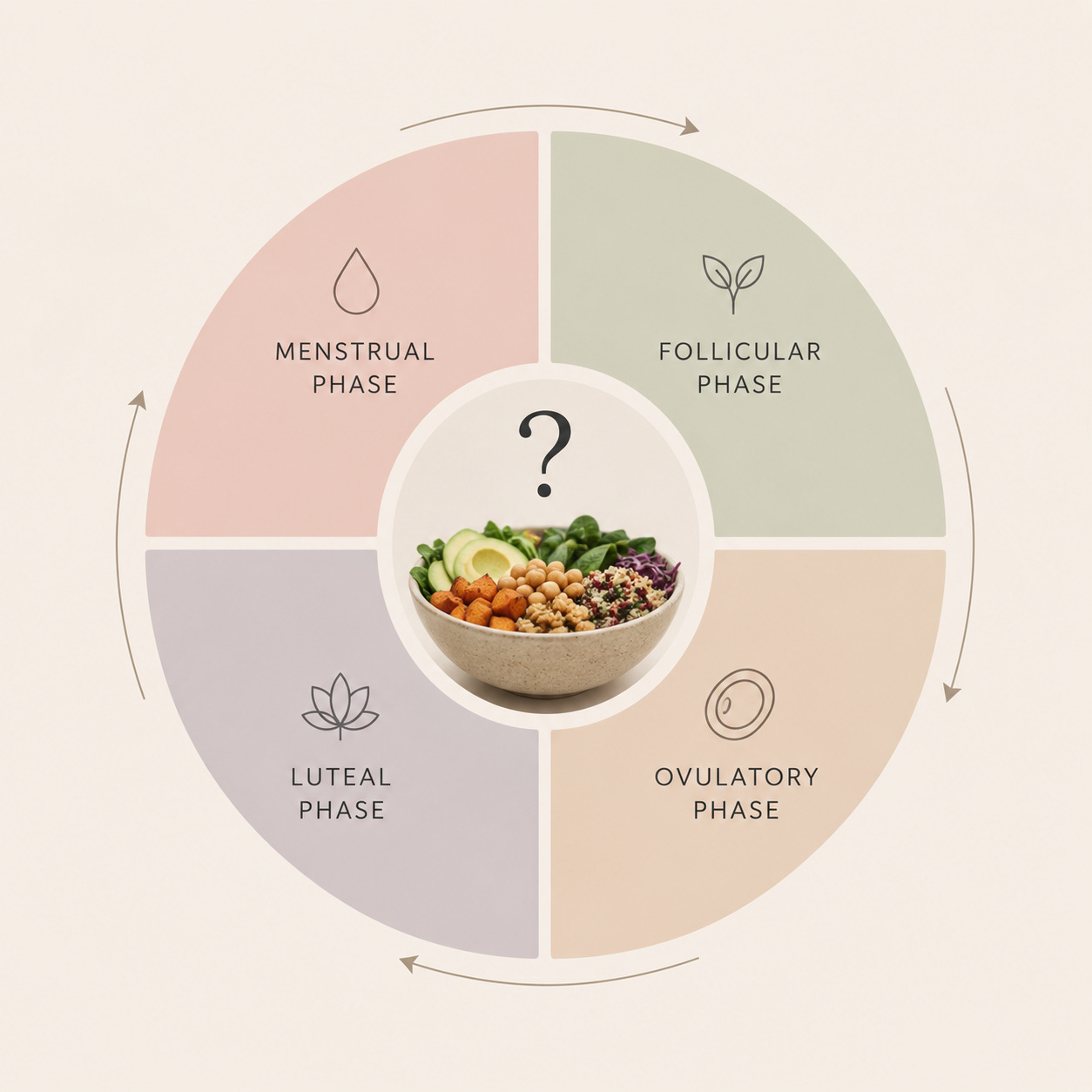
Let’s be real for a minute, women are expected to show up to work, hit the gym, and socialise at 100% capacity every single day of the year. But our biology operates on a completely different timeline. Men’s hormones reset every 24 hours, while women’s fluctuate across an intricate monthly cycle.
If you also find yourself feeling like a completely different person from one week to the next, you aren’t alone. You’re simply experiencing the natural rhythm of your hormones.
In the mainstream wellness world, we’re often told that painful cramps, overwhelming fatigue, mood swings, bloating, breast tenderness and uncontrollable sugar cravings are “just part of PMSing.” While some fluctuations are completely normal, symptoms that repeatedly interfere with your work, relationships, workouts, sleep, or overall quality of life deserve attention rather than dismissal.
So I’m here to tell you that your menstrual cycle isn’t something you have to fight every month. It’s valuable feedback from your body. Learning to nourish yourself according to the changing hormonal demands of each phase won’t eliminate every symptom overnight, but it can support more stable energy, better mood, fewer cravings, improved recovery, and a more comfortable cycle. Through this article, I want to help you understand how small, intentional changes in your nutrition can work with your hormones instead of against them.
Food Strategies to Maintain Energy Throughout Your Cycle
You might be wondering, “What can I do if I don’t want to rely only on painkillers or medication to feel better? Well, the answer lies in using food as medicine to support your natural rhythm
Rather than dramatically changing your diet every week, I recommend building your meals around whole foods while making small adjustments that match your body’s changing needs.
So let’s dive into what each phase looks like hormonally, and uncover exactly how to feed your body during each unique shift.
Phase 1 : Menstrual Phase (Days 1–5)
Your menstrual phase marks the beginning of your new cycle. Here, both estrogen and progesterone fall sharply, signalling the uterus to shed its lining. This hormonal shift is accompanied by the release of compounds called prostaglandins, which help the uterus contract and expel its lining. While these contractions are necessary, excessive prostaglandins can also contribute to cramps, headaches, nausea, and even digestive symptoms.
In fact, many women notice changes in their bowel habits during their period. Research has shown that gastrointestinal symptoms such as diarrhea, constipation, bloating, abdominal discomfort, and nausea are common around menstruation, largely because prostaglandins don’t act only on the uterus they can also influence the muscles of the digestive tract. This is why many of my female clients experience loose stools, while others feel constipated during the first few days of their cycle.
Since you’re menstruating during this phase, it’s important to prioritize iron-rich foods such as spinach, red masoor dal, quinoa, red kidney beans, tofu, and garden cress seeds (halim seeds). Pair them with vitamin C-rich foods like amla, oranges, kiwi, strawberries, guava to enhance iron absorption. Including naturally sweet, nutrient-dense foods such as pomegranate, banana, and sweet potato can also help replenish antioxidants, provide steady energy and curb the sugar cravings. Since a lot of uterine contractions and cramps occur, eat magnesium rich foods like pumpkin seeds, 70% dark chocolate, hemp hearts, chia seeds, quinoa. If you experience bloating and hormonal shifts during this phase, staying well hydrated and including potassium-rich foods such as coconut water, boiled sweet potatoes, pumpkin, and leafy greens can help support fluid balance. Warm soups, vegetable broths, herbal teas, are often gentler on the digestive system, making this a time to nourish your body rather than restrict it.
Phase 2: Follicular Phase (Days 6–13)
If you’ve ever noticed that there are certain days of the month when you wake up feeling lighter, more motivated, and surprisingly productive, this phase is often the reason why.
Once your period ends, your body gradually shifts its focus from shedding the uterine lining to preparing for the possibility of another pregnancy. Estrogen slowly begins to rise, encouraging a new ovarian follicle to mature. But estrogen doesn’t just influence reproduction, it also affects your brain, muscles, bones, skin, and metabolism. As these levels increase, many women naturally notice better concentration, improved mood, steadier energy, and greater motivation to exercise or be productive. It’s almost as though your body is gently saying, “Okay, I’m ready to build again.”
This is also the phase when many women become more insulin sensitive, meaning the body is generally better at handling carbohydrates and using them efficiently for energy. While every woman is different, this is commonly the time when they feel most like themselves.
From a nutrition perspective, I like to think of this phase as an opportunity to nourish and rebuild. During this specific phase, your body’s carbohydrate oxidation is at its highest, meaning you naturally burn carbs more efficiently for fuel. To support this metabolic shift, I like to slightly increase carbohydrate intake to make up a slightly higher portion of the daily plate with wholesome, clean sources like idli, dosa, quinoa, rice, lentils, millets. Alongside these, a serving of legumes, tofu, tempeh, and healthy fats such as nuts, seeds, and avocado. This is also a wonderful time to include fermented foods like homemade plant-based curd, fermented vegetables, or kimchi if you tolerate them well. A healthy gut plays an important role in estrogen metabolism, and supporting your gut microbiome can help your body regulate hormones more efficiently throughout the rest of your cycle.
Rather than trying to eat less, use this phase to build a strong nutritional foundation. The nourishment you give your body now doesn’t just support this week, it prepares you for the hormonal shifts that are yet to come later in the cycle.
Phase 3 :Ovulatory Phase (Around Days 14–16)
In this phase you genuinely feel like you’re thriving. Estrogen reaches its highest level, triggering a surge in luteinizing hormone (LH), which signals the ovary to release a mature egg. During this time, it’s common to feel more energetic, mentally sharp, confident, and even more social. Many women notice that their workouts feel stronger, recovery is quicker, and motivation comes more naturally.
But here’s something we don’t talk about enough, ovulation is actually an inflammatory event. While inflammation often gets a bad reputation, not all inflammation is harmful. The release of an egg is a carefully regulated inflammatory process that a body is designed to handle. However, just like any process that increases metabolic activity, it also generates oxidative stress. That’s one of the reasons why this phase benefits from a diet rich in antioxidants and anti-inflammatory nutrients.
This is the perfect time to continue prioritizing high-quality protein to support muscle recovery and hormone production. Build your meals around colourful vegetables, berries, citrus fruits, tomatoes, nuts, seeds, and healthy fats such as avocado and extra virgin olive oil. Cruciferous vegetables like broccoli, cauliflower, cabbage, and Brussels sprouts are especially critical during this phase. They contain a powerful compound called Diindolylmethane (DIM), which supports the liver in safely breaking down and flushing out excess estrogen. Right now, estrogen levels need to start dropping gradually to make room for progesterone till we hit the luteal phase. If estrogen remains high even in the luteal phase, it can delay menstruation and trigger severe estrogen dominance symptoms like intense mood swings, painful bloating, and heavy periods. To aid this process, lean on foods naturally rich in zinc and selenium, including pumpkin seeds, chickpeas, legumes, and Brazil nuts. Hydration deserves special attention during this phase as well because it supports circulation, nutrient transport, temperature regulation, and overall cellular function. So include ajwain or fennel seeds water, dandelion tea, coconut water when appropriate, and water-rich fruits like water chestnuts, oranges, plum, kiwi, celery, cucumber to help meet their hydration needs.
Phase 4: Luteal Phase (Days 15–28)
This is the phase where I see the most frustration among my clients. One week ago, they felt motivated, energetic, and in control. Suddenly, they’re craving chocolate, feeling bloated, clothes feel tighter, workouts feel harder, and even the smallest inconvenience makes one emotional.
After ovulation, progesterone becomes the dominant hormone while estrogen begins to decline gradually. Progesterone has a naturally calming effect on the nervous system, but as both hormones start declining in the days leading up to your period, many women notice mood changes, fatigue, breast tenderness, constipation, bloating, and increased appetite. Interestingly, research also suggests that fat oxidation increases slightly during the late luteal phase, which means your body may genuinely require a little more support of good fats. So if you’re feeling hungrier than usual, that isn’t a lack of discipline or willpower, it’s physiology.
This phase is also vital for supporting progesterone, the hormone that keeps you calm and stabilizes your uterine lining. Incorporating saffron water, soaked black raisins, sesame seeds,sunflower seeds, basil seeds water, provides the essential nutrients your body needs to manufacture progesterone naturally. To curb the sugar cravings include foods like bananas, 70% dark chocolate and alkalized cacao, as they aid muscle relaxation and calm the nervous system. Finally, minimizing processed, high-sodium foods will help reduce bloating and keep you feeling your best. To reduce bloating during the luteal phase, apply a castor oil patch on your navel overnight, which relies on ricinoleic acid and heat to relax abdominal muscles and ease trapped gas. For concurrent breast tenderness, try gently massaging with evening primrose oil along with a few drops of castor oil. This natural oil contains gamma-linolenic acid (GLA), an anti-inflammatory fatty acid that helps balance hormone sensitivities in breast tissue.
During this phase, don’t fight your body, just observe it as a third person, let it pass through you. Your hormones are asking for rest, not punishment or any questions.
The Bottom Line
Your menstrual cycle isn’t something that needs fixing, it’s something worth understanding. Learning how your hormones influence your appetite, energy, mood, and recovery allows you to make more informed decisions instead of blaming yourself for feeling “off.”
You don’t need a completely different diet every week. Sometimes, a few thoughtful adjustments in your meals, movement, and recovery are enough to help your body feel supported throughout the month.
If you’re struggling with painful periods, severe PMS, irregular cycles, persistent fatigue, or hormonal imbalances, remember that these symptoms deserve attention. Understanding the root cause is always more powerful than simply masking the symptoms.
Let’s chat in the comments below, or book a root-cause discovery call with me to create a personalized nutrition and lifestyle plan that works with your hormones, not against them.