
In my practice, a massive part of my day revolves around handling clients who are completely consumed by the chase for fat loss. For so many people, life completely revolves around the scale, the size of their clothes, and the constant mental exhaustion of trying to shrink their bodies. Nowadays, it is worse than ever. We are bombarded by dramatic celebrity transformations, overnight shifts, botox, and an endless stream of miracle supplements. It creates this intense, desperate urge for a quick fix. Lately, my inbox has been flooded with screenshots of Instagram posts and TikTok videos sent by clients, all circling around one new buzzy word, GLP-1. Listening to this new term thrown around online, people have started viewing GLP-1 not just as a medical concept, but as a new way to show up in society, a literal status symbol of the wellness elite. And you know what? I get it. I truly, deeply understand why my clients think this way. When you have spent your entire life struggling with one painful, exhausting concern, battling your appetite, and feeling uncomfortable in your skin, of course you are going to jump at a solution. If a magic eraser finally exists, why not use it? It makes complete sense to want that relief.
But as a functional nutritionist, I want to invite you to step away from the social media noise for a moment. Today, I am going to tell you exactly what GLP-1 actually is, how the famous weight-loss drugs work, why changing your biochemistry without changing your mindset will always fail, and most importantly how you can naturally increase this hormone using real food and nutrition
What exactly is GLP-1?
To understand how to support your metabolism, we need to understand what GLP-1 actually is. GLP-1 stands for Glucagon-Like Peptide-1. Don’t let the clinical name intimidate you, in simple terms, it is a peptide hormone produced primarily by specialized cells (called L-cells) in the lining of your lower intestines. Think of GLP-1 as your gut’s built-in satiety megaphone.
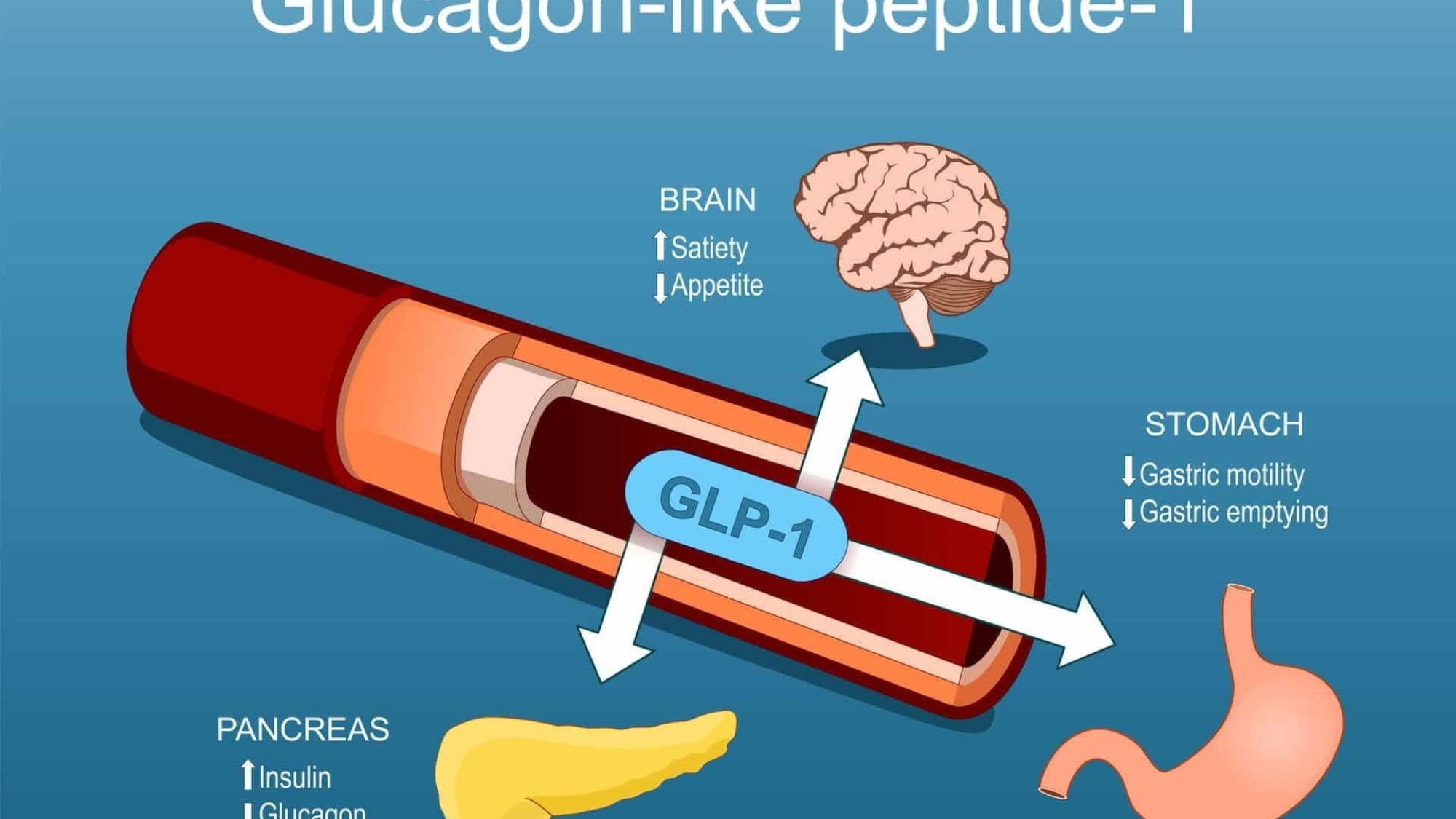
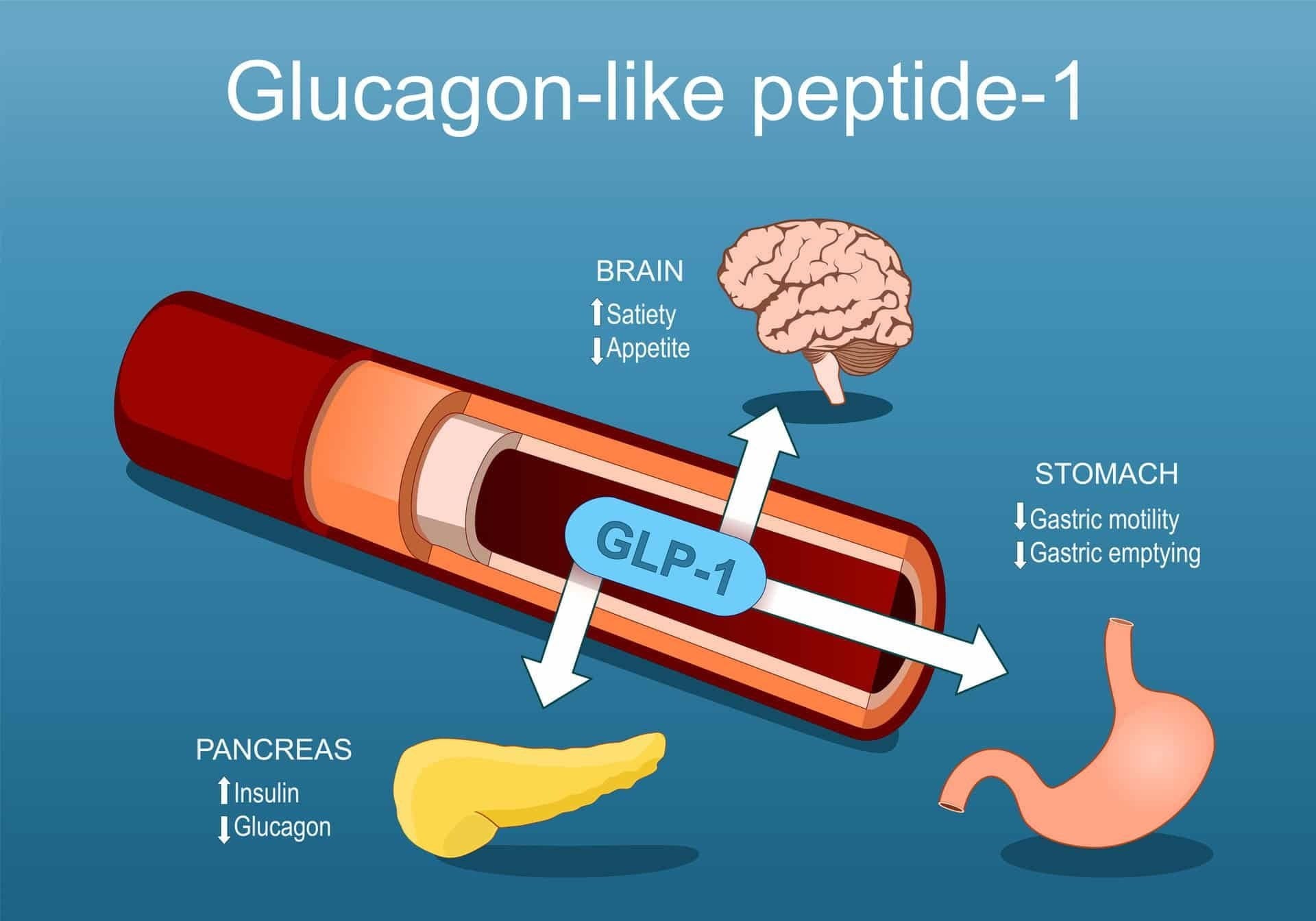
When you eat a meal, food travels down your digestive conveyor belt. As nutrients come into contact with your lower digestive tract, your L-cells sense them and immediately pick up the megaphone to broadcast a message to the rest of your body. First, it signals your pancreas to release insulin efficiently, which helps manage your blood sugar levels. Second, it communicates directly with your brain’s hypothalamus to say, “We are nourished, we have plenty of fuel, & we can stop hunting for food now.” Finally, it slows down gastric emptying, meaning it keeps food in your stomach just a little bit longer, so you feel physically full and satisfied for hours after a meal. It is a highly intelligent, natural feedback loop designed to prevent overeating and keep your energy stable. All this works in a rhythm in normal conditions, but what happens when this megaphone gets muffled?
When the gut cells fail to secrete enough GLP-1, or if the body loses its sensitivity to it, the consequences to your daily life are immediate. The brain never receives that “stop eating” notification, causing constant carbohydrate cravings, and a lingering sense of hunger even after you’ve just finished a full meal. That’s because your gastric emptying speeds up and your pancreas misses its cue to release insulin efficiently, your blood sugar spikes aggressively after eating and we all know what goes up drastically, crashes down dramatically. This roller coaster leaves you feeling chronically fatigued, physically unfulfilled, and biologically trapped in a cycle of fat storage
How Ozempic and Mounjaro Mimic Your System
Because GLP-1 is incredibly effective at regulating appetite and blood sugar, pharmaceutical companies engineered medications to copy it. Drugs like Ozempic and Wegovy (semaglutide) are known as GLP-1 receptor agonists meaning they are molecular copycats designed to bind to your body’s GLP-1 receptors. However, there is a major difference between the hormone your gut makes and the medication, your natural GLP-1 has a half-life of only a few minutes before an enzyme breaks it down, whereas these medications are chemically altered to circulate in your bloodstream for an entire week at vastly higher doses.
Mounjaro and Zepbound (tirzepatide) take this process a step further. They don’t just mimic GLP-1, they are dual-acting peptides that target both GLP-1 and GIP (Gastric Inhibitory Polypeptide), creating an even more aggressive double-signal to the brain to suppress hunger. These medications cause you to lose fat by dramatically turning down the constant, intrusive mental alarm, telling you to snack or eat. Because your stomach stays full significantly longer and your brain constantly receives a signal, you naturally eat far fewer calories, leading to rapid weight and fat loss.
The Missing Link: Why Biochemistry Fails Without a Mindset Shift
This brings us to a harsh but necessary truth that I share with every client –
If you change your biochemistry without transforming your mindset, nothing will work in the long run.
While medications forcefully alter physical hunger cues, they cannot heal your emotional relationship with food. Initially, clients enter a “honeymoon phase” where appetite is quietened, fat loss happens, and relief sets in. But a psychological breaking point inevitably arrives. They realize medication can mute their appetite, but it cannot quiet the chronic stress, trauma, cortisol, or emotional exhaustion driving them to seek comfort in food. Relying solely on an external tool to block your body’s signals is simply putting tape over your car’s warning light.
Eventually, clinical data catches up to what I witness firsthand. In the landmark STEP 1 trial extension study, researchers tracked participants for a full year after stopping semaglutide. The results confirmed exactly what I troubleshooted in my daily practice. Within one year of stopping the medication, participants regained a staggering two-thirds of the weight they lost. When the underlying mental environment, daily habits, and core relationship with food do not evolve, the weight returns, leaving you facing defeat. True metabolic freedom never comes from forcing your physiology into submission; it only happens when we work together to align your mindset and nervous system with your biology.
How does GLP1 affect the gut lining?
Keeping a healthy mindset is just one aspect, but I want to tell you that GLP-1 meds are doing no good even to the gut lining. First, they target the smooth muscles of the stomach triggering delayed gastric emptying and severely slowing transit time across the entire gastrointestinal tract. This prolonged stagnation fundamentally disrupts our internal ecosystem, causing vital, health-promoting bacterial strains to dramatically diminish. Because the gut environment becomes stagnant and deprived of diverse fiber, essential strains like Bifidobacterium and short-chain fatty acid-producing bacteria begin to die off, taking our natural gut resilience with them. Instead of the lightness and vibrant energy you expect from losing weight, you start to feel incredibly heavy, causing a severe slowdown that leaves you trapped with agonizing constipation, constant bloating, and trapped gas. This further disrupts your gut bacterial diversity, and this prolonged lack of motility creates a perfect storm for Small Intestinal Bacterial Overgrowth (SIBO). Because the natural sweeping waves of the gut are paralyzed, bacteria are allowed to sit, ferment, and multiply in the small intestine where they simply do not belong.
A clinical data published in the American Journal of Gastroenterology confirms this exact risk, tracking a distinct association between GLP-1 receptor agonist use and the development of diagnostically confirmed SIBO. By altering the gut’s immune environment and mucosal integrity, these medications trade your long-term metabolic health and digestive function for immediate weight loss.
The Food-First Approach: Natural Ways to Optimize Your GLP-1 Production
If you want to step away from synthetic intervention and naturally amplify your body’s own GLP-1 production, the solution lies right on your plate. Here’s how I use functional nutrition to trigger the intestinal L-cells to release this hormone naturally, safely, and gently.
First, I introduce fermentable, soluble fiber. I guide clients to eat gluten-free rolled oats, sabja seeds, flaxseeds, lentils, and beetroot or rice kanji so their gut microbes can feast. When bacteria ferment these fibers, they produce short-chain fatty acids (SCFAs) like acetate, propionate, and butyrate. Clinical studies prove these SCFAs acts like molecular keys, binding directly to receptors on our L-cells and triggering native GLP-1 release.
Next, I teach my clients the “Protein-First” principle. I emphasize starting meals with high-quality proteins like tofu, edamame, hemp hearts, or adding fermented yeast protein into roti dough or dals. As protein breaks down into amino acids and oligopeptides, it stimulates nutrient-sensing receptors in the lower gut. This creates an immediate, natural release of satiety hormones that slows down gastric emptying without synthetic chemicals.
However, after months of forceful appetite suppression, many clients fear eating normally. They panic over a nourishing plate, driving them to chronically starve their bodies or cut out vital nutrients. I show them that aggressively restricting carbohydrates stresses the metabolism, drops thyroid function, and blunts their natural GLP-1 response. Introducing low-GI, complex carbohydrates like boiled sweet potatoes, quinoa, buckwheat, foxtail millet, and ragi stabilizes blood sugar. Pairing these complex carbs with protein prevents sharp spikes and allows L-cells to release GLP-1 in a steady, controlled manner.
Restructuring the plate is only half the battle; calming the nervous system is non-negotiable. If a client sits at the table gripped by anxiety, their body enters a “fight-or-flight” response. Clinical research confirms that when stress deprives the gut of blood flow, intestinal L-cells literally shut down, paralyzing GLP-1 production. Simple practices like deep, diaphragmatic breathwork or box breathing before meals activate the vagus nerve. Shifting into a “rest-and-digest” state lowers cortisol, restores GI blood flow, and signals safety to the brain.
Lastly, I incorporate polyphenol-rich, bitter foods and healthy fats like dark chocolate (70-85%+), green tea, dandelion tea, and extra virgin coconut or olive oil. These foods wake up deep, hidden gut receptors, triggering a cellular cascade that gives the metabolism a natural nudge. By changing how they build their meals, I help my clients reclaim control of their metabolic signaling from the inside out.
The Bottom Line: Your Journey Back to Connection
At the end of the day, your body is constantly communicating with you through your physical system and the everyday environment you create for it. Your metabolism is not a math problem to be solved with restriction or synthetic suppression; it is a living, breathing biofeedback loop that craves balance. If you have been feeling disconnected from your body, or if you’ve been searching for a quick fix to quiet the noise, please hold space for yourself and practice self-compassion. Real, lasting health begins when we stop trying to overpower our biology and instead start nourishing it with curiosity, real food, and a mindful, supportive internal dialogue.
Let’s chat in the comments, share our stories, and explore your next gentle steps toward true metabolic harmony together.