Types of Meditation
Is there anyone who does not have any kind of stress at all? Clearly not. The crazy busy life we lead today and our self-inflicted pressure and competition make our mind race at a speed that is not quite apt for our healthy existence but regular practice of meditation can help cope up with these pressures. It leads you to discover a sense of calmness, mental peace and makes one more aware of their actions, thoughts and speech.
But which is the most effective type of meditation? The answer is there isn’t one best technique. It depends on individual preference and what works the best for you. Here’s a breakdown of some of the popular types of meditation.
Guided meditation: In this type of meditation, usually a teacher or an expert guides you to imagine or focus on a particular subject through a detailed and beautiful explanation which refreshes us as we distract our mind from worrisome thoughts to what we are being told to focus on. This slows our racing mind and helps centre ourselves. It could be in person or even via a recording, application etc. This technique is most suited for beginners.
Unguided/ mindful meditation: This technique just involves sitting in one calm room/corner and focusing on how the mind works, recognizing the thoughts without judging them and coming back to the object of meditation, such as breath. This self-knowledge helps to overcome impatience and distractions. It has been known to reduce depression, stress, anxiety and help you cope up with difficult situations in life with utmost calmness.
Movement meditation: This is a good choice for people who find it troublesome to sit still for even a few minutes. It encourages one to focus on the body in motion. This type of meditation can be associated with yoga or any form of martial arts. It is aimed at strengthening the nervous system, thus helps cope up better with everyday stress. It also helps to form some form of physical discipline. However, we must take time for ‘Savasana’ aka corpse/ relaxation pose to relieve the body tension and unwind.
Focused meditation: This is the basis of living a healthy life. In this kind of meditation, we fairly focus exactly on the thing that we are doing at the moment– a complete opposite of multitasking. Jumping around various thoughts and activities leads to a scattered mind and dissatisfaction. A musician, athlete and a craftsman would not be who they are if they were not connected to the present. For instance, if you are eating, you must focus on sensations in your mouth, gulping the food down and with practice you will rediscover the joy of being in present.
Visualisation meditation: This technique invites you to visualise a particular image in your mind. Simply close your eyes and imagine a beautiful scenery, water body or sunsets or any other visualization that speaks to you. Some people consider it to be an escape from the chaos as it brings a sense of peace via mental activity and uses the creative aspect of mind for positive transformation.
Chanting meditation: Here, the idea is to focus and quiet your mind with the sound of the words of the mantra. The subtle vibrations of the mantra can encourage a peaceful yet alert state of mind- increased self-confidence and compassion. ‘Om’ is one common word used for chanting meditation.
Reflection meditation: This kind of meditation process enables you to better recognize our thoughts, values, emotions and beliefs and their reality. The technique invites you to ask within questions such as,” what are you most grateful for?” However, the focus here must be on the feelings and not the thoughts attached to it.
Whichever form of meditation you choose, committing to regular meditation practice is sure to offer you holistic health benefits. A few minutes a day is all you need for the rest of the day to be a fantastic one.
HOW TO EAT MINDFULLY!!
Mindful Eating
“You cannot control everything in life, but you definitely can control what you feed your body.”
In current times, our busy lives have made mealtimes rushed affairs. Often, we are eating while commuting to work, or at the desk, or on the couch with mobile in one hand and eyes on the Television. We gulp down food, regardless of whether we’re still hungry or not.
Mindful eating is maintaining an in-the-moment awareness and focus on your experience at mealtimes. The concept of mindful eating is more about how to eat rather than what or how much you are eating. It is to focus all your senses and being present as you shop, cook, serve, and eat your food.
Here are some actionable ways to practice this way of eating.
- Breathe before you eat
Just before you pick a fruit or a bar to savour on or sit on your dining table for a meal, its important to slow down and breath. Most of the time we are fogged up with our thoughts and our daily chores which puts more in a fight and flight mode rather than a rest and digest mode. To be able to digest and assimilate our food well we need to calm down and allow our brain to perceive the food in front of us so that it can signal our digestive system to initiate the digestion process and connect with our food in a more deeper way.
- Chew thoroughly and enjoy your meals without distraction
Everything seems to have been sped up – on the go breakfast or quick lunch in between a meeting has become a part of our culture. Because of this food ends up entering the stomach barely chewed and can cause digestive distress like bloating, constipation etc.
Slowing down the process of eating allows you to be in present and truly assess – If you are still hungry or just mindlessly eating?
It’s important to slow down the pace of your eating. Consciously experience – the tastes, texture, look and smell which together contribute to the experience of eating.
The more we chew our food, the more time the brain has to communicate with the stomach, release acids and enzymes and eventually pass the satiety signal.
- Trust your hunger cues
Your hunger cues are your body’s way of telling you that it requires energy. Instead of eating calorie guided scheduled meals or eating by the clock, mindful eating helps you determine hunger cues and eat in response to that to satiate yourself rather than satisfy your situational or environmental triggers. This will help you improve your relationship with food and cope up with boredom, stressed and emotional eating.
- Strike a balance between foods that nourish you and satisfy you
Providing the body with essential nutrients for various functions is important. But besides fuelling our body, food is also about connection, pleasure, culture, celebrations and fun. It is absolutely normal to want and enjoy the taste of something that is not specifically nutrient-dense.
Find foods that are nutrient-dense as well as you enjoy and also don’t feel guilty for enjoying foods that you like but aren’t as nutritious.
- Express gratitude and journaling
When you sit down to eat – express gratitude for what all you have. The more you appreciate, the more in-the-moment you will be with your choices.
Journaling can help you resolve mindlessness over time. Just start by noting down your relationship with various foods, struggles and feelings after eating them and see where your mind takes you. It also helps to measure your progress in a tangible manner.
- Self Check-In
By checking on self before and after meals, you can become self-aware and determine if you are hungry or full, relaxed or stressed and also understand why is it that you are eating. Before and after eating, always take a moment and ask yourself, “How do you feel?”. By doing so, you will develop a habit of being mindful of your eating habits.
The perfect doesn’t exist. For those practising mindful eating for years may also give in sometimes but that totally okay. It makes you think and realise that if you weren’t eating mindfully then why were you eating only? And this learning and its reflections on situations help you understand yourself better and also improve your digestion and make a positive significant influence in your life.
SKIN DEEP!!
SKIN DEEP!!
Healthy, supple, smooth skin is a dream for most people. But it’s super easy to fulfil this dream. The more natural and wholesome you eat, the better your skin gets. Here are a few skin-friendly tips which you may want to try!!
#1 Fruits & vegetables are a storehouse of vitamins and minerals. Vitamin A-rich foods such as papaya, peaches, carrots, green leafy vegetables etc. increase resistance against infections & support skin growth.
#2 Vitamin C rich foods such as lime juice, amla, oranges, sweet lime, guava, spinach etc. help in collagen synthesis, a protein that holds the skin cells together, promoting clear skin and a fresh complexion.
#3 Vegetable juices are a fantastic option to provide vitamins and minerals to the skin as they are directly absorbed into the bloodstream and also keep you hydrated throughout.
#4 Sprouts are wonder foods concentrated in essential nutrients. They are called ‘live foods’ as they contain enzymes that help in better digestion and absorption of proteins, necessary to maintain skin texture.
#5 Tomatoes are rich in lycopene- an antioxidant that protects the skin from internal damage.
#6 Flaxseeds, walnuts, chia are all excellent sources of omega 3 fatty acids that reduce skin inflammation and improve skin texture.
#7 Nuts and seeds like almonds, pistas, pumpkin seeds, sesame seeds are rich in vitamin E, which increase blood flow to the skin, making it smooth and supple.
#9 Excess tea/coffee dehydrates the skin & interferes with the absorption of nutrients adding to the dead, dull and dry look. Avoid it! Instead consume green tea which is an excellent antioxidant & skin rejuvenator.
#10 Avoid processed, refined or ready to eat foods as they contain preservatives and chemicals which add on to your skin woes.
#11 Limit the intake of alcohol as it provides nothing but empty calories, leaching away the essential oils from your body.
#12 Lastly, exercise regularly to improve blood flow throughout the body and improve skin oxygenation.
After all, ’Beauty comes from within’!
TOP 6 WINTER FOODS
TOP 6 WINTER FOODS
Winter is an official binging time for people. To make your winters less sinful, here I am back with some superfoods to be incorporated in your diet – making you super healthy during this pleasant season. Let’s start with some sweet!
SWEET POTATOES:
· Famously known as Shakarkand or Rathaalu on the streets of India, is a great winter-time snack.
· Contains vitamin A, potassium and is a high source of fibre, which helps you feel warmer.
· Regular intake builds immunity, minimizes inflammation and cures indigestion.
DATES:
· Highly nutritious fruit and a must-eat for fitness freaks as it is filled with natural sugars.
· Helps in maintaining your body weight by preventing silly sugar cravings.
· Regular intake during winters benefits your body, adding warmth to your body.
WALNUTS:
· Rich in vitamin E, which increases blood flow to the skin, making it smooth and supple.
· It is an excellent source of antioxidant to protect you from all cold-related issues.
· Regular intake keeps your nervous system and brain active – gifting you a healthy heart and body!
BAJRA / MILLET:
· Contains abundant fiber and minerals.
· Its high iron content is known to cure Anaemia.
· Regular intake during winter season makes your bones stronger.
FRESH TURMERIC:
· Haldi is very famous in India as a home remedy for cold and flu.
· It’s a natural antiseptic and anti-inflammatory spice which fights cold and cough and is useful for dry and painful cough.
· Regular intake helps in repairing body cells during heavy winters.
RED CARROTS:
· Fully packed with beta-carotene carrots and rich in vitamin A.
· Can be consumed in the form of soup or stew keeping yourself away from cold and flu.
· Regular intake during winters protects you from infections and supports skin repair.
NON-DIET FAT LOSS TIPS
While we talk about fat loss, we only look at food as the solution, but many times the problem may not be the food but other factors which are discussed below!! Here are a few ways in which you can speed up your fat loss process.
NEVER SWALLOW AIR
I know it’s a bit of odd advice to give, but swallowed air is one of the leading causes of bloating.
· Avoid aerated drinks: Since they fill your stomach with air causing an enough bloating to irritate you
· Avoid smoking: Smokers generally tend to swallow the smoke, resulting in bloated bellies.
· Avoid bubble gum. It bloats you as well thanks to the extra air we take in while chewing the gum.
· Avoid talking during eating. It leads you indigestion and air swallowing.
ENJOY YOUR FOOD SLOWLY
When you eat quickly, you swallow a huge amount of food before you realise you are full. Whereas, slow-eating gives you more time to realise that you’re full so that you can avoid over-eating.
· Chew each bite 20 – 30 times.
· Set a timer for about 20 minutes before starting your meal. Pace yourself so that you don’t have the last bite till the timer turns off.
EAT PEACEFULLY
Eating with a busy mind can cause over-consumption of food. It can also cause weight gain as when we are unable to focus correctly on our food, our body does not produce digestive juices the way it should. Whereas, consuming food in peace and sanity can help digest and absorb your food better.
SLEEP DEEP
Different body types need a varied amount of sleep. Adults need about 7 to 9 hours of sleep per night. Whereas, Kids need 10 to 12 hrs of sound sleep or even more. Proper sleep boosts up your entire weight loss journey. When your body doesn’t get enough amount of rest, it becomes difficult to feel motivated to get up and lead your day with happiness and confidence. You also tend to consume more junk food due to irregular sleeping patterns.
MAINTAIN A FOOD JOURNAL.
· Noting what you eat every day can help you eventually understand where you are going wrong and what are your wrong food habits, timings or choices.
· It is an excellent way to self introspect and be mindful about what you choose to put in your mouth every time you eat.
· Keep a diary or make notes on your phone and at the end of the week, make a note of all the wrong things you ate during the whole week according to you, and make sure you do not repeat it in the coming week.
FIBER THE SILENT HERO
Every new food product in the market and every food advertisement on TV, paper, media etc. emphasize one thing in common, that is FIBER. This word has gained so much importance in the last few years that people, even without knowing what exactly it does to your body; want to purchase products which contain fibre. But that’s a good thing as fibre is like the precious gem amongst all the other food components, especially in the junk age we are living in and are lured by so many taste bud stimulating but unhealthy options. It is a savior, especially for diabetics with the most desirable impact on blood sugar levels.
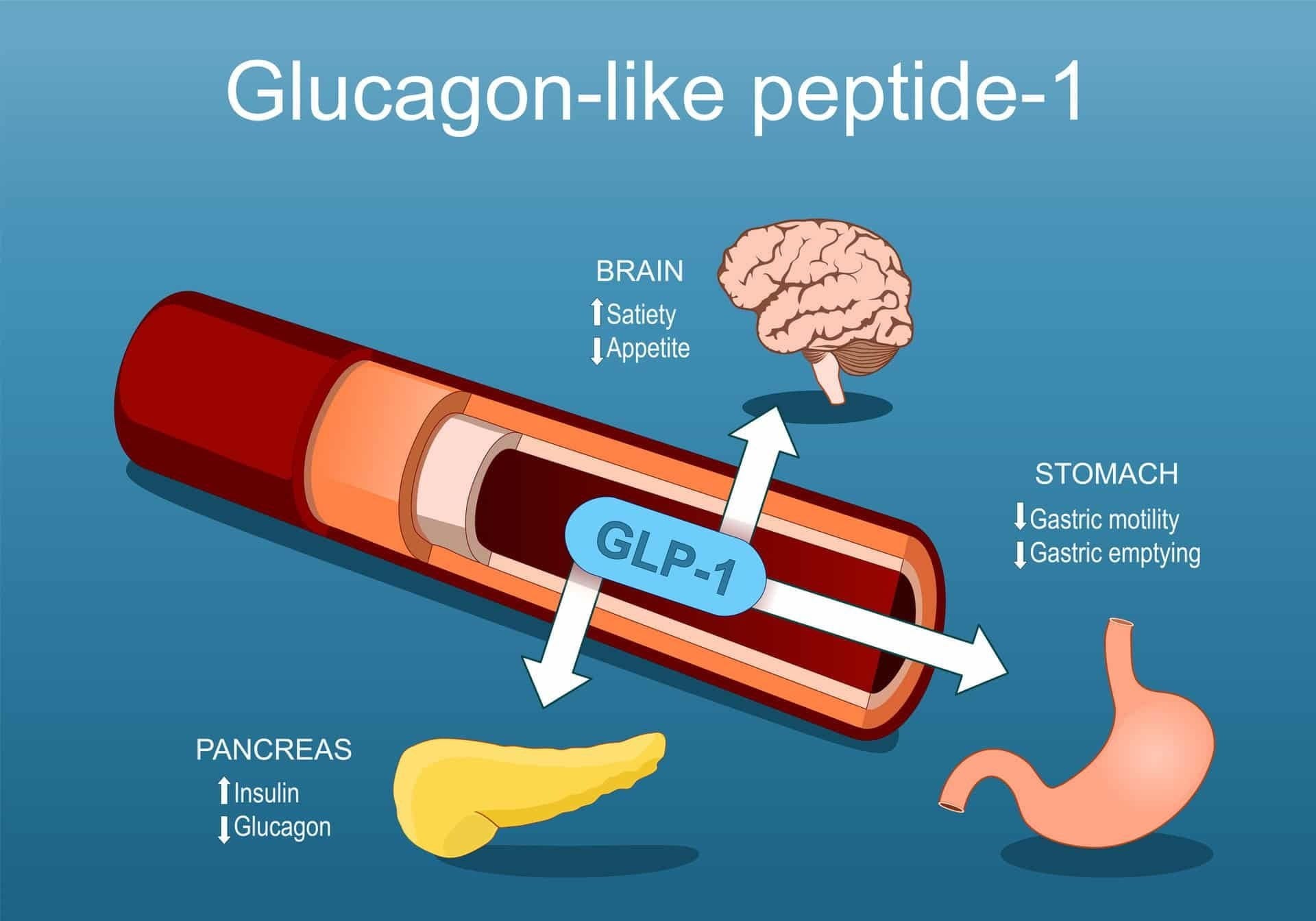
Fibre is a non-nutrient nutrient with a twist. Yes, it does not have calories and is not digested by the digestive system, unlike other nutrients like proteins, fats and carbs. This would make you wonder, then why do we need it? Basically, fibre slows down the digestion of food in the stomach, which helps to release the glucose (after the breakdown of carbohydrates) in the bloodstream slowly preventing the glucose spike in the blood. This slow release of glucose signals the pancreas to release insulin slowly in the bloodstream, which is needed for the uptake of sugar by the cells. In a typical low-fibre meal, the blood glucose levels spike up telling the pancreas to release too much insulin which a person with diabetes cannot handle as they are resistant to insulin. A study published in the Journal of the American Board of the Family medicine states that involving fibre supplementation for type 2 diabetes mellitus can reduce fasting blood glucose and HbA1c. Fibre also keeps you full for a longer time as it slows down digestion, reducing the hunger pangs usually experienced in diabetes.
Apart from these benefits, fibre also helps to clear the bowels by preventing constipation, aids in weight loss, reduce cholesterol levels by absorbing and excreting the excess cholesterol thereby preventing heart problems and reducing the risk of cancers by eliminating the carcinogenic toxins from the system.
Adults need to consume 25-35gm fibre/day through fruits like apples, pears, papaya, guava etc, vegetables like carrots, cucumbers, broccoli, bell peppers, etc, whole grains like oats, millets, barley, brown rice, quinoa and legumes like chickpeas, rajma, beans, sprouts etc.
Beware of all the unhealthy fibre rich foods the junk food industry tries to sell us like biscuits, bread, pasta, crackers etc. as these surely are rich in fibre but are also loaded wtih health compromising fatsm sugars, fillers and additives.
So un-tick the junk foods from your list and replace them with natural fibre-rich options to have a healthier control on your blood sugars as well your weight!
LOSE WEIGHT THE RIGHT WAY!!
LOSE WEIGHT THE RIGHT WAY
There is only one thing we feel happy about losing, and that is WEIGHT… Sadly, the glamour industry has glorified a slim body in such a way that everyone thinks of being sizes smaller and all want it quick and overnight and that is what hampers their health and causes more problem than anything else. Fad diets, starving, high protein diets, meal replacements etc. are all ways which people resort to, to shed that extra flab not knowing, how badly these methods affect their organs, blood, hormones and overall wellbeing. No wonder why people who are on guaranteed weight loss programmes also lose their hair, muscle, vitality, libido and charm.
The truth remains that there is no shortcut to weight loss other than correct food and consistent movement or an active lifestyle. Everything else is a gimmick.
So the best way to lose weight is to EAT THE RIGHT FOOD AT THE RIGHT TIME in sync with your body. By this I mean just like we sleep at night, wake up in the morning and do all our chores at a specific time of the day, the body also has a clock which works internally and does certain functions at a particular time every day, and for that, it needs the right fuel.
· From 4 am-12 pm our body predominantly cleanses so foods like fruits, herbal teas and juices can help you with energy and the cleansing process.
· From 12 pm-8 pm our predominantly builds itself, so foods like grains, pulses, nuts can do the magic
· From 8 pm-4 am our predominantly repairs and recovers, so here is when the body needs rest and sleep to do its work.
If we work in accordance with our body’s needs, we are less likely to add pounds on ourself and stay active and healthy. It is also imperative to listen to the messages the body is giving. Most of us tend to overeat in a hurry or worry and don’t realise when we are full. Once we chew our food well, we tend to eat less and absorb more nutrients reducing cravings and excess fat deposits in our flab.
Another important aspect of weight loss is regular activity which means exercising for a minimum of 45 minutes 4 days in a week at least. This helps in fat burning and improves blood circulation, providing all nutrients to your cells, controlling your appetite. Opt for any form of workout you enjoy and that is when your cells will react in the happiest way.
So before you are tempted into trying any fad diet, remember this, that you might weigh less on the scale, but you will lose on your beauty and health essential tissues such as muscles, hair, bones and water making you more vulnerable to weight gain very soon. Am sure you don’t really want to get there. DO YOU?
GOOD FOOD ALL ABOUT VEGGIES & FRUITS
Our planet earth is magnificent and blessed with beautiful nature all around. God was so kind when he designed this planet and made sure we get all the necessary nutrients from nature itself. And one such creation was fruits and vegetables which are a true powerhouse of all energy, vitamins and minerals your body needs to function at its best. They are readily available, cheaper than your processed fancy foods, convenient to carry and help you to prevent or overcome a host of health issues. That is the reason why you always heard your elders saying ‘Eat your fruits and veggies.’
WHY ARE THEY SO WONDERFUL??
Fruits and vegetables are whole natural foods which provide us with nutrients needed by our body in small amounts but play a significant role in maintaining our health at its best.
· Vitamin A: required for normal vision, good skin texture, prevent acne and pimples, normal growth and repair of the body.
Sources: Orange, ripe yellow/red fruits – papaya, watermelon, tomato, mango etc, leafy vegetables, carrots, pumpkin, spinach etc
· Vitamin B-complex: this includes a group of vitamins like B1, B2, B3, B6, B12 and folic acid which are required for utilizing carbohydrates and providing energy to the body, regulate fat metabolism, helps in Red blood cells production, prevent mouth ulcers etc.
Sources: vegetables like potatoes, sweet potato, carrot, beetroot etc. Vitamin C: is required for the protection of teeth, gums and bones. It strengthens the immune system and prevents the body from infections like common cold and flu. It also helps to form collagen, which is essential part of joints and bones.
Sources: kiwi, amla, guava, citrus fruits, capsicum and green leafy vegetables.
· Calcium: is needed for healthy teeth and bones, normal blood clotting, muscle contraction and nerve function.
Sources: bananas, broccoli, green leafy vegetables etc.
· Magnesium: is required for healthy bones, muscle and nerve function, converting blood sugar to energy, blood clotting, insulin secretion and for normal heart rhythms.
Sources: green leafy vegetables, banana etc.
· Potassium: along with sodium, works to regulate fluid in the body. Potassium also helps to maintain a regular heartbeat and low blood pressure and enables glucose in the body to be converted to glycogen, a storable form of energy.
Sources: bananas, tomatoes, oranges, sweetlime, pineapple and most of the fruits and green leafy veggies.
· Iron: is required for the production of haemoglobin, the component of red blood cells that transports oxygen around the body and myoglobin, which carries oxygen to our muscles. Iron can prevent fatigue, protect against illness and disease and helps in the absorption of vitamin C.
Sources: peas, green leady vegetables like spinach, methi, beet root etc.
· Copper: helps to form collagen, which is essential for healthy bones and connective tissue, production of red blood cells and is needed to absorb iron more efficiently, to prevent heart disease and high blood pressure and that it protects against damage from free radicals and the development of cancer.
Sources: potatoes, garlic, bananas, mushrooms, tomatoes, prunes etc.
How they protect our body:
· Weight loss: They are rich in fibre and low in calories which help to increase the feeling of fullness and prevent us from overeating. This helps in weight loss which is a significant problem among teenagers today.
· Prevent high cholesterol: The fibre in them helps to absorb the bad fat in your bloodstream and thereby protect you from developing a heart problem in the future.
· Control sugars: The fibre in them controls blood sugar levels as well. They slow the absorption of sugar in the blood, reducing the chances of a blood sugar spike.
· Prevent cancer: They are rich in antioxidants which help to fight against cancer causing cells thereby preventing the growth of tumour in the body.
· Improve immunity: The nutrients and antioxidants in fruits and veggies improve immunity and protect us from common infections like cold, cough, fever etc. and also help us fight against them better.
· Reduce pressure: Since they are low in sodium and high in potassium, they help reduce blood pressure, thereby preventing the risk of attack or stroke in later years.
· Improve skin and hair: They contain all the nutrients your skin and hair need to remain healthy. They improve skin texture, complexion, and hair growth, giving you lusciously long and healthy hair.
How much of them do you need?
According to the general rule, an adult needs to consume 3-4 serving of fruits and 4-5 servings of veggies/day to get their daily dose of vitamins and minerals. But the basic rule is never to mix your fruit and veggies. Always eat fruits on an empty stomach or mid meals but never with meals or after meals as desserts.
Our planet earth is magnificent and blessed with beautiful nature all around. God was so kind when he designed this planet and made sure we get all the necessary nutrients from nature itself. And one such creation was fruits and vegetables which are a true powerhouse of all energy, vitamins and minerals your body needs to function at its best. They are readily available, cheaper than your processed fancy foods, convenient to carry and help you to prevent or overcome a host of health issues. That is the reason why you always heard your elders saying ‘Eat your fruits and veggies.’
WHY ARE THEY SO WONDERFUL??
Fruits and vegetables are whole natural foods which provide us with nutrients needed by our body in small amounts but play a significant role in maintaining our health at its best.
· Vitamin A: required for normal vision, good skin texture, prevent acne and pimples, normal growth and repair of the body.
Sources: Orange, ripe yellow/red fruits – papaya, watermelon, tomato, mango etc, leafy vegetables, carrots, pumpkin, spinach etc
· Vitamin B-complex: this includes a group of vitamins like B1, B2, B3, B6, B12 and folic acid which are required for utilizing carbohydrates and providing energy to the body, regulate fat metabolism, helps in Red blood cells production, prevent mouth ulcers etc.
Sources: vegetables like potatoes, sweet potato, carrot, beetroot etc. Vitamin C: is required for the protection of teeth, gums and bones. It strengthens the immune system and prevents the body from infections like common cold and flu. It also helps to form collagen, which is essential part of joints and bones.
Sources: kiwi, amla, guava, citrus fruits, capsicum and green leafy vegetables.
· Calcium: is needed for healthy teeth and bones, normal blood clotting, muscle contraction and nerve function.
Sources: bananas, broccoli, green leafy vegetables etc.
· Magnesium: is required for healthy bones, muscle and nerve function, converting blood sugar to energy, blood clotting, insulin secretion and for normal heart rhythms.
Sources: green leafy vegetables, banana etc.
· Potassium: along with sodium, works to regulate fluid in the body. Potassium also helps to maintain a regular heartbeat and low blood pressure and enables glucose in the body to be converted to glycogen, a storable form of energy.
Sources: bananas, tomatoes, oranges, sweetlime, pineapple and most of the fruits and green leafy veggies.
· Iron: is required for the production of haemoglobin, the component of red blood cells that transports oxygen around the body and myoglobin, which carries oxygen to our muscles. Iron can prevent fatigue, protect against illness and disease and helps in the absorption of vitamin C.
Sources: peas, green leady vegetables like spinach, methi, beet root etc.
· Copper: helps to form collagen, which is essential for healthy bones and connective tissue, production of red blood cells and is needed to absorb iron more efficiently, to prevent heart disease and high blood pressure and that it protects against damage from free radicals and the development of cancer.
Sources: potatoes, garlic, bananas, mushrooms, tomatoes, prunes etc.
How they protect our body:
· Weight loss: They are rich in fibre and low in calories which help to increase the feeling of fullness and prevent us from overeating. This helps in weight loss which is a significant problem among teenagers today.
· Prevent high cholesterol: The fibre in them helps to absorb the bad fat in your bloodstream and thereby protect you from developing a heart problem in the future.
· Control sugars: The fibre in them controls blood sugar levels as well. They slow the absorption of sugar in the blood, reducing the chances of a blood sugar spike.
· Prevent cancer: They are rich in antioxidants which help to fight against cancer causing cells thereby preventing the growth of tumour in the body.
· Improve immunity: The nutrients and antioxidants in fruits and veggies improve immunity and protect us from common infections like cold, cough, fever etc. and also help us fight against them better.
· Reduce pressure: Since they are low in sodium and high in potassium, they help reduce blood pressure, thereby preventing the risk of attack or stroke in later years.
· Improve skin and hair: They contain all the nutrients your skin and hair need to remain healthy. They improve skin texture, complexion, and hair growth, giving you lusciously long and healthy hair.
How much of them do you need?
According to the general rule, an adult needs to consume 3-4 serving of fruits and 4-5 servings of veggies/day to get their daily dose of vitamins and minerals. But the basic rule is never to mix your fruit and veggies. Always eat fruits on an empty stomach or mid meals but never with meals or after meals as desserts.
HOME- YOUR BEST GYM!!
Some people are fitness freaks while some run away from the word fitness. Some hit the gym daily, whereas some look for excuses to avoid going to the gym. But did you know your house could be the best gym area for you? Most of your household stuff like tables, chairs, stools, bottles etc. can help give you a good workout. This actually leaves you with minimal scope to escape your daily dose of exercise.
The exercises are very easy, which can be done in short spans like TV commercial breaks or between your cooking and cleaning sessions. So below are a few exercises which can be done at home with the stuff around:
- Footstools can be used to do step-ups. You can do 50 step-ups in 1 minute and repeat it 2-3 times as per your capacity.
- Water bottles(1-2 litres) Can be used to do bicep and triceps curls by filling them full or half with water as per your strength. Do 20 reps and 2-3 sets.
- You can do overhead press 20 reps 2-3 sets with bottles.
- Carry bottle over your shoulders and do squats 20 reps and 2 sets.
- Carry bottles in your hand and do lunges 10 rep each leg and 2 sets.
- Take old pair of socks and fill them with pebbles or beans and Velcro both the ends to together and use them as ankle weights while working in the house or you can also dance, skip or spot jog with them for at least 20 minutes. You can also do 50-100 leg raises with ankle weights on.
- Heavy books can be used to do bicep/triceps curl and crunches as well. Just lie down with knees bent and the book on your chest. Try to lift your shoulder off the ground with arms behind the head. Do 50 reps and 3 sets of this.
- Use a towel to stretch. Lie down on the floor with one leg raises, loop the towel around the ankle and bring the towel and leg towards the chest. Hold for 10 seconds.
- Place a couple of firm pillows on the couch and do an inclined chest press with bottles in hand. Do at least 20 reps and 3 sets.
- Sit on a low seated couch and so triceps dip 20 reps, 2 sets.
- Place both your hands shoulder width apart on a table or wall and do pushups 20 reps, 2 sets.
For a good workout, try to choose any 6-8 exercises from above daily and then increase your sets as your strength increases.
Household chores can be a great form of a workout as well:
Calorie expenditure during housework:
- Making bed for 15 minutes= 80 cal
- Dusting for 30 minutes=70 cal
- Mopping floor for 30 minutes=120cal
- Cleaning windows for 30 minutes= 122cal
- Ironing for 30 minutes= 61cal
- Cooking for 30 minutes= 72cal
- Washing dishes for 30 minutes= 65cal
- Washing car for 30 minutes= 122cal
- Cleaning washrooms= 144cal
- Sorting out groceries for 30 minutes=72cal
The values are for a person weighing 60 kg. The number of calories burned will go up if the person weighs more and will be lesser if the person weighs less.