Types of meditation

Types of Meditation

Is there anyone who does not have any kind of stress at all? Clearly not. The crazy busy life we lead today and our self-inflicted pressure and competition make our mind race at a speed that is not quite apt for our healthy existence but regular practice of meditation can help cope up with these pressures. It leads you to discover a sense of calmness, mental peace and makes one more aware of their actions, thoughts and speech. 

But which is the most effective type of meditation? The answer is there isn’t one best technique. It depends on individual preference and what works the best for you. Here’s a breakdown of some of the popular types of meditation. 

Guided meditation: In this type of meditation, usually a teacher or an expert guides you to imagine or focus on a particular subject through a detailed and beautiful explanation which refreshes us as we distract our mind from worrisome thoughts to what we are being told to focus on. This slows our racing mind and helps centre ourselves. It could be in person or even via a recording, application etc. This technique is most suited for beginners.

Unguided/ mindful meditation: This technique just involves sitting in one calm room/corner and focusing on how the mind works, recognizing the thoughts without judging them and coming back to the object of meditation, such as breath. This self-knowledge helps to overcome impatience and distractions. It has been known to reduce depression, stress, anxiety and help you cope up with difficult situations in life with utmost calmness.

Movement meditation: This is a good choice for people who find it troublesome to sit still for even a few minutes. It encourages one to focus on the body in motion. This type of meditation can be associated with yoga or any form of martial arts. It is aimed at strengthening the nervous system, thus helps cope up better with everyday stress. It also helps to form some form of physical discipline. However, we must take time for ‘Savasana’ aka corpse/ relaxation pose to relieve the body tension and unwind. 

Focused meditation: This is the basis of living a healthy life. In this kind of meditation, we fairly focus exactly on the thing that we are doing at the moment– a complete opposite of multitasking. Jumping around various thoughts and activities leads to a scattered mind and dissatisfaction. A musician, athlete and a craftsman would not be who they are if they were not connected to the present. For instance, if you are eating, you must focus on sensations in your mouth, gulping the food down and with practice you will rediscover the joy of being in present. 

Visualisation meditation: This technique invites you to visualise a particular image in your mind. Simply close your eyes and imagine a beautiful scenery, water body or sunsets or any other visualization that speaks to you. Some people consider it to be an escape from the chaos as it brings a sense of peace via mental activity and uses the creative aspect of mind for positive transformation. 

Chanting meditation: Here, the idea is to focus and quiet your mind with the sound of the words of the mantra. The subtle vibrations of the mantra can encourage a peaceful yet alert state of mind- increased self-confidence and compassion. ‘Om’ is one common word used for chanting meditation. 

Reflection meditation: This kind of meditation process enables you to better recognize our thoughts, values, emotions and beliefs and their reality. The technique invites you to ask within questions such as,” what are you most grateful for?” However, the focus here must be on the feelings and not the thoughts attached to it.

Whichever form of meditation you choose, committing to regular meditation practice is sure to offer you holistic health benefits. A few minutes a day is all you need for the rest of the day to be a fantastic one.

Mindful eating.......

HOW TO EAT MINDFULLY!!

Mindful Eating

“You cannot control everything in life, but you definitely can control what you feed your body.”

In current times, our busy lives have made mealtimes rushed affairs. Often, we are eating while commuting to work, or at the desk, or on the couch with mobile in one hand and eyes on the Television. We gulp down food, regardless of whether we’re still hungry or not.

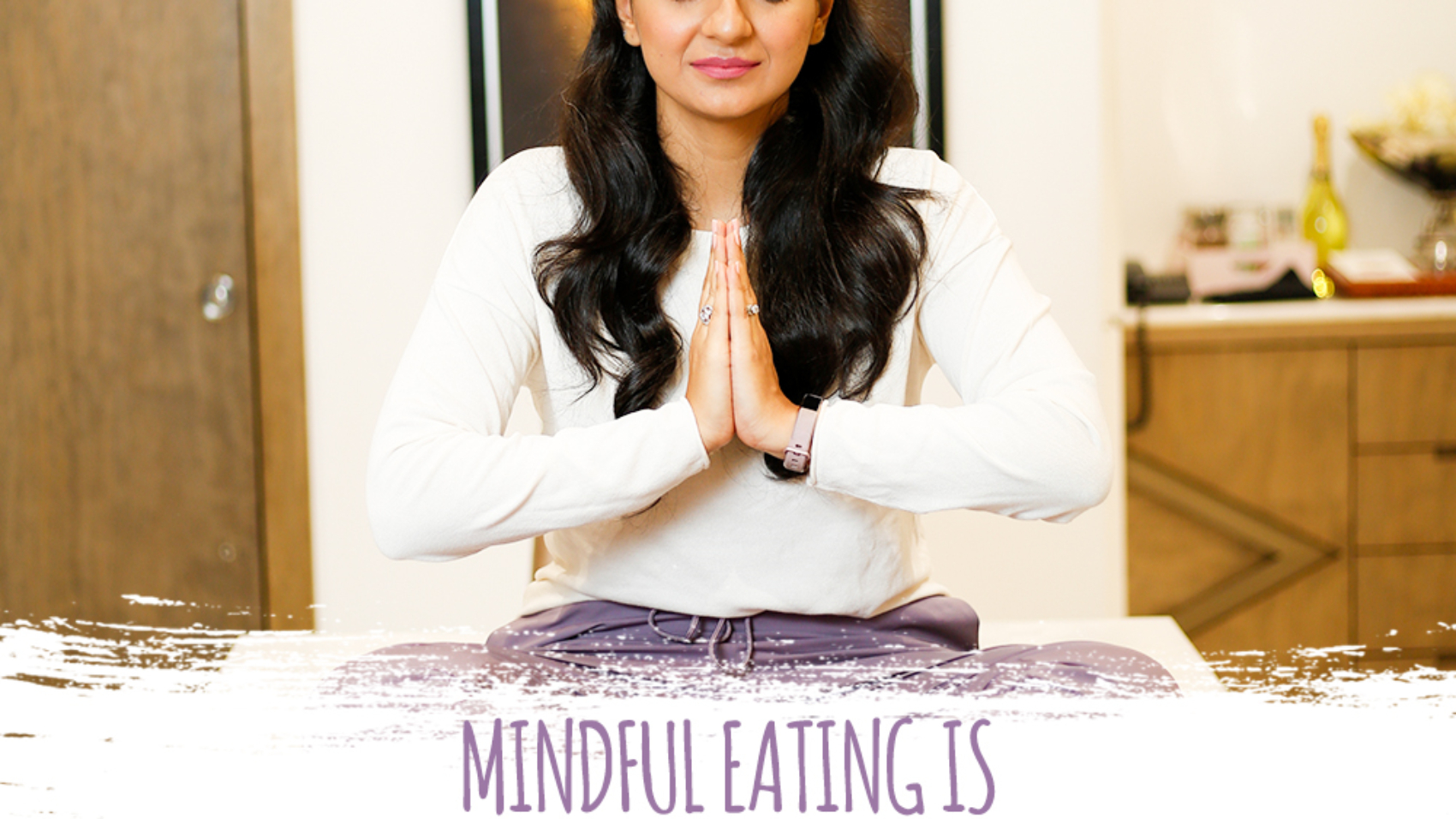
Mindful eating is maintaining an in-the-moment awareness and focus on your experience at mealtimes. The concept of mindful eating is more about how to eat rather than what or how much you are eating. It is to focus all your senses and being present as you shop, cook, serve, and eat your food.

Here are some actionable ways to practice this way of eating.

  • Breathe before you eat

Just before you pick a fruit or a bar to savour on or sit on your dining table for a meal, its important to slow down and breath. Most of the time we are fogged up with our thoughts and our daily chores which puts more in a fight and flight mode rather than a rest and digest mode. To be able to digest and assimilate our food well we need to calm down and allow our brain to perceive the food in front of us so that it can signal our digestive system to initiate  the digestion process and connect with our food in a more deeper way.

  • Chew thoroughly and enjoy your meals without distraction

Everything seems to have been sped up – on the go breakfast or quick lunch in between a meeting has become a part of our culture. Because of this food ends up entering the stomach barely chewed and can cause digestive distress like bloating, constipation etc.

Slowing down the process of eating allows you to be in present and truly assess – If you are still hungry or just mindlessly eating?

It’s important to slow down the pace of your eating. Consciously experience – the tastes, texture, look and smell which together contribute to the experience of eating.

The more we chew our food, the more time the brain has to communicate with the stomach, release acids and enzymes and eventually pass the satiety signal.


  • Trust your hunger cues

Your hunger cues are your body’s way of telling you that it requires energy. Instead of eating calorie guided scheduled meals or eating by the clock, mindful eating helps you determine hunger cues and eat in response to that to satiate yourself rather than satisfy your situational or environmental triggers. This will help you improve your relationship with food and cope up with boredom, stressed and emotional eating.


  • Strike a balance between foods that nourish you and satisfy you

Providing the body with essential nutrients for various functions is important. But besides fuelling our body, food is also about connection, pleasure, culture, celebrations and fun. It is absolutely normal to want and enjoy the taste of something that is not specifically nutrient-dense.

Find foods that are nutrient-dense as well as you enjoy and also don’t feel guilty for enjoying foods that you like but aren’t as nutritious.

  • Express gratitude and journaling

When you sit down to eat – express gratitude for what all you have. The more you appreciate, the more in-the-moment you will be with your choices.

Journaling can help you resolve mindlessness over time. Just start by noting down your relationship with various foods, struggles and feelings after eating them and see where your mind takes you. It also helps to measure your progress in a tangible manner.


  • Self Check-In

By checking on self before and after meals, you can become self-aware and determine if you are hungry or full, relaxed or stressed and also understand why is it that you are eating. Before and after eating, always take a moment and ask yourself, “How do you feel?”. By doing so, you will develop a habit of being mindful of your eating habits.


The perfect doesn’t exist. For those practising mindful eating for years may also give in sometimes but that totally okay. It makes you think and realise that if you weren’t eating mindfully then why were you eating only? And this learning and its reflections on situations help you understand yourself better and also improve your digestion and make a positive significant influence in your life.


PicsArt_07-29-12.43.56

SKIN DEEP!!

SKIN DEEP!!

Healthy, supple, smooth skin is a dream for most people. But it’s super easy to fulfil this dream. The more natural and wholesome you eat, the better your skin gets. Here are a few skin-friendly tips which you may want to try!!

#1 Fruits & vegetables are a storehouse of vitamins and minerals. Vitamin A-rich foods such as papaya, peaches, carrots, green leafy vegetables etc. increase resistance against infections & support skin growth.

#2 Vitamin C rich foods such as lime juice, amla, oranges, sweet lime, guava, spinach etc. help in collagen synthesis, a protein that holds the skin cells together, promoting clear skin and a fresh complexion.

#3 Vegetable juices are a fantastic option to provide vitamins and minerals to the skin as they are directly absorbed into the bloodstream and also keep you hydrated throughout.

#4 Sprouts are wonder foods concentrated in essential nutrients. They are called ‘live foods’ as they contain enzymes that help in better digestion and absorption of proteins, necessary to maintain skin texture.

#5 Tomatoes are rich in lycopene- an antioxidant that protects the skin from internal damage.

#6 Flaxseeds, walnuts, chia are all excellent sources of omega 3 fatty acids that reduce skin inflammation and improve skin texture.

#7 Nuts and seeds like almonds, pistas, pumpkin seeds, sesame seeds are rich in vitamin E, which increase blood flow to the skin, making it smooth and supple.

#9 Excess tea/coffee dehydrates the skin & interferes with the absorption of nutrients adding to the dead, dull and dry look. Avoid it! Instead consume green tea which is an excellent antioxidant & skin rejuvenator.

#10 Avoid processed, refined or ready to eat foods as they contain preservatives and chemicals which add on to your skin woes.

#11 Limit the intake of alcohol as it provides nothing but empty calories, leaching away the essential oils from your body.

#12 Lastly, exercise regularly to improve blood flow throughout the body and improve skin oxygenation.

After all, ’Beauty comes from within’!

IMG_20200729_003744_855

 TOP 6 WINTER FOODS

 TOP 6 WINTER FOODS

Winter is an official binging time for people. To make your winters less sinful, here I am back with some superfoods to be incorporated in your diet – making you super healthy during this pleasant season. Let’s start with some sweet! 

SWEET POTATOES:

· Famously known as Shakarkand or Rathaalu on the streets of India, is a great winter-time snack.

· Contains vitamin A, potassium and is a high source of fibre, which helps you feel warmer.

· Regular intake builds immunity, minimizes inflammation and cures indigestion.

DATES:

· Highly nutritious fruit and a must-eat for fitness freaks as it is filled with natural sugars.

· Helps in maintaining your body weight by preventing silly sugar cravings.

· Regular intake during winters benefits your body, adding warmth to your body.

WALNUTS:

· Rich in vitamin E, which increases blood flow to the skin, making it smooth and supple.

· It is an excellent source of antioxidant to protect you from all cold-related issues.

· Regular intake keeps your nervous system and brain active – gifting you a healthy heart and body!

BAJRA / MILLET:

· Contains abundant fiber and minerals.

· Its high iron content is known to cure Anaemia.

· Regular intake during winter season makes your bones stronger.

FRESH TURMERIC:

·      Haldi is very famous in India as a home remedy for cold and flu.

· It’s a natural antiseptic and anti-inflammatory spice which fights cold and cough and is useful for dry and painful cough.

· Regular intake helps in repairing body cells during heavy winters.

RED CARROTS:

· Fully packed with beta-carotene carrots and rich in vitamin A.

· Can be consumed in the form of soup or stew keeping yourself away from cold and flu.

· Regular intake during winters protects you from infections and supports skin repair.

IMG_20200729_003736_979

NON-DIET FAT LOSS TIPS

NON-DIET FAT LOSS TIPS

While we talk about fat loss, we only look at food as the solution, but many times the problem may not be the food but other factors which are discussed below!! Here are a few ways in which you can speed up your fat loss process.

NEVER SWALLOW AIR
I know it’s a bit of odd advice to give, but swallowed air is one of the leading causes of bloating.
· Avoid aerated drinks: Since they fill your stomach with air causing an enough bloating to irritate you
· Avoid smoking: Smokers generally tend to swallow the smoke, resulting in bloated bellies.
· Avoid bubble gum. It bloats you as well thanks to the extra air we take in while chewing the gum.
· Avoid talking during eating. It leads you indigestion and air swallowing.

ENJOY YOUR FOOD SLOWLY
When you eat quickly, you swallow a huge amount of food before you realise you are full. Whereas, slow-eating gives you more time to realise that you’re full so that you can avoid over-eating.
· Chew each bite 20 – 30 times.
· Set a timer for about 20 minutes before starting your meal. Pace yourself so that you don’t have the last bite till the timer turns off.

EAT PEACEFULLY
Eating with a busy mind can cause over-consumption of food. It can also cause weight gain as when we are unable to focus correctly on our food, our body does not produce digestive juices the way it should. Whereas, consuming food in peace and sanity can help digest and absorb your food better.

SLEEP DEEP

Different body types need a varied amount of sleep. Adults need about 7 to 9 hours of sleep per night. Whereas, Kids need 10 to 12 hrs of sound sleep or even more. Proper sleep boosts up your entire weight loss journey. When your body doesn’t get enough amount of rest, it becomes difficult to feel motivated to get up and lead your day with happiness and confidence. You also tend to consume more junk food due to irregular sleeping patterns.

MAINTAIN A FOOD JOURNAL.
· Noting what you eat every day can help you eventually understand where you are going wrong and what are your wrong food habits, timings or choices.
· It is an excellent way to self introspect and be mindful about what you choose to put in your mouth every time you eat.
· Keep a diary or make notes on your phone and at the end of the week, make a note of all the wrong things you ate during the whole week according to you, and make sure you do not repeat it in the coming week.

8

FIBER THE SILENT HERO

FIBER THE SILENT HERO

Every new food product in the market and every food advertisement on TV, paper, media etc. emphasize one thing in common, that is FIBER. This word has gained so much importance in the last few years that people, even without knowing what exactly it does to your body; want to purchase products which contain fibre. But that’s a good thing as fibre is like the precious gem amongst all the other food components, especially in the junk age we are living in and are lured by so many taste bud stimulating but unhealthy options. It is a savior, especially for diabetics with the most desirable impact on blood sugar levels.

Fibre is a non-nutrient nutrient with a twist. Yes, it does not have calories and is not digested by the digestive system, unlike other nutrients like proteins, fats and carbs. This would make you wonder, then why do we need it? Basically, fibre slows down the digestion of food in the stomach, which helps to release the glucose (after the breakdown of carbohydrates) in the bloodstream slowly preventing the glucose spike in the blood. This slow release of glucose signals the pancreas to release insulin slowly in the bloodstream, which is needed for the uptake of sugar by the cells. In a typical low-fibre meal, the blood glucose levels spike up telling the pancreas to release too much insulin which a person with diabetes cannot handle as they are resistant to insulin. A study published in the Journal of the American Board of the Family medicine states that involving fibre supplementation for type 2 diabetes mellitus can reduce fasting blood glucose and HbA1c. Fibre also keeps you full for a longer time as it slows down digestion, reducing the hunger pangs usually experienced in diabetes.

Apart from these benefits, fibre also helps to clear the bowels by preventing constipation, aids in weight loss, reduce cholesterol levels by absorbing and excreting the excess cholesterol thereby preventing heart problems and reducing the risk of cancers by eliminating the carcinogenic toxins from the system.

Adults need to consume 25-35gm fibre/day through fruits like apples, pears, papaya, guava etc, vegetables like carrots, cucumbers, broccoli, bell peppers, etc, whole grains like oats, millets, barley, brown rice, quinoa and legumes like chickpeas, rajma, beans, sprouts etc.

Beware of all the unhealthy fibre rich foods the junk food industry tries to sell us like biscuits, bread, pasta, crackers etc. as these surely are rich in fibre but are also loaded wtih health compromising fatsm sugars, fillers and additives.

So un-tick the junk foods from your list and replace them with natural fibre-rich options to have a healthier control on your blood sugars as well your weight!

IMG_20200727_005259_314

LOSE WEIGHT THE RIGHT WAY!!

LOSE WEIGHT THE RIGHT WAY

There is only one thing we feel happy about losing, and that is WEIGHT… Sadly, the glamour industry has glorified a slim body in such a way that everyone thinks of being sizes smaller and all want it quick and overnight and that is what hampers their health and causes more problem than anything else. Fad diets, starving, high protein diets, meal replacements etc. are all ways which people resort to, to shed that extra flab not knowing, how badly these methods affect their organs, blood, hormones and overall wellbeing. No wonder why people who are on guaranteed weight loss programmes also lose their hair, muscle, vitality, libido and charm.

The truth remains that there is no shortcut to weight loss other than correct food and consistent movement or an active lifestyle. Everything else is a gimmick.

So the best way to lose weight is to EAT THE RIGHT FOOD AT THE RIGHT TIME in sync with your body. By this I mean just like we sleep at night, wake up in the morning and do all our chores at a specific time of the day, the body also has a clock which works internally and does certain functions at a particular time every day, and for that, it needs the right fuel.

·      From 4 am-12 pm our body predominantly cleanses so foods like fruits, herbal teas and juices can help you with energy and the cleansing process.

·      From 12 pm-8 pm our predominantly builds itself, so foods like grains, pulses, nuts can do the magic

·      From 8 pm-4 am our predominantly repairs and recovers, so here is when the body needs rest and sleep to do its work.

If we work in accordance with our body’s needs, we are less likely to add pounds on ourself and stay active and healthy. It is also imperative to listen to the messages the body is giving. Most of us tend to overeat in a hurry or worry and don’t realise when we are full. Once we chew our food well, we tend to eat less and absorb more nutrients reducing cravings and excess fat deposits in our flab.

Another important aspect of weight loss is regular activity which means exercising for a minimum of 45 minutes 4 days in a week at least. This helps in fat burning and improves blood circulation, providing all nutrients to your cells, controlling your appetite. Opt for any form of workout you enjoy and that is when your cells will react in the happiest way.

So before you are tempted into trying any fad diet, remember this, that you might weigh less on the scale, but you will lose on your beauty and health essential tissues such as muscles, hair, bones and water making you more vulnerable to weight gain very soon. Am sure you don’t really want to get there. DO YOU?


IMG_20200727_005239_614

GOOD FOOD ALL ABOUT VEGGIES & FRUITS

GOOD FOOD ALL ABOUT VEGGIES & FRUITS

Our planet earth is magnificent and blessed with beautiful nature all around. God was so kind when he designed this planet and made sure we get all the necessary nutrients from nature itself. And one such creation was fruits and vegetables which are a true powerhouse of all energy, vitamins and minerals your body needs to function at its best. They are readily available, cheaper than your processed fancy foods, convenient to carry and help you to prevent or overcome a host of health issues. That is the reason why you always heard your elders saying ‘Eat your fruits and veggies.’

WHY ARE THEY SO WONDERFUL??

Fruits and vegetables are whole natural foods which provide us with nutrients needed by our body in small amounts but play a significant role in maintaining our health at its best.

·      Vitamin A: required for normal vision, good skin texture, prevent acne and pimples, normal growth and repair of the body.

Sources: Orange, ripe yellow/red fruits – papaya, watermelon, tomato, mango etc, leafy vegetables, carrots, pumpkin, spinach etc

·      Vitamin B-complex: this includes a group of vitamins like B1, B2, B3, B6, B12 and folic acid which are required for utilizing carbohydrates and providing energy to the body, regulate fat metabolism, helps in Red blood cells production, prevent mouth ulcers etc.

Sources: vegetables like potatoes, sweet potato, carrot, beetroot etc.     Vitamin C: is required for the protection of teeth, gums and bones. It strengthens the immune system and prevents the body from infections like common cold and flu. It also helps to form collagen, which is essential part of joints and bones.

Sources: kiwi, amla, guava, citrus fruits, capsicum and green leafy vegetables.

·      Calcium: is needed for healthy teeth and bones, normal blood clotting, muscle contraction and nerve function.

Sources: bananas, broccoli, green leafy vegetables etc.

·      Magnesium: is required for healthy bones, muscle and nerve function, converting blood sugar to energy, blood clotting, insulin secretion and for normal heart rhythms.

Sources: green leafy vegetables, banana etc.

·      Potassium: along with sodium, works to regulate fluid in the body. Potassium also helps to maintain a regular heartbeat and low blood pressure and enables glucose in the body to be converted to glycogen, a storable form of energy.

Sources: bananas, tomatoes, oranges, sweetlime, pineapple and most of the fruits and green leafy veggies.

·      Iron: is required for the production of haemoglobin, the component of red blood cells that transports oxygen around the body and myoglobin, which carries oxygen to our muscles. Iron can prevent fatigue, protect against illness and disease and helps in the absorption of vitamin C.

Sources: peas, green leady vegetables like spinach, methi, beet root etc.

·      Copper: helps to form collagen, which is essential for healthy bones and connective tissue, production of red blood cells and is needed to absorb iron more efficiently, to prevent heart disease and high blood pressure and that it protects against damage from free radicals and the development of cancer.

Sources: potatoes, garlic, bananas, mushrooms, tomatoes, prunes etc.

How they protect our body:

·      Weight loss: They are rich in fibre and low in calories which help to increase the feeling of fullness and prevent us from overeating. This helps in weight loss which is a significant problem among teenagers today.

·      Prevent high cholesterol: The fibre in them helps to absorb the bad fat in your bloodstream and thereby protect you from developing a heart problem in the future.

·      Control sugars: The fibre in them controls blood sugar levels as well. They slow the absorption of sugar in the blood, reducing the chances of a blood sugar spike.

·      Prevent cancer: They are rich in antioxidants which help to fight against cancer causing cells thereby preventing the growth of tumour in the body.

·      Improve immunity: The nutrients and antioxidants in fruits and veggies improve immunity and protect us from common infections like cold, cough, fever etc. and also help us fight against them better.

·      Reduce pressure: Since they are low in sodium and high in potassium, they help reduce blood pressure, thereby preventing the risk of attack or stroke in later years.

·      Improve skin and hair: They contain all the nutrients your skin and hair need to remain healthy. They improve skin texture, complexion, and hair growth, giving you lusciously long and healthy hair.

How much of them do you need?

According to the general rule, an adult needs to consume 3-4 serving of fruits and 4-5 servings of veggies/day to get their daily dose of vitamins and minerals. But the basic rule is never to mix your fruit and veggies. Always eat fruits on an empty stomach or mid meals but never with meals or after meals as desserts.

Our planet earth is magnificent and blessed with beautiful nature all around. God was so kind when he designed this planet and made sure we get all the necessary nutrients from nature itself. And one such creation was fruits and vegetables which are a true powerhouse of all energy, vitamins and minerals your body needs to function at its best. They are readily available, cheaper than your processed fancy foods, convenient to carry and help you to prevent or overcome a host of health issues. That is the reason why you always heard your elders saying ‘Eat your fruits and veggies.’

WHY ARE THEY SO WONDERFUL??

Fruits and vegetables are whole natural foods which provide us with nutrients needed by our body in small amounts but play a significant role in maintaining our health at its best.

·      Vitamin A: required for normal vision, good skin texture, prevent acne and pimples, normal growth and repair of the body.

Sources: Orange, ripe yellow/red fruits – papaya, watermelon, tomato, mango etc, leafy vegetables, carrots, pumpkin, spinach etc

·      Vitamin B-complex: this includes a group of vitamins like B1, B2, B3, B6, B12 and folic acid which are required for utilizing carbohydrates and providing energy to the body, regulate fat metabolism, helps in Red blood cells production, prevent mouth ulcers etc.

Sources: vegetables like potatoes, sweet potato, carrot, beetroot etc.     Vitamin C: is required for the protection of teeth, gums and bones. It strengthens the immune system and prevents the body from infections like common cold and flu. It also helps to form collagen, which is essential part of joints and bones.

Sources: kiwi, amla, guava, citrus fruits, capsicum and green leafy vegetables.

·      Calcium: is needed for healthy teeth and bones, normal blood clotting, muscle contraction and nerve function.

Sources: bananas, broccoli, green leafy vegetables etc.

·      Magnesium: is required for healthy bones, muscle and nerve function, converting blood sugar to energy, blood clotting, insulin secretion and for normal heart rhythms.

Sources: green leafy vegetables, banana etc.

·      Potassium: along with sodium, works to regulate fluid in the body. Potassium also helps to maintain a regular heartbeat and low blood pressure and enables glucose in the body to be converted to glycogen, a storable form of energy.

Sources: bananas, tomatoes, oranges, sweetlime, pineapple and most of the fruits and green leafy veggies.

·      Iron: is required for the production of haemoglobin, the component of red blood cells that transports oxygen around the body and myoglobin, which carries oxygen to our muscles. Iron can prevent fatigue, protect against illness and disease and helps in the absorption of vitamin C.

Sources: peas, green leady vegetables like spinach, methi, beet root etc.

·      Copper: helps to form collagen, which is essential for healthy bones and connective tissue, production of red blood cells and is needed to absorb iron more efficiently, to prevent heart disease and high blood pressure and that it protects against damage from free radicals and the development of cancer.

Sources: potatoes, garlic, bananas, mushrooms, tomatoes, prunes etc.

How they protect our body:

·      Weight loss: They are rich in fibre and low in calories which help to increase the feeling of fullness and prevent us from overeating. This helps in weight loss which is a significant problem among teenagers today.

·      Prevent high cholesterol: The fibre in them helps to absorb the bad fat in your bloodstream and thereby protect you from developing a heart problem in the future.

·      Control sugars: The fibre in them controls blood sugar levels as well. They slow the absorption of sugar in the blood, reducing the chances of a blood sugar spike.

·      Prevent cancer: They are rich in antioxidants which help to fight against cancer causing cells thereby preventing the growth of tumour in the body.

·      Improve immunity: The nutrients and antioxidants in fruits and veggies improve immunity and protect us from common infections like cold, cough, fever etc. and also help us fight against them better.

·      Reduce pressure: Since they are low in sodium and high in potassium, they help reduce blood pressure, thereby preventing the risk of attack or stroke in later years.

·      Improve skin and hair: They contain all the nutrients your skin and hair need to remain healthy. They improve skin texture, complexion, and hair growth, giving you lusciously long and healthy hair.

How much of them do you need?

According to the general rule, an adult needs to consume 3-4 serving of fruits and 4-5 servings of veggies/day to get their daily dose of vitamins and minerals. But the basic rule is never to mix your fruit and veggies. Always eat fruits on an empty stomach or mid meals but never with meals or after meals as desserts.

IMG_20200727_010412_604

HOME- YOUR BEST GYM!!


HOME- YOUR BEST GYM!!

Some people are fitness freaks while some run away from the word fitness. Some hit the gym daily, whereas some look for excuses to avoid going to the gym. But did you know your house could be the best gym area for you? Most of your household stuff like tables, chairs, stools, bottles etc. can help give you a good workout. This actually leaves you with minimal scope to escape your daily dose of exercise.

The exercises are very easy, which can be done in short spans like TV commercial breaks or between your cooking and cleaning sessions. So below are a few exercises which can be done at home with the stuff around:

  • Footstools can be used to do step-ups. You can do 50 step-ups in 1 minute and repeat it 2-3 times as per your capacity.
  • Water bottles(1-2 litres) Can be used to do bicep and triceps curls by filling them full or half with water as per your strength. Do 20 reps and 2-3 sets.
  • You can do overhead press 20 reps 2-3 sets with bottles.
  • Carry bottle over your shoulders and do squats 20 reps and 2 sets.
  • Carry bottles in your hand and do lunges 10 rep each leg and 2 sets.
  • Take old pair of socks and fill them with pebbles or beans and Velcro both the ends to together and use them as ankle weights while working in the house or you can also dance, skip or spot jog with them for at least 20 minutes. You can also do 50-100 leg raises with ankle weights on.
  •  Heavy books can be used to do bicep/triceps curl and crunches as well. Just lie down with knees bent and the book on your chest. Try to lift your shoulder off the ground with arms behind the head. Do 50 reps and 3 sets of this.
  • Use a towel to stretch. Lie down on the floor with one leg raises, loop the towel around the ankle and bring the towel and leg towards the chest. Hold for 10 seconds.
  • Place a couple of firm pillows on the couch and do an inclined chest press with bottles in hand. Do at least 20 reps and 3 sets.
  • Sit on a low seated couch and so triceps dip 20 reps, 2 sets.
  • Place both your hands shoulder width apart on a table or wall and do pushups 20 reps, 2 sets.

For a good workout, try to choose any 6-8 exercises from above daily and then increase your sets as your strength increases.

Household chores can be a great form of a workout as well:

Calorie expenditure during housework:

  • Making bed for 15 minutes= 80 cal
  • Dusting for 30 minutes=70 cal
  • Mopping floor for 30 minutes=120cal
  • Cleaning windows for 30 minutes= 122cal
  • Ironing for 30 minutes= 61cal
  • Cooking for 30 minutes= 72cal
  • Washing dishes for 30 minutes= 65cal
  • Washing car for 30 minutes= 122cal
  • Cleaning washrooms= 144cal
  • Sorting out groceries for 30 minutes=72cal


The values are for a person weighing 60 kg. The number of calories burned will go up if the person weighs more and will be lesser if the person weighs less.

Any more excuses??

9

BE HEART FIT!!

KEEP YOUR HEART FIT

All of us, without exception, experience the feeling of being famished at some stage in our life. The panting and palpitation is a common thing amongst all the urbanites, obviously due to the luxurious sedentary life they lead. A tad bit of movement also seems like a lot of activity done by us just because we do not move our limbs regularly, sit on our comfortable chairs for hours, laze on our cosy couch and do things on a click of a button. The ease and comfort around us make us so lazy that moving our joints also becomes a tedious task. But have you ever thought that just like your car has an engine which needs to be kept in its best condition to perform well, your body also has its natural engine, which is the HEART? This fist-size innocent organ plays an unimaginable role even in the edgiest situations to just keep you alive and going. From pumping blood every second to your organs, to clearing the bad blood in your body, it does it all. And yet we take for granted. It is time we realize we need to do something special for this mighty organ and the best way to do it give it some exercise which can make its muscles strong helping it to perform its work without much stress. You can choose any from below:

  • Brisk walk: 30 minutes of this in a day is good enough to help to strengthen your heart.
  • Jogging/ running: The trick is to start slow and steady and then increase your speed gradually. This helps to condition your heart.
  • Interval training: You can do this by running for a minute and walking for 3 minutes and repeating it for 30 minutes. You can also increase or change the time limits as per your capacity.
  • Aerobics/ dance/ Zumba:These are fun ways of working out your heart muscles. Besides that, since it is a group workout, you don’t need to hunt for motivation. 
  • Swimming: A simple low impact exercise which gives a good pump to your heart and also refreshes you after a hectic working day.
  • Cycling: A fun way to exercise, especially if you are a part of a cycling gang or you roll on the empty roads early morning with a set of few friends. Just hire a bike and get going.
  • Skipping: A convenient form of exercise that can be done anytime, anywhere even in the premises of your house, compound or office. You can carry it with you as well.
  • Functional training: This includes boot camp kind of activities like jump squats, walking lunges, mountain climbers, burpees etc. which not only condition your heart but also other muscles of your body.
  • Surya Namaskars: You can do these as per your capacity and at your own pace. Make sure to get your form right by doing it under the guidance of a trainer.
  • Stair climbing: If nothing else works, just take a flight of stairs up and dowm for 30 minutes at your pace, which can turn out to be a great heart working exercise.

So get your heart healthy!! You can also see how to get fit in just 100 minutes.

2

JUST 100 MINUTES TO GOOD HEALTH!!

100 MINUTES TO GOOD HEALTH

Exercise, we all know is one of the most integral part of being fit and healthy but despite knowing this fact and having a strong desire to work out, do we really spare time to give our bodies just 1 hour from your hectic daily routines? Not really!! We need to plan our workout in such a way that it doesn’t take away too much of our work time and yet help us feel fantastic. All we need to do is give our body 100 minutes/week, which means you can exercise for 30 minutes – thrice a week or 15 minutes every day or 45 minutes- twice a week. It’s simple yet effective. You can choose any of the exercise options from below:

• Jog/run for 15/30 minutes is an excellent way to relieve your body stiffness and feel fresh.

• 15 minutes stair climbing

• 15 minutes skipping

• 15/30 minutes dance

• 45 minutes of whole bodyweight training

• 15/30 minutes of Surya namaskars

• 15 minutes yoga

• 15 minutes of pilates/power yoga


Try to fix one time of the day for your workout, and especially it’s best if you can do it in the morning as there are lesser chances of you ditching it in the evening due to other social commitments. These workouts can be done even at home or building without you having to join expensive gyms or clubs. You can try a mix of these workouts doing different activities every day to shock your body and add some variety. Just 100 minutes a week can have the following effect on you:

• Improve blood circulation to the brain and thereby improving concentration.

• Help you sleep better.

• Make you happy and ready to face challenges positively.

• Reduce fat%.

• Increase bone mass.

• Improve skin and hair texture.

• Reduce appetite, helping you shed extra weight.

• Rejuvenate you and reduce stress hormones.

• Makes your heart healthier.

• Improves self-esteem and makes you more confident.


Remember, when you feel good, you look good. Your inner health is evident in your outer appearance. Invest just 100 minutes a week for a BRAND NEW YOU

IMG_20200727_005228_376

WAYS TO CONTROL YOUR APPETITE IN WINTERS

WAYS TO CONTROL YOUR APPETITE IN WINTER

WINTER IS HERE!!!
Yes, of course, winter is the most pleasing time of the year when we get to breathe some cold waves of air bringing a sense of freshness in our mind, body and soul. But along with that, comes the unwanted uncontrolled appetite which becomes a task to deal with sometimes. And hence, here are 9 excellent ways for you to control it:
Go for natural foods
Any food we eat boosts our metabolism and warms us up. Technically, when your body says ‘warm me up’, your brain hears, ‘bring on the cheese and fries’. This is because we are not trained to think of salads, fruits and nuts to warm us up. But instead of running for the fat loaded food, try using a handful of mixed nuts or steamed salads, stir fry etc. as your warming options. These foods not only help you feel warm but also give you a fuller feeling thanks to their high fibre content.

Get your proteins
Proteins give you satiety which helps to keep hunger away for some hours. So try and include some right amount of protein-rich foods like sprouts, soyabeans, seesds, pulses etc in your meals.

Eat small frequent meals
Instead of gulping a heap of food at a time, distribute your meals into smaller quantities and include some high fibre, good fats and protein snacks in between meals to help you keep your voracious unwanted hunger pangs at bay. You can opt for peanut butter with gluten free toast or apple, idli sandwich, dosa roll, avocado etc.
Stock on fibre prior to main meals
As we mentioned as fibre-rich foods help you control your appetite, it only makes sense to have a plateful of salad before you lunch and dinner to help you eat less of all the other fatty foods and also to control your blood sugar levels thereby halting your annoying sugar and creamy food cravings.
Out of sight is out of mind
Most of us go weak in our knees just on the sight or smell of some sinful food. So the best way to avoid this is by not stocking foods like chips, cakes, pastries, chocolates etc. in your fridge and kitchen cabinets. Such appetite aggravating foods need to be kept away from you, especially during the winters when your hunger levels are at their peak.
Chew slowly
It takes 20 minutes for your brains to get the message that your stomach is full. Hence when hungry, eat your meals slowly and chew each morsel well to prevent overeating. Eating too fast can make you miss your feel full signal and might result in overindulgence.
Get enough sunlight
Vitamin D formed with the help of sunlight can help to control excessive cravings and also help to stabilize your mood swings. Make sure you get 20 minutes of early morning sunlight every day between 8-11 am.
Be warm
Creating a warm surrounding for yourself can help control your hunger levels. Wear warm clothes, sip warm drinks like green tea/soup etc., have a hot water bath. Add herbs to your food which make you feel warm like ajwain, elachi, cloves etc.
Make an activity plan
A bit of exercise daily will surely not harm you. Exercise is the best way to uplift your mood, thanks to the endorphins it helps to release. Once you give your body its dose of 30 minutes of exercise every day, you would stop craving for the fat and sweet loaded so-called “comforting foods”. Training is also by far the best way to tame your wild appetite by controlling the chemicals associated with hunger. If outdoor exercise feels like a task to accomplish, try some activities at home itself like spot jogs, jumping jacks, pushups, squats, lunges etc.
WISH YOU A WISE WINTER!!

IMG_20200727_005220_469

SUPER FOODS TO FIGHT ACNE


SUPER FOODS FOR ACNE

Is acne killing your self-esteem? Don’t worry as you are not the only one. Research has shown that during adolescence close to 90-100% of the population has at least an occasional whitehead, blackhead or pimple—regardless of race or ethnicity. In most cases, acne begins between the ages of 10 and 13 and usually lasts for 5 to 10 years.

Acne is mostly due to the way skin reacts to hormonal changes. The skin contains sebaceous glands that naturally release sebum, an oily substance that helps protect it. During puberty, raised levels of the hormone testosterone can cause too much sebum to be produced. This happens in both boys and girls. The sebum can block hair follicles. When dead skin cells mix with the blockage, it can lead to the formation of spots in which bacteria in the skin multiply, which can cause pain and swelling beneath the blockages.

It is the hormonal changes, genetics, stress levels and skin type that depend on the frequency of your flare-ups. Foods like sodas, burgers, pizzas, chocolates, cakes, biscuits, samosas, vada pav etc which are high in sugar and white flour cause a spike in your insulin levels, leading to excess cortisol production which is responsible for acne development. Any kind of psychological or physical stress also raises blood cortisol levels. So keeping the cortisol levels under control is a crucial factor. You can keep your cortisol levels low by following a proper healthy diet, yoga, exercise, listening to your favourite music, getting enough sleep and having a positive attitude in life.

Let’s focus on the top 10 foods which can actually help you prevent acne or fight the existing ones:

1.      Flaxseeds: these contain a good amount of omega 3 fatty acids which can reduce inflammation in our body that can trigger cells to clog pores and potentially cause acne. They are wonder foods for the skin and body. Have 1-2 tablespoon of flaxseeds in your soup, smoothies, shakes/day to up your omega 3 intake.

2.      Avocado: is an excellent source of Vitamin E which that protects the skin from free radical damage caused by poor diet and environmental toxins. It a boosts your immunity to fight back those nasty bacteria causing red bumps on your beautiful face. It keeps your skin supple and free of blemishes. Other rich sources of vitamin E are almonds, walnuts, peanuts, olive oil etc.

3.      Alfalfa sprouts: though may look like grass, they are power-packed with vitamins like A, C, K etc. and minerals like zinc, selenium, copper etc. which help to detoxify the liver, flush out toxins from the body and give you clear, glowing skin. The super nutrition content, combined with the high amounts of chlorophyll, make this herb an extraordinary healer. You can steam then and add it into your soup, salads, sandwiches or juices.

4.      Kiwi: has 3 times more Vitamin C than an orange. Vitamin C may not directly cure acne, but contributes to a strong and healthy immune system which helps you to eradicate any sort of infection. It also is necessary for the formation of sturdy cell walls, collagen and elastin, keeping the cell skin cell structure intact and promoting healing of the affected cells and scars. You can also opt for other vitamin c rich foods like oranges, lemons, bell peppers, amla, guava etc. since your body does not store this water-soluble vitamin, you need to get enough of it from your daily diet.

5.      Carrots: are filled with beta-carotene which gets converted to vitamin A in the body. Vitamin A is the best antioxidant for the skin. It improves skin texture and maintains healthy skin cells. You can also get your

 Vitamin A from tomatoes, sweet potato, red and yellow bell peppers, cantaloupes etc.

6.      Sunflower seeds: are rich in selenium which in combination with Vitamin E works wonders to protect the skin from bacterial damage. It reduces inflammatory damage to the skin, preserves skin elasticity and controls acne development. Other foods rich in selenium are brazil nuts, fish, shellfish, mushrooms etc.

7.      Pumpkin seeds: are good sources of zinc. Studies have shown that zinc deficiency can weaken the immune system making one prone to any kind of infection. Hence zinc in your diet can help you prevent flare-ups and protect skin from any bacterial invasion. Other foods rich in zinc are sesame seeds, spinach, broccoli, asparagus, chickpeas, wheat germ etc.

8.      Coconut Water: Nothing better than coconut water to cleanse your blood because it resembles your blood plasma. It has a great deal of potassium and other minerals to help detoxify your cells and improve your skin health. Don’t forget to eat that coconut meat which is loaded with good fats for great skin.

9.      Beetroot: This is a super cleanser and makes sure your throws out all the toxins from your gut thanks to its high fibre content and the antioxidants in it make sure your skin cells are protected so that you don’t have ugly acne episodes.

10.  Spinach: The might green leaf which is so famous for all its health benefits. A great source of vitamin A, C, folate and minerals to help your skin survive harsh conditions and protect it from external and internal damage. Spinach also has cleansing properties which make total sense if you have acne-prone skin.

We all understand the pain and stress you go through when we see new zits and pimples popping up. Integrate these 10 foods in your diet to stay vibrant and skin healthy- heal yourself with the right food.

IMG_20200729_003733_207

PARTY- THE HEALTHY WAY!!

HOW TO PARTY IN A HEALTHY WAY?

Yes it is that time of the year when you actually start shopping and planning for the minutest thing from your wardrobe to your shoes just because you want to look better than your best on every festival get together with your friends and family. We look forward to party hard and enjoy some great food, liquor and dance which are the key ingredients of a happening party. But with all the fun and frolic, most people take their health for granted and go out and out to overdo every bit of it including binging and boozing in the name of celebration. Since we plan all other things, why don’t we simply plan out a way to enjoy all the glam-sham in the least unhealthy way? Festivals are surely a great way to enjoy but they can be even more memorable if you are in your best of shape and health. So here are some easy tips:

So if you are one of those who think that eating less during the day can compensate for all the excess food you are going to gorge on at the party in the night, then you are absolutely WRONG. Your body is an ongoing machine which needs fuel every second to perform. When you reduce your food intake during the day, you use up your muscles for energy which makes you weak and tired. Studies suggest that you must eat small meals every 3 hours to give you constant energy as well as increase your metabolic rate helping you burn fat faster.

·       Start your day with a healthy breakfast like oats / poha/ idli/ millet dosa etc. Do not skip your breakfast under as much as possible as research says, skipping breakfast can actually increase your appetite during the day forcing you to eat more than you what you usually would.

·       Have 3 main meals and 2-3 snacks like fruits, nuts, sprouts, roasted pulses etc in between your meals. This helps to control appetite and give you a fuller feeling before you step in the party.

·       Do not skip meals as this causes a drop in the blood sugar level, which signals your brain that your body is hungry, increasing your hunger levels. Skipping meals also slows down your metabolism as a survival mechanism which reduces your chances of burning fat. So if you deliberately skip meals to save the calories tend to over eat all the food they see at once and add plenty of fat to their waistline with every morsel.

·       Salads are a great way to avoid cravings due to their high fiber content which control your blood sugar roller coaster. Munch on a big bowl of raw salad in the evening prior to the party as it keeps you full and helps to reduce the urge to binge.

·       If the party is at night beware of the amount of food you eat. This is the time of the day when your metabolism is the weakest and anything in excess can easily be stored as fat. Research says that eating a light dinner 3 hours before you hit the bed is the best way to keep the fat off. So eat light until you have a little empty space yet in your stomach. When at the party, take your time to get comfortable with the surrounding and scrutinize the food choices available. Opt for non fried, steamed or roasted starters.

·       Buffet is an invitation to eat all that is available, but resist temptations and stick to a few favorite food options rather than taking little servings of all 20 different dishes. A recent study in American Journal Of Clinical Nutrition showed that the same women ate more food when exposed to a buffet setting than otherwise. So take smaller servings, use smaller plates to eat and focus on socializing more than eating. Soups are also amazing to help you control binging sprees. They are tasty and filling. The only thing you need to keep in mind is that clear soups can act like an appetizer, increasing your appetite whereas soup filled with veggies/ oats/ pulses and beans can fill you up well making it 50% of your dinner intake. So have a big bowl of soup from home before you step out for the party.

·        Party hard, but exercise harder.  Make sure to spare one hour of the day to burn all the additional calories and keep your BMR high to avoid piling on that unwanted fat. Let 1 hour of brisk walk or resistance activity do all the magic. Yes and don’t forget to exercise on the day you are going for a party.

Aim at leaving the party satisfied and not stuffed. Let every party be a healthy and memorable one.


Happy Partying!!

IMG_20200727_005233_757

EFFECT OF YOUR FOOD ON BLOOD PRESSURE

EFFECT OF YOUR FOOD ON BLOOD PRESSURE

High blood pressure also known as hypertension is number 1 risk factor for death and disability in the world. It is very common among millions of Indians today and many of them are even unaware of having this disorder. Hence it is known as the ‘silent killer’ because it has no symptoms and you can live for years without knowing it. If not controlled at the right time it can lead to stroke, kidney damage, heart attack, impaired vision, congestive heart failure, and many other problems. According to The World Health Organization, the ideal blood pressure should not be greater than 115/75 mm of Hg.
The reasons for high Blood pressure are heredity, stress, excessive salt intake, overweight, poor food habits, smoking, excess alcohol, and sedentary lifestyle. But these days due to easy and convenient food options, the main reason for high BP among people is wrong food choices. What you eat and drink can have a strong effect on your blood pressure levels. Below are a few smart food choices to prevent and control high B.P.

1) Reduce salt intake: Excess salt intake holds on to the water in the body raising the blood pressure. Try to use not more than 1 tsp(6 gm salt)/day. Use herbs like pepper, jeera powder, oregano, chili flakes, lemon juice etc for adding flavor to your foods. Avoid processed foods like bread, biscuits, ketchup, ready to eat options, canned meats etc as they are led with salt.

2) Fruits and Vegetables: include a variety of fruits and vegetables in your diet as they contain potassium and fiber as they have the opposite effect of sodium and prevent water retention thereby reducing blood pressure. Make sure to include 3-4 fruits and 4-5 servings of veggies in a day.

3) Restrict alcohol: Alcohol has empty calories and in excess, it can increase weight and your pressure. It can affect the muscles in the blood vessels causing them to constrict. Limit your alcohol intake to not more than 1 mild drink/day with no-alcohol days in between as well.

4) Restrict coffee: Coffee has caffeine which is a stimulant and can increase heart rate and blood pressure. Though the effects of coffee are temporary, they can yet affect a hypertension patient. Try to drink coffee occasionally.

5) Get enough Vitamin D from sunlight and fortified foods like milk, cereals, yogurts etc because vitamin D deficiency can affect blood pressure as it plays an important role in calcium metabolism. Calcium is important for normal smooth muscle contraction.

6) Good fats: choose goof fats like olive oil, nuts, seeds like flax seeds, chia, sesame etc with omega 3 fatty acids as they prevent weight gain and help to maintain normal blood pressure. Avoid fried foods, ghee, butter, and margarine.
Try to exercise daily for 1 hour like walks, jog, run, dance, aerobics, swimming etc as it is imperative for maintaining normal blood pressure.

Blood Pressure is not a disease but a symptom which if not cured for a longer period of time may result in various other problems and dysfunction in the body.
Have a great Day!!!!

5

EVERYTHING YOU NEED TO KNOW ABOUT BONE HEALTH!!

EVERYTHING YOU NEED TO KNOW ABOUT BONE HEALTH

Bones, that part of the body because of which you can stand, sit, run, jog, dance, bend, twist, stretch and so on. Ever since childhood, we do a host of activities, thanks to our bones. Every living being needs food to fuel the body to grow and regenerate, so do the bones. Calcium is the most important nutrient for bone development and maintenance. If you don’t get enough calcium in your diet, your body pulls out calcium from your bones increasing the chances of osteoporosis and risk of fractures.

So from where do you get calcium in the food:

·       Cereals like ragi, and jowar, amaranth are great sources of calcium. You can easily replace wheat with them. You can start your day with millets in any form.

·       Pulses and beans like soya, moong, chana, rajmah, and their sprouted variants are good sources of calcium. You can have them as veggies or add them in salads as well.

·       Nuts and seeds: almonds, walnuts, cashews etc are rich in calcium. A few of them as snacks can help in a great way. Seeds like sesame seeds, sunflower seeds, pumpkin seeds etc can also be added in salads.

·       Green leafy vegetables like spinach, methi, lettuce, celery, broccoli, cabbage etc are fair sources of calcium.

How can you avoid drainage of calcium from your bones?

·       Caffeine: drinking excess of tea/ coffee can lead to calcium loss. Avoid more than 2 cups.

·       Animal protein: Excess of chicken, meat, pork etc can increase calcium loss by increasing acid in the body which is neutralized by calcium from the bones.

·       Alcohol: it hinders calcium absorption and can affect the body’s calcium balance. Limit the intake not more than 7 drinks/week and not more than 2 drinks at a time.

·       Soft drinks: to balance the phosphates in the drink, the body releases calcium from the bones which get excreted. Drink lime juice, jaljeera, fresh juices instead.

·       Iron: avoid iron supplements along with calcium supplements or calcium-rich foods as they compete for absorption and the body doesn’t get enough calcium.

When it comes to your bones, calcium alone is not enough. There are other vital nutrients that help your body absorb and make use of the calcium you consume. The most important of these are magnesium and vitamin D.

Magnesium helps to absorb and retain calcium and prevent osteoporosis and build strong bones. Magnesium is found in nuts, seeds, whole grains, legumes, tofu, and many vegetables.

Vitamin D is another important nutrient that helps the body absorb calcium and regulates calcium in the blood. Your body synthesizes vitamin D when exposed to the sun. However, a large percentage of people are vitamin D deficient—even those living in sunny climates.

If you don’t spend at least 15 minutes outside in the sun each day you may need an extra vitamin D boost.

You can also take a vitamin D supplement of 1000 IU- 2000 IU/day.

Exercise: for lifelong bone health, exercise is a key component. Especially weight-bearing exercises help in better calcium absorption I thereby strengthening your bones. Studies have shown that the risk of fractures and osteoporosis was lower in people who did weight-bearing exercises at least 3 times in a week. Exercise also improves muscle strength and coordination which prevents injuries. Different forms of weight-bearing exercises are:

·       Walking

·       Jogging

·       Stair climbing

·       Skipping

·       Squats

·       Lunges

·       Weight lifting

·       Dancing

Choose a form of exercise that you like and enjoy so that it is fun and do it regularly.

3

ANTI-AGEING WITH ANTIOXIDANTS

ANTI-AGEING WITH ANTIOXIDANTS

When you wake up in the morning what do you want to see in the mirror? A clear, glowing, radiant skin or a saggy face with spots and blemishes. Am sure all want to see the former. Skin changes are the first signs of aging. We all get wrinkles but no one wants them prematurely.
We all want to grow in all spheres of life like emotionally, financially, spiritually etc but no one wants to age. Wish you could have some magic wand to stop the ageing process but unfortunately that does not happen so they opt for cosmetic treatments to hide their aged skin. But instead of spending a fortune on expensive procedures, it’s better to eat foods rich in antioxidants which prevent wrinkling and sagging of the skin.
Antioxidants are substances which can counteract the damaging effects of the normal process of oxidation in the body. They are nutrients like vitamins and minerals which play an important role in preventing chronic diseases like cancer, heart disease, stroke, Alzheimer’s disease, Rheumatoid arthritis, and cataracts.
Free radicals are produced within our body due to normal processes like metabolism, respiration, pollution, sunlight, smoking, alcohol and strenuous exercise but it poses stress on the body when excessive free radicals are produced beyond the body’s capacity to fight against it. Free radicals are unstable molecules and attack various cells in our body in order to become stable thereby damaging our organs. Antioxidants stabilize these free radicals without undergoing damage and hence protecting us from health problems.

Sources and requirement of antioxidant nutrients

· Vitamin E also known as anti-aging vitamin found in walnuts, peanuts, almonds, whole grains, vegetable oils etc. An adult needs minimum 15mg and maximum 1070mg of natural vitamin E.

· Vitamin C improves immunity and works in combination with vitamin E. It is found in citrus fruits, green leafy vegetables, amla, guava, tomatoes etc. An adult needs minimum 90mg and maximum 2000mg.

· Beta-carotene (form on vitamin A) helps to protect vision and skin texture. It is found in red, orange vegetables and fruits like tomatoes, papaya, mangoes, bell peppers, green leafy-vegetables, pumpkin etc. There are no specific requirements for beta-carotene.

· Selenium is a trace mineral found in wheat, corn, rice, nuts, and soybeans etc. An adult needs minimum 55mg and maximum 400mg of selenium.

A word on proteins:

Every cell in your body from your organs to your nails and hair are made up of protein. Proteins are required for wear and tear of the body, that means discard the old skin cells and form new fresh ones. If your diet lacks in protein, premature aging is definite. Make sure you consume some form of protein in every meal be it dal, tofu, sprouts etc. this will keep your skin tight, gorgeous and young.

A word on collagen:

Collagen is a cementing substance in the body which binds cells together. That is why your skin needs collagen to bind and prevent wrinkles. Soya, spinach, methi leaves, papaya, beet, tomatoes, cucumbers, carrots, sweet
potatoes etc are all rich in collagen.

Other guidelines:

  • Eat 2-3 servings of fruits and nuts daily.
  • Hydrating the skin with water is of utmost importance as it flushes toxins from the skin, improves blood flow, nutrient and oxygen supply to every underlying cell thereby maintaining its functionality to the maximum. Keep sipping water throughout the day.
  • Omega -3 from flax-seeds, walnuts, chia seeds lubricates the skin and gives a bright, shiny and younger looking YOU.
  • Avoid direct sunlight in the afternoon
  • Say NO to smoking
  • Reduce alcohol consumption as it causes bloating, puffiness and dehydration which the skin dislikes.

Exercise for anti-aging:

If you do not use a car for a long time, its engine and battery may breakdown. Similarly if you do not use your body, the muscles may breakdown causing premature aging. Few tips:
· Go for a brisk walk. The blood flow will just do well to your skin.
· Play any sport of your choice like badminton, squash, tennis etc. the adrenaline and
endorphin rush will bring a glow to your face.
· Do yoga and breathing exercises to ease out stress which is the major cause of aging.

· Facial exercises are a great way of keeping your face wrinkle free as they improve blood circulation and flow of oxygen and nutrients to all the active muscles. Here are some exercises which if done daily can help you to get that glowing younger looking skin.

· Neck and jaws exercises:
a) Sit straight and look at the ceiling, keep your lips closed and start a chewing movement. Repeat 20 times.
b) Sit straight and look at the ceiling, bring your lips together as if you are kissing the ceiling. Stretch the kiss for 10 counts and repeat 5 times.

· Lips and cheeks exercises:
a) Bring your lips together as in a kiss and then when relaxing the kiss, keep your lips closed and curl your lips inside your mouth across your teeth. Repeat 10 times.
b) Smile as wide as possible with your lips closed and try touching the corners of your mouth to your ears. Wrinkle your nose and feel your cheeks moving upwards and hold for 5 counts. Repeat 10 times.

· Eyes and forehead exercises:
a) Sit facing forward and move your eyeballs right, left, up and down with head still. Repeat 10 times.
b) Frown as much as possible pulling your eyebrows towards one another and then lift your eyebrows as much as possible while opening your eyes wide.
Repeat 10 times.

Aging starts right from the very moment we are born. We grow a year older every 365 days of our life and step from infancy, into childhood, into adolescence, finally into adulthood. The aging process is inevitable but the rate at which it occurs differs from individual to individual. Today, due to stress, pollution, poor eating habits and lack of physical activity, aging become visible in people as young as 25. Taking care of your skin from your teenage years helps prolong the appearance of wrinkles in your later days. We cannot stop aging but can retard it provided we follow good nutritious balanced diet and an active lifestyle. After all, it is all about aging gracefully.

11

CINNAMON- A SUPER FOOD!!

WHY IS CINNAMON KNOWN AS A “SUPER FOOD?”

Cinnamon is the oldest spice known and used on planet earth. Once upon a time, it was more valuable than gold. It has a long history as a spice as well as a medicine. It is an exotic, fragrant and sweet flavored spice stick obtained from the outer bark of the tree Cinnamomum which when dried, rolls into a tubular form known as quills. Cinnamon is available either in these quill form or ground form. It can help to up your energy, vitality and circulation. No wonder it is knows as a super food! It helps to in various health conditions:

  • Blood sugar control: sprinkling some cinnamon on a high carb meal can lower the impact on the blood sugar levels as a study shows that cinnamon slows the rate at which the stomach empties after meals, reducing the rise in blood sugar after eating. The compounds in cinnamon not only stimulate the insulin receptors but also inhibit the enzyme which inactivates them thus improving the response of people with type 2 diabetes to insulin and normalizing blood sugar levels.

  • Weight loss: Cinnamon has a blood thinning property which helps to improve blood circulation and thereby metabolism helping in weight loss.

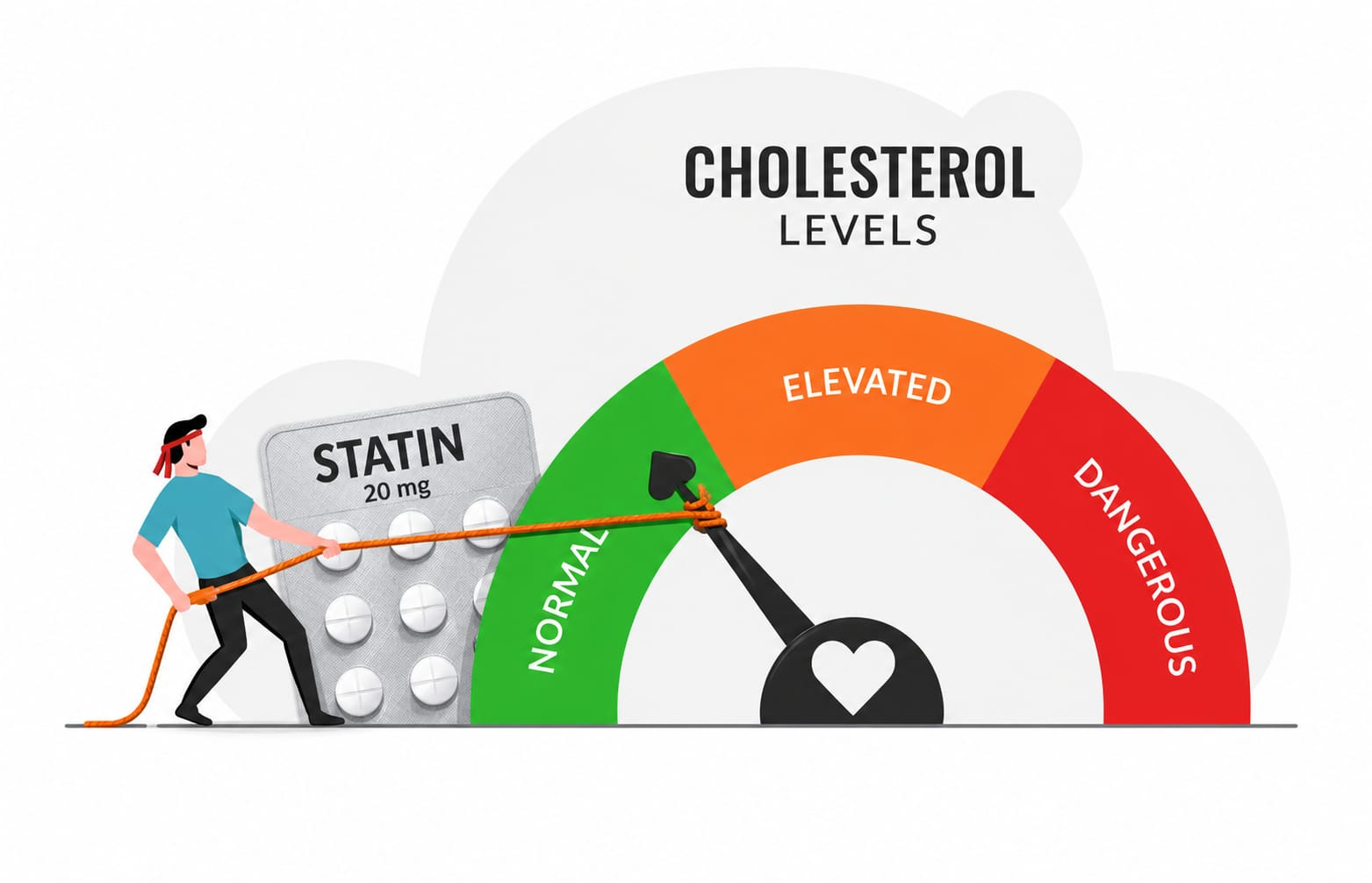
  • Bad fat control: Studies have shown that cinnamon can lower triglyceride, LDL cholesterol and total cholesterol indirectly; by the way the body processes fat hence giving your heart a great deal of protection it needs.

  • Common cold and sore throat: the minute you start feeling an itch in the throat or a series of sneeze, have few cups of cinnamon tea as it has antimicrobial and warming properties which prevents the condition from getting worse. It can help with all sort of lung congestion issues as it removes mucous and encourages circulation.

  • Alzheimer’s disease: The latest findings indicate that two compounds found in cinnamon —cinnamaldehyde and epicatechin — may be effective in fighting Alzheimer’s. Cinnamon has been shown to prevent the development of the filamentous “tangles” found in the brain cells that characterize Alzheimer’s.

  • Antioxidant: Cinnamon is considered as one of the top seven antioxidants in the world which can fight free radicals and prevent organ damage and other diseases protecting your body from skin to organs.

  • Infections: Cinnamon is known to have high anti bacterial and anti microbial properties which prevent us from infections and boost the body’s immune response.

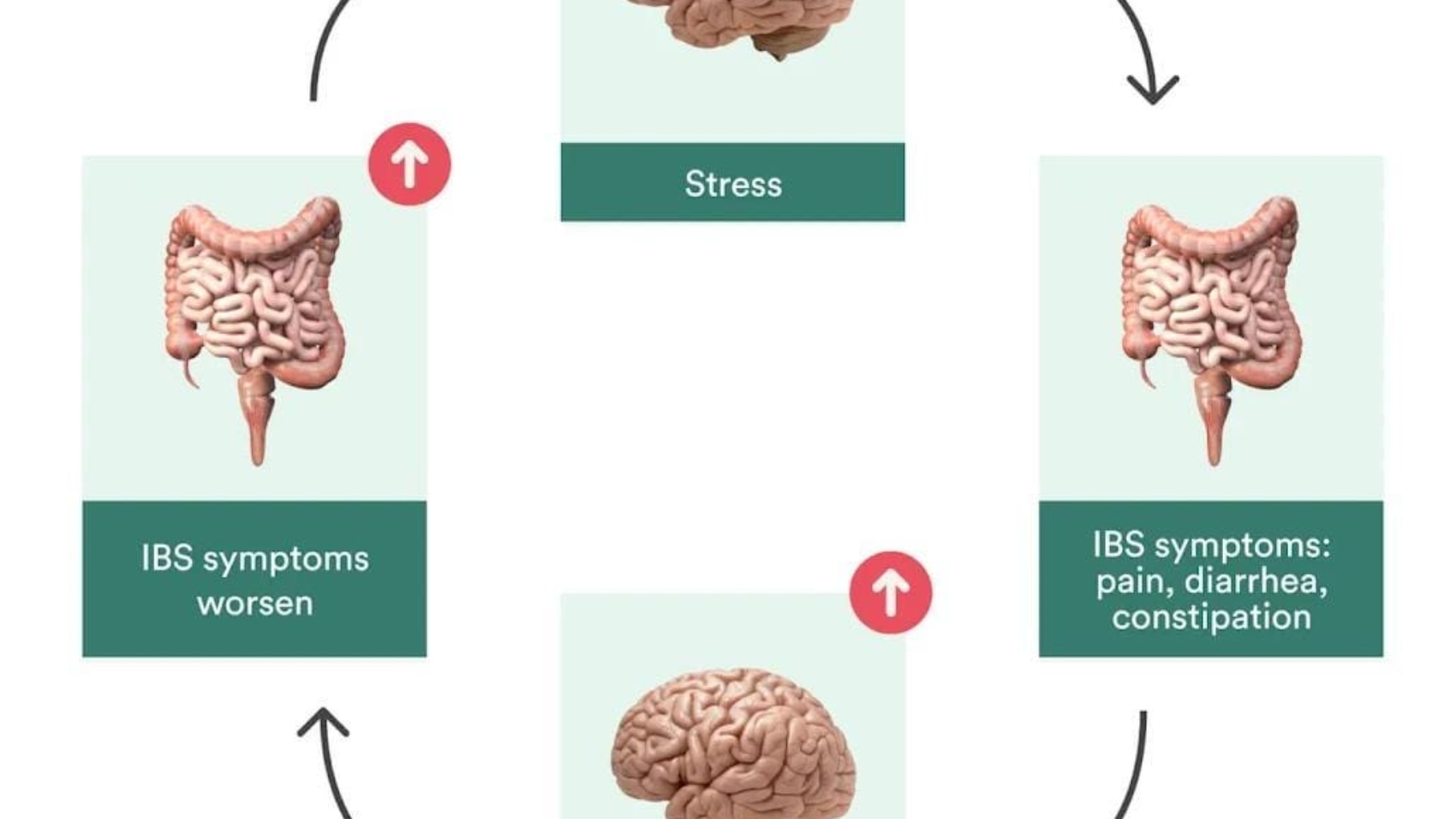
  • Depression and IBS: Since cinnamon has anti bacterial properties, it can kill the bad bacteria in the gut which can cause a low mood feeling or irritable bowel syndrome.

  • Brain function: Cinnamon has shown to improve brain function by improving cognitive processing, alertness and concentration. It may also heal the brain cells and prevent them from swelling up like in stroke or brain injury.

  • Anti inflammation: Cinnamon has shown to reduce body inflammations and help in repairing tissue damage. It can help treat certain type of pain, headaches as well as arthritic pain by boost circulation at the joints.

  • PCOS: cinnamon can improve insulin resistance in PCOS women which can improve their menstrual health. Cinnamon can also help mitigate heavy menstrual bleeding associated with common conditions of female health, such as endometriosis, menorrhagia, and uterine fibroid.

  • Indigestion: Apart from adding flavor to the food, it also aids in digestion. Cinnamon is very effective for indigestion, nausea, vomiting, upset stomach, diarrhea and flatulence. Due to its carminative properties, it is very helpful in eliminating excess gas from the stomach and intestines. It also removes acidity, reduces the effects of morning sickness. Cinnamon is therefore often referred to as a digestive tonic.

Apart from its internal use, cinnamon can be used in a number of ways externally.

  • It can be used with oatmeal pack to prevent acne.

  • Cinnamon oil can be used to improve the health of teeth and gums and prevent tooth decay.

  • Cinnamon oil combined with a carrier oil can be used as an excellent massage oil which can help to relieve and relax muscles and reduce aches and pains.

  • Cinnamon oil or cinnamon infused in water can be used to heal toe and finger nail fungus due to its anti-fungal properties.

  • The pleasant aroma of cinnamon oil makes it a very effective as a room freshener. It is often added to potpourris.

  • Cinnamon oil and bark are great mosquito repellents as it contains cinnamaldehyde, which is an active mosquito killing agent.

  • Cinnamon acts a food preservative. If you add cinnamon to any recipe, it actually helps to prevent the spoiling of the food by delaying bacterial growth.

Best ways to use it:

Cinnamon is highly versatile spice which can be used in sweet and savory dishes. Try opting for Ceylon cinnamon for best results

  • Sprinkle some cinnamon to your water/ green tea.

  • Add a dash of it to your oatmeal, whole grain cereal or vegetable soups or on your popcorn.

  • Freeze cinnamon with ice cubes to add some zest to your plain water or beverages.

  • Season roasted or grilled veggies like cauliflower, sweet potato, carrots etc with cinnamon powder.

  • It can also be used in combination with ginger and cardamom if you have a sluggish digestive system.

Safe dosage: consuming anything between 2-5 gms/day is safe. Anything in excess can be toxic.

Storage: Whole sticks should be stored in cool, dry, dark place, in airtight glass containers for many months. Ground/powder cinnamon spice should be stored inside the refrigerator inside sealed containers and should be used as early as possible since it loses its flavor quickly.

So it’s not a sin- sin but a win-win situation when it comes to cinnamon.

10

LOSE THAT MUMMY TUMMY

LOSE THAT MUMMY TUMMY

Being a mother is the most amazing feeling in this world. The 9 nine months of pregnancy takes us through a lot of physical changes and a roller coaster of emotions. The new joys of motherhood and the challenges it lays ahead for you brings up an important question in your mind ‘how do I get back my pre-pregnancy body?’

Losing weight is the ultimate goal for any new mother. But as this period is of crucial importance for both – mother and the baby, any drastic step towards weight loss can prove harmful. Be realistic about your weight loss goals. You haven’t put on all those kilos in a day, so do not expect to lose it very soon. Give yourself atleast 6 weeks to adjust to the new routine. Reducing you caloric intake drastically can just leave you exhausted affecting your milk supply. Keeping achievable goals like losing not more than 1 kg/week is a smarter choice to make.

The best way to lose the mummy fat is slowly and gradually by the following ways:
· Feed your baby: Breastfeeding is the most effective and convenient exercise to lose the extra fat as it helps you to lose good amount of calories and also strengthens your emotional bond with your little one. It is like a miracle food for your child and the best gift you can ever give him/her.
· Eat, Eat, Eat.

  • Never starve yourself when lactating as this can reduce your milk production and leave you fatigued and drained out. Besides that when you starve, you tend to eat more in the next meals gaining more weight instead of losing it. Starving also reduces muscle mass thereby your metabolic rate slowing down the weight loss process.
  • Eating 5-6 six meals with small snacks rather than 3 large meals helps you lose weight and feel better (snacks like carrots, fruits, makhanas are healthy options). Small meals help to up your metabolism
  • Breakfast is by far the most important meal of the day. Breakfast, helps you and your baby need to kick start your day and keep you energetic enough to do all the running around. Breakfast also helps to avoid overeating in the latter half of the day.
  • Proteins are extremely important for the wear and tear and recovery from the delivery process. Choose clean protein options like sprouts, chia seeds, pulses, tofu etc to stock on proteins without the unwanted fat.
  • All fats are not bad, opt for MUFA and PUFA rich oils like olive oil, rice bran oil or blend oils like rice bran and sunflower/ safflower mixed oils. Avoid saturated fats like butter, ghee and margarine. Try as much as you can to avoid baked and fried foods as they contain trans fat which can increase your cholesterol levels. Omega 3 fatty acids especially DHA is extremely important for the development of your child’s brains and for  your overall health as well. Consuming fish 2-3 times/week or 2-3 tbsp of powdered flax seeds/day can help you meet your omega 3 requirement.

  • Omit processed, sugary and salty foods, artificial sweeteners and any other food with harmful chemicals which increase water retention and can enter your baby’s body through your milk.
  • Include good amount of fibrous foods like whole grains like oats, brown rice, quinoa, jowar, ragi, bajra etc, fruits and raw vegetables to prevent constipation and give you fullness. Eat the fruit and vegetables, not its juice.
  • Galatogauges like methi seeds, fennel (saunf), alfalfa seeds etc help in increasing milk production thereby indirectly aids in weight loss.
  • Early days of motherhood can be quite taxing causing lot of water loss due to perspiration. Drink 100-150 ml water every half an hour to keep yourself hydrated. You can opt for lemonade, buttermilk, jaljeera, green tea etc. Avoid tea, coffee, alcohol as they are dehydrating to the body leaving you famished and sluggish.

Embrace exercise: Exercise along with a balanced diet is the ideal way to shed the pounds. Six weeks after normal delivery and 8 weeks after C-section is when you can start an activity like walking, jogging, swimming, body conditioning and strengthening for 10-20minutes/day and slowly increase your exercise time to 30-45 minutes/day. An active lifestyle also helps to reduce depression and improve blood circulation.

It is understood that motherhood takes a toll on the women. Also the new routine of bringing up the baby takes away all her time. That is when she has to take extra efforts to take care of her food and lifestyle. It is best to make a daily time table, keeping alarms in your smart phones and planning your day in the morning so that you don’t miss out on the important things for your baby and yourself. Be gentle with yourself and take pride in your healthy lifestyle, because only healthy mothers can raise healthy children.

7

EAT RIGHT THROUGH THE DAY!!


HOW TO EAT RIGHT DURING THE DAY??

The fast-paced life we lead today demands a lot from us in terms of energy, stamina, ability, concentration etc which burdens our mental and physical stability. To shine out, we need to be well fueled and equipped so that we are able to handle anything that we are put through. The idea is to perform in your daily life rather than just survive. It actually is ‘The survival of the fittest’.  Your body can only help you perform at your best if you feed it with the best.

1) Eat right when you wake up

This is the time when your muscles are absolutely depleted & hungry after a 10 hour fast. Eating well here helps you to revitalize your muscles & prevents excess calorie intake in the latter half of the day. Starting your day with herbal tea or fruit is the best thing you can do.

2) Eat right during mid meals

Mid meals are the most tempting time of the day to munch on fattening & non-healthy stuff such as chips, biscuits, fried snacks etc. Instead pick up a piece of fruit, a handful of nut or an oatmeal bar & see the difference for yourself.

3) Eat right pre-workout

To sustain throughout the workout & to get the maximum out of it, it is mandatory to fuel your system with the right kind of food like fruits, nuts, dry fruits etc.

4) Eat right post workout

This is the time when your body has absolutely drained off energy & is ready to accept anything & everything to the maximum it can. Feeding your hungry muscles 30- 45 minutes post workout with a balanced meal like complex carbs, good proteins, and good fats gives you the desired results.

5) Eat right at night

Most of the people skip their mails meals due to their busy scheduler overwork & tend to gorge on heavy lavish dinner which is the main culprit of added on calories & feeling of sluggishness throughout the day. The trick is to keep the dinner the light such as soups, salads, dals or light veggies etc.

6) Eat right when out

Parties & social gathering are no more occasions, but very much a part of our lifestyle today. What’s important is to resist the urge to splurge. It is wise to opt for salads, veggies, barbecued or roasted snacks rather than the fried stuff & royal creamy dishes, especially if u are on a calorie cut spree.

IMG_20200727_005304_968

THE HEALTHY SUMMER DIET

KNOW THE HEALTHY SUMMER DIET

Mercury level is rising, summer is at its peak and the scorching sun gives even more reasons to
constantly hunt for some cooling and soothing foods which can comfort us. It is the time of year when you get dehydrated easily due to excess sweat and perspiration and that’s the time when you want to reach out for something cold like sodas, beverages or be it even cold water. This is where we go wrong because anything extremely low in temperature can actually constrict our blood vessels affecting the heat loss process from our body.

Here are a few tips you need to keep in mind to keep you cool:

  • Up your water intake. In high humidity conditions, you do not sweat adequately due to which you cannot release heat efficiently from your body. That is the reason why you need to drink enough water at regular intervals even if you are not thirsty to cool your system.
  • Eat lot of fresh fruits, raw salads and lightly spiced foods. Fruits and veggies are easy to digest and high in water content hence help in hydration. Avoid fried and junk foods as they take time to digest and require lot of water. Spicy foods can also increase body heat.
  • Drink naturally cooling beverages like coconut water, lemon juice, sugarcane juice etc rather than aerated soft drinks, caffeine, and alcoholic beverages as they contain sugar and other preservatives which act as diuretics and can cause loss of water from the body.
  • You can add sabja (tulsi seeds) to drinks as it has a cooling effect on the body.
  • Add veggies like cucumbers, tomatoes, carrots, spinach, beet etc to add to the extra water in
    your diet.
  • Avoid heavy meals at one time as it can cause acidity and affect digestion. Rather eat small
    meals to feel light and keep your system active.
  • Raw mango is a special fruit in the summer season and is extremely good to prevent sunstroke and weakness. Raw mango juice also known as aam panna can help balance electrolytes in the body. You can also have raw mango in any form like adding it in bhel, salads or making a dish out of it.
  • Lemons area great way to alkalize your water and help your body stay cool and refreshed. Add lemon juice to your water and keep sipping it.
  • Stay cool, stay healthy !!