Why Women Are More Susceptible to Hashimoto’s Thyroiditis ?

For generations, women have been conditioned to be the emotional anchors of their families. We are praised for being patient, selfless, accommodating, and resilient. We learn to adjust instead of complaining, to keep the peace instead of expressing the hurt, and to carry responsibilities that often go unnoticed. We become the ones who remember everyone’s birthdays, hold families together, manage homes, build careers, care for children, support aging parents, and somehow still wear a smile through it all.

But what happens to the emotions that never find a safe place to be expressed?

The anger that felt “too much.” The grief that had to wait. The boundaries we never voiced because we didn’t want to disappoint anyone. The exhaustion we dismissed because everyone else seemed to need us more.

While emotions alone do not cause autoimmune disease, functional medicine recognizes that chronic psychological stress can influence immune function, hormonal balance, and inflammation. Over years, or even decades, the body may begin to reflect the cumulative burden of living in survival mode.

Perhaps that’s one reason why so many women, especially in midlife, suddenly find themselves completely exhausted, struggling with unexplained weight changes, brain fog, hair loss, and fatigue, only to hear the words: “You have Hashimotos Thyroid”

The thyroid sits quietly at the base of the throat, an organ that allows us to regulate our metabolism, energy, and countless vital functions. Symbolically, it also occupies the space of our voice and expression. As per medical statistics, the numbers are jarring. Women are 8 times more likely to develop Hashimoto’s than men. As if women’s bodies are finally asking them to pause, listen, and acknowledge the cost of carrying everything alone.

And perhaps that is where healing truly begins, not just by supporting the thyroid with the right nutrition and lifestyle, but by giving ourselves permission to once prioritise our own needs.

What is Hashimoto’s? 

Hashimoto’s is an autoimmune condition where the immune system, which is designed to protect you from genuine threats, becomes chronically activated and loses some of its ability to distinguish between what belongs in the body and what doesn’t.

But why does this happen?

Think of your immune system as a highly sophisticated security system. It is constantly scanning for anything that looks dangerous  infections, damaged cells, toxins, and other foreign substances. When that system is repeatedly exposed to inflammatory signals from factors such as infections, gut imbalances, environmental exposures, poor sleep, chronic stress, or nutritional deficiencies, it can become increasingly vigilant.

One mechanism that can contribute to this is molecular mimicry.

Certain proteins or fragments from microbes and undigested food leaking into the system can resemble proteins found in our own tissues. When the immune system learns to recognise the foreign protein and creates an immune response against it, some of those immune cells or antibodies may also recognise a similar-looking structure in the body. In genetically susceptible individuals, this can contribute to a breakdown in immune tolerance, the ability of the immune system to leave the body’s own tissues alone.

In simple terms, the immune system becomes so alert to potential danger that it can begin recognising something familiar as a threat.

The very system designed to protect you becomes part of the process that damages you. Instead of fighting an outside enemy, it begins directing its weapons towards your own thyroid, creating a slow and often silent attack on the very gland that helps regulate your energy and vitality.

Of course, this doesn’t mean the body is intentionally “self-sabotaging,” nor does it mean suppressed emotions directly cause Hashimoto’s. It develops through a complex interplay of genetics, hormones, environmental triggers, immune regulation, and chronic stress. Yet I have often noticed a striking pattern: many women with Hashimoto’s have spent years living in a constant state of adaptation, seeking validation, silencing their needs, carrying emotional burdens, and pushing through exhaustion because life demands it.

The Prevalence: Why is the Burden Overwhelmingly Female?

Statistically, Hashimoto’s is a deeply gendered crisis, with women being up to eight times more likely to develop it than men. If you ask a conventional physician, they will tell you this is purely a hormonal numbers game driven by fluctuating estrogen, progesterone, or pregnancy shifts. While I agree that sharp hormonal transitions can act as a physical trigger, I find that this purely clinical explanation completely misses the root cause.

One of the reasons Hashimoto’s often emerges during midlife is that this stage represents the intersection of decades of life experiences with profound biological change. Throughout our reproductive years, estrogen does far more than regulate the menstrual cycle. It also plays an important role in shaping immune function, helping the immune system respond appropriately while maintaining a delicate balance. This is one of the many reasons the relationship between female hormones and autoimmune diseases is so complex. Another piece of the puzzle that often goes unnoticed is throughout our reproductive years, estrogen also acts within the brain, supporting serotonin, dopamine, and GABA production, the chemical messengers responsible for mood, emotional resilience, motivation, and our ability to cope with stress. It also helps regulate the body’s central stress-response system

As we enter perimenopause and menopause, estrogen levels begin to decline. This transition alters the way the immune system functions. Estrogen fluctuations become increasingly erratic before eventually declining. As this happens, many women notice that the coping strategies that carried them through decades of work, caregiving, and emotional responsibility suddenly stop working. For women who are already genetically susceptible, or who have been exposed to years of stress, nutritional deficiencies, infections, environmental triggers, or other immune challenges, this hormonal shift may become the tipping point that allows an autoimmune condition to become clinically apparent.

This is why so many women receive a diagnosis of Hashimoto’s in their 40s and 50s. It is rarely the result of one event or one emotion. More often, it reflects the cumulative effect of genetics, hormones, immune regulation, lifestyle, and life experiences converging at a time when the body’s protective balance becomes more vulnerable.

The Science of Swallowed Emotions 

 When you constantly swallow your anger or anxiety to protect others, your brain perceives this constant suppression as a chronic threat, keeping your nervous system in a permanent “fight-or-flight” state. This forces your adrenal glands to continuously pump out the stress hormone cortisol. Over time, your immune cells become completely numb and resistant to cortisol’s anti-inflammatory signals. Without this natural hormonal “brake,” your immune cells go haywire, systemic inflammation skyrockets, and the stage is set for your body to begin attacking its own tissue.

This exact link between childhood emotional templates and adult autoimmunity was heavily tracked in a massive multi-cohort study published in Psychological Medicine. Researchers evaluated tens of thousands of women and found an undeniable correlation: women who experienced emotional neglect, distress, or were forced to suppress their emotions in early life had a dramatically higher prevalence of adult autoimmune diseases. The psychological coping mechanism of “staying silent to stay safe” literally reprograms the immune system decades later. 

Furthermore, I am incredibly inspired by a landmark clinical trial published in theJournal of Endocrinological Investigation. Researchers took a group of women diagnosed with Hashimoto’s thyroiditis and put them through an 8-week stress management program specifically designed to address psychological distress, anxiety, and lifestyle patterns. The results were staggering, without changing their medication, the women who learned to calm their nervous systems and manage their internal stress experienced a significant drop in their anti-TG thyroid antibodies. The science is clear: when you change the emotional environment of your life, you change the physical behavior of your cells

My Approach to Thyroid Healing

When I handle Hashimoto’s, my protocol goes far beyond changing your diet or prescribing a list of supplements to lower your antibodies. I know that if I only focus on the physical aspect of your plate, I am just putting a temporary band-aid on a much deeper wound. I believe true, sustainable healing requires us to address the underlying lifestyle habits, behavioral patterns, and emotional templates that set the stage for autoimmunity in the first place.

In my practice, I work to help you identify exactly where you are actively practicing self-sabotage in your daily life. I want to help you look at where you are over-committing, where you are failing to hold boundaries, and where you are harboring hidden guilt for simply having human needs. I teach that healing your thyroid requires you to systematically unlearn the habit of being “perfect all the time.” I want to help you practice the difficult but liberating work of speaking unrefined truths, allowing others to be uncomfortable with your boundaries, and releasing the toxic shame of prioritizing your own rest. I pair functional nutritional support like reducing systemic inflammation and healing the gut lining with the vital nervous system work of making it feel safe for you to be heard.

The Bottom Line

At the end of the day, your body is constantly communicating with you through your physical system and the everyday environment you create for it. I want you to remember that your Hashimoto’s is not a sign that your body is stupid, broken, or inherently self-destructive. I see it as a deeply intuitive, protective distress signal. Your thyroid is slowing you down because your soul is exhausted from carrying the weight of everyone else’s world. If you have been living in the slow, heavy fog of this condition, please give yourself some grace and practice profound self-compassion. Your body is not failing you, it is simply asking you to finally stop fighting yourself, to lay down the armor of the people-pleaser, and to give your true voice permission to exist.

I want to create a safe space for us to connect on this. Drop a comment below: Have you noticed a link between your thyroid symptoms and the times you’ve had to swallow your truth or keep the peace?

 Let’s chat in the comments, share our stories, and explore your next gentle steps toward true, expressive healing together.

What Your Doctor Didn't Tell You About GLP-1 & its Natural Activation

What Your Doctor Didn’t Tell You About GLP-1 & its Natural Activation

In my practice, a massive part of my day revolves around handling clients who are completely consumed by the chase for fat loss. For so many people, life completely revolves around the scale, the size of their clothes, and the constant mental exhaustion of trying to shrink their bodies. Nowadays, it is worse than ever. We are bombarded by dramatic celebrity transformations, overnight shifts, botox, and an endless stream of miracle supplements. It creates this intense, desperate urge for a quick fix. Lately, my inbox has been flooded with screenshots of Instagram posts and TikTok videos sent by clients, all circling around one new buzzy word, GLP-1. Listening to this new term thrown around online, people have started viewing GLP-1 not just as a medical concept, but as a new way to show up in society, a literal status symbol of the wellness elite. And you know what? I get it. I truly, deeply understand why my clients think this way. When you have spent your entire life struggling with one painful, exhausting concern, battling your appetite, and feeling uncomfortable in your skin, of course you are going to jump at a solution. If a magic eraser finally exists, why not use it? It makes complete sense to want that relief.

But as a functional nutritionist, I want to invite you to step away from the social media noise for a moment. Today, I am going to tell you exactly what GLP-1 actually is, how the famous weight-loss drugs work, why changing your biochemistry without changing your mindset will always fail, and most importantly how you can naturally increase this hormone using real food and nutrition

What exactly is GLP-1?

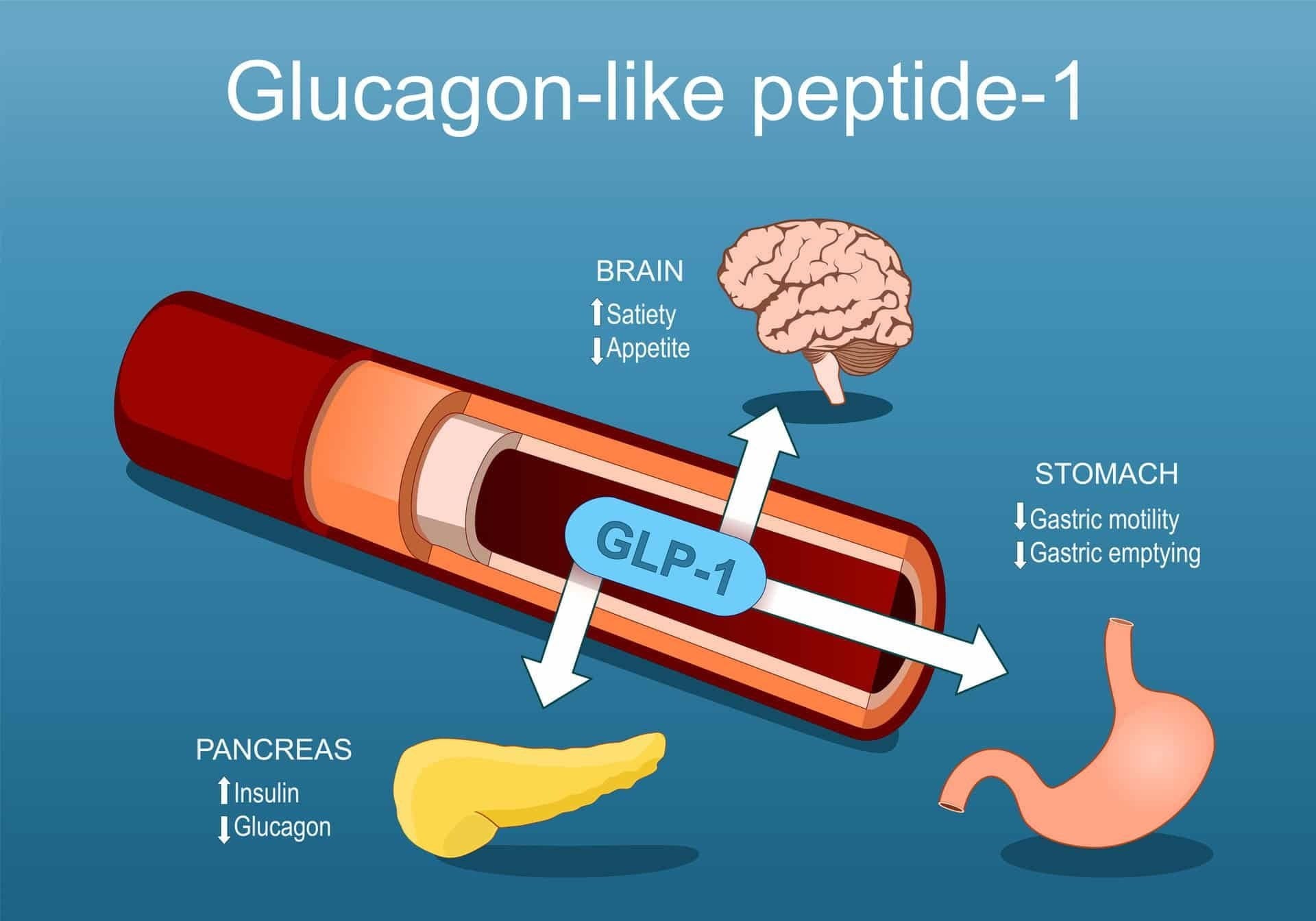
To understand how to support your metabolism, we need to understand what GLP-1 actually is. GLP-1 stands for Glucagon-Like Peptide-1. Don’t let the clinical name intimidate you, in simple terms, it is a peptide hormone produced primarily by specialized cells (called L-cells) in the lining of your lower intestines. Think of GLP-1 as your gut’s built-in satiety megaphone.

When you eat a meal, food travels down your digestive conveyor belt. As nutrients come into contact with your lower digestive tract, your L-cells sense them and immediately pick up the megaphone to broadcast a message to the rest of your body. First, it signals your pancreas to release insulin efficiently, which helps manage your blood sugar levels. Second, it communicates directly with your brain’s hypothalamus to say, “We are nourished, we have plenty of fuel, & we can stop hunting for food now.” Finally, it slows down gastric emptying, meaning it keeps food in your stomach just a little bit longer, so you feel physically full and satisfied for hours after a meal. It is a highly intelligent, natural feedback loop designed to prevent overeating and keep your energy stable. All this works in a rhythm in normal conditions, but what happens when this megaphone gets muffled?

When the gut cells fail to secrete enough GLP-1, or if the body loses its sensitivity to it, the consequences to your daily life are immediate. The brain never receives that “stop eating” notification, causing constant carbohydrate cravings, and a lingering sense of hunger even after you’ve just finished a full meal. That’s because your gastric emptying speeds up and your pancreas misses its cue to release insulin efficiently, your blood sugar spikes aggressively after eating and we all know what goes up drastically, crashes down dramatically. This roller coaster leaves you feeling chronically fatigued, physically unfulfilled, and biologically trapped in a cycle of fat storage

How Ozempic and Mounjaro Mimic Your System

Because GLP-1 is incredibly effective at regulating appetite and blood sugar, pharmaceutical companies engineered medications to copy it. Drugs like Ozempic and Wegovy (semaglutide) are known as GLP-1 receptor agonists meaning they are molecular copycats designed to bind to your body’s GLP-1 receptors. However, there is a major difference between the hormone your gut makes and the medication, your natural GLP-1 has a half-life of only a few minutes before an enzyme breaks it down, whereas these medications are chemically altered to circulate in your bloodstream for an entire week at vastly higher doses.

Mounjaro and Zepbound (tirzepatide) take this process a step further. They don’t just mimic GLP-1, they are dual-acting peptides that target both GLP-1 and GIP (Gastric Inhibitory Polypeptide), creating an even more aggressive double-signal to the brain to suppress hunger. These medications cause you to lose fat by dramatically turning down the constant, intrusive mental alarm, telling you to snack or eat. Because your stomach stays full significantly longer and your brain constantly receives a signal, you naturally eat far fewer calories, leading to rapid weight and fat loss.

The Missing Link: Why Biochemistry Fails Without a Mindset Shift

This brings us to a harsh but necessary truth that I share with every client –

If you change your biochemistry without transforming your mindset, nothing will work in the long run.

While medications forcefully alter physical hunger cues, they cannot heal your emotional relationship with food. Initially, clients enter a “honeymoon phase” where appetite is quietened, fat loss happens, and relief sets in. But a psychological breaking point inevitably arrives. They realize medication can mute their appetite, but it cannot quiet the chronic stress, trauma, cortisol, or emotional exhaustion driving them to seek comfort in food. Relying solely on an external tool to block your body’s signals is simply putting tape over your car’s warning light.

Eventually, clinical data catches up to what I witness firsthand. In the landmark STEP 1 trial extension study, researchers tracked participants for a full year after stopping semaglutide. The results confirmed exactly what I troubleshooted in my daily practice. Within one year of stopping the medication, participants regained a staggering two-thirds of the weight they lost. When the underlying mental environment, daily habits, and core relationship with food do not evolve, the weight returns, leaving you facing defeat. True metabolic freedom never comes from forcing your physiology into submission; it only happens when we work together to align your mindset and nervous system with your biology.

How does GLP1 affect the gut lining?

Keeping a healthy mindset is just one aspect, but I want to tell you that GLP-1 meds are doing no good even to the gut lining. First, they target the smooth muscles of the stomach triggering delayed gastric emptying and severely slowing transit time across the entire gastrointestinal tract. This prolonged stagnation fundamentally disrupts our internal ecosystem, causing vital, health-promoting bacterial strains to dramatically diminish. Because the gut environment becomes stagnant and deprived of diverse fiber, essential strains like Bifidobacterium and short-chain fatty acid-producing bacteria begin to die off, taking our natural gut resilience with them. Instead of the lightness and vibrant energy you expect from losing weight, you start to feel incredibly heavy, causing a severe slowdown that leaves you trapped with agonizing constipation, constant bloating, and trapped gas. This further disrupts your gut bacterial diversity, and this prolonged lack of motility creates a perfect storm for Small Intestinal Bacterial Overgrowth (SIBO). Because the natural sweeping waves of the gut are paralyzed, bacteria are allowed to sit, ferment, and multiply in the small intestine where they simply do not belong.

A clinical data published in the ⁠American Journal of Gastroenterology confirms this exact risk, tracking a distinct association between GLP-1 receptor agonist use and the development of diagnostically confirmed SIBO. By altering the gut’s immune environment and mucosal integrity, these medications trade your long-term metabolic health and digestive function for immediate weight loss.

The Food-First Approach: Natural Ways to Optimize Your GLP-1 Production

If you want to step away from synthetic intervention and naturally amplify your body’s own GLP-1 production, the solution lies right on your plate. Here’s how I use functional nutrition to trigger the intestinal L-cells to release this hormone naturally, safely, and gently.

First, I introduce fermentable, soluble fiber. I guide clients to eat gluten-free rolled oats, sabja seeds, flaxseeds, lentils, and beetroot or rice kanji so their gut microbes can feast. When bacteria ferment these fibers, they produce short-chain fatty acids (SCFAs) like acetate, propionate, and butyrate. Clinical studies prove these SCFAs acts like molecular keys, binding directly to receptors on our L-cells and triggering native GLP-1 release.

Next, I teach my clients the “Protein-First” principle. I emphasize starting meals with high-quality proteins like tofu, edamame, hemp hearts, or adding fermented yeast protein into roti dough or dals. As protein breaks down into amino acids and oligopeptides, it stimulates nutrient-sensing receptors in the lower gut. This creates an immediate, natural release of satiety hormones that slows down gastric emptying without synthetic chemicals.

However, after months of forceful appetite suppression, many clients fear eating normally. They panic over a nourishing plate, driving them to chronically starve their bodies or cut out vital nutrients. I show them that aggressively restricting carbohydrates stresses the metabolism, drops thyroid function, and blunts their natural GLP-1 response. Introducing low-GI, complex carbohydrates like boiled sweet potatoes, quinoa, buckwheat, foxtail millet, and ragi stabilizes blood sugar. Pairing these complex carbs with protein prevents sharp spikes and allows L-cells to release GLP-1 in a steady, controlled manner.

Restructuring the plate is only half the battle; calming the nervous system is non-negotiable. If a client sits at the table gripped by anxiety, their body enters a “fight-or-flight” response. Clinical research confirms that when stress deprives the gut of blood flow, intestinal L-cells literally shut down, paralyzing GLP-1 production. Simple practices like deep, diaphragmatic breathwork or box breathing before meals activate the vagus nerve. Shifting into a “rest-and-digest” state lowers cortisol, restores GI blood flow, and signals safety to the brain.

Lastly, I incorporate polyphenol-rich, bitter foods and healthy fats like dark chocolate (70-85%+), green tea, dandelion tea, and extra virgin coconut or olive oil. These foods wake up deep, hidden gut receptors, triggering a cellular cascade that gives the metabolism a natural nudge. By changing how they build their meals, I help my clients reclaim control of their metabolic signaling from the inside out.

The Bottom Line: Your Journey Back to Connection

At the end of the day, your body is constantly communicating with you through your physical system and the everyday environment you create for it. Your metabolism is not a math problem to be solved with restriction or synthetic suppression; it is a living, breathing biofeedback loop that craves balance. If you have been feeling disconnected from your body, or if you’ve been searching for a quick fix to quiet the noise, please hold space for yourself and practice self-compassion. Real, lasting health begins when we stop trying to overpower our biology and instead start nourishing it with curiosity, real food, and a mindful, supportive internal dialogue.

Let’s chat in the comments, share our stories, and explore your next gentle steps toward true metabolic harmony together.

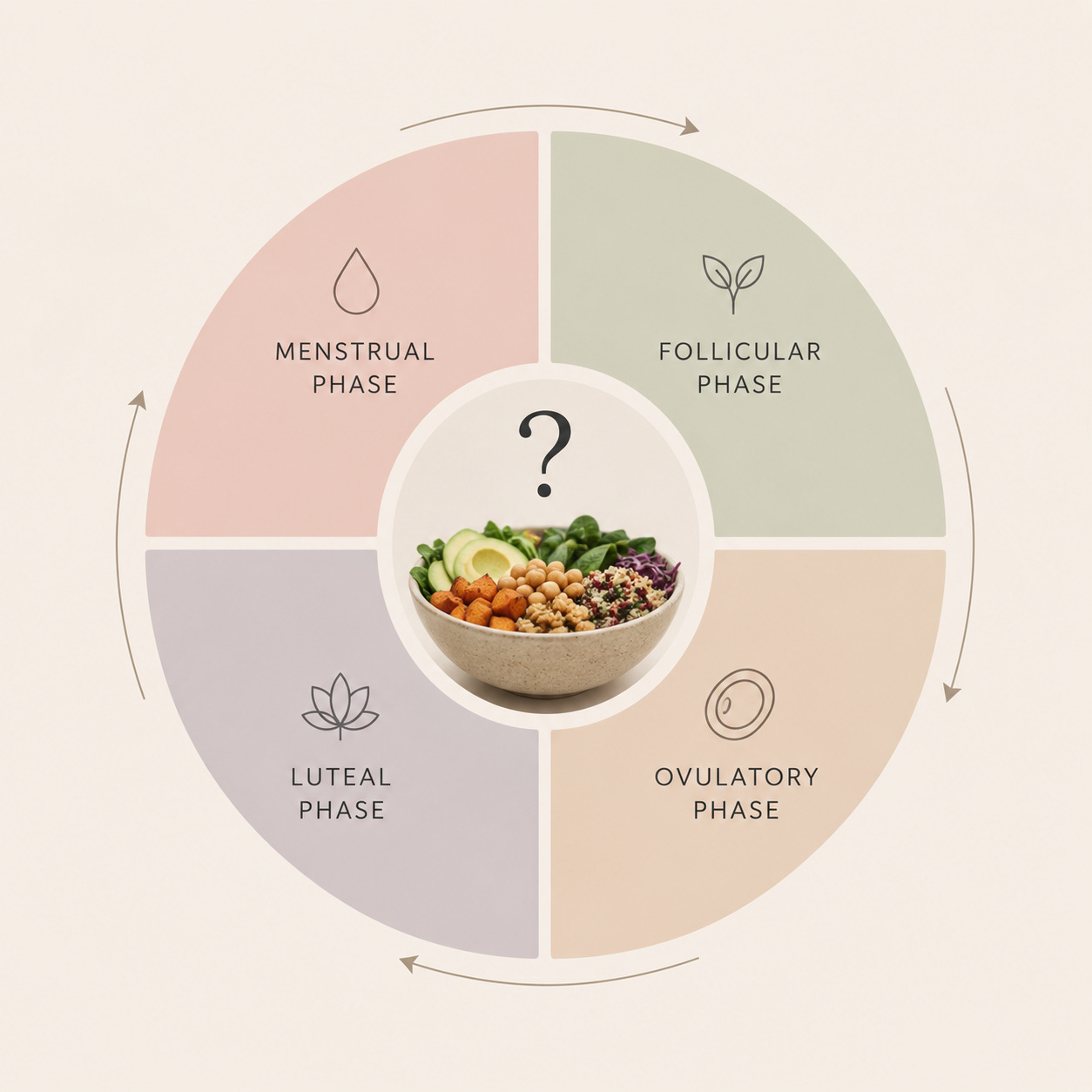
What Should You Eat During Each Phase of Your Menstrual Cycle?

What Should You Eat During Each Phase of Your Menstrual Cycle?

Let’s be real for a minute, women are expected to show up to work, hit the gym, and socialise at 100% capacity every single day of the year. But our biology operates on a completely different timeline. Men’s hormones reset every 24 hours, while women’s fluctuate across an intricate monthly cycle.

If you also find yourself feeling like a completely different person from one week to the next, you aren’t alone. You’re simply experiencing the natural rhythm of your hormones.

In the mainstream wellness world, we’re often told that painful cramps, overwhelming fatigue, mood swings, bloating, breast tenderness and uncontrollable sugar cravings are “just part of PMSing.” While some fluctuations are completely normal, symptoms that repeatedly interfere with your work, relationships, workouts, sleep, or overall quality of life deserve attention rather than dismissal.

So I’m here to tell you that your menstrual cycle isn’t something you have to fight every month. It’s valuable feedback from your body. Learning to nourish yourself according to the changing hormonal demands of each phase won’t eliminate every symptom overnight, but it can support more stable energy, better mood, fewer cravings, improved recovery, and a more comfortable cycle. Through this article, I want to help you understand how small, intentional changes in your nutrition can work with your hormones instead of against them.

Food Strategies to Maintain Energy Throughout Your Cycle

You might be wondering, “What can I do if I don’t want to rely only on painkillers or medication to feel better? Well, the answer lies in using food as medicine to support your natural rhythm

Rather than dramatically changing your diet every week, I recommend building your meals around whole foods while making small adjustments that match your body’s changing needs.

So let’s dive into what each phase looks like hormonally, and uncover exactly how to feed your body during each unique shift.

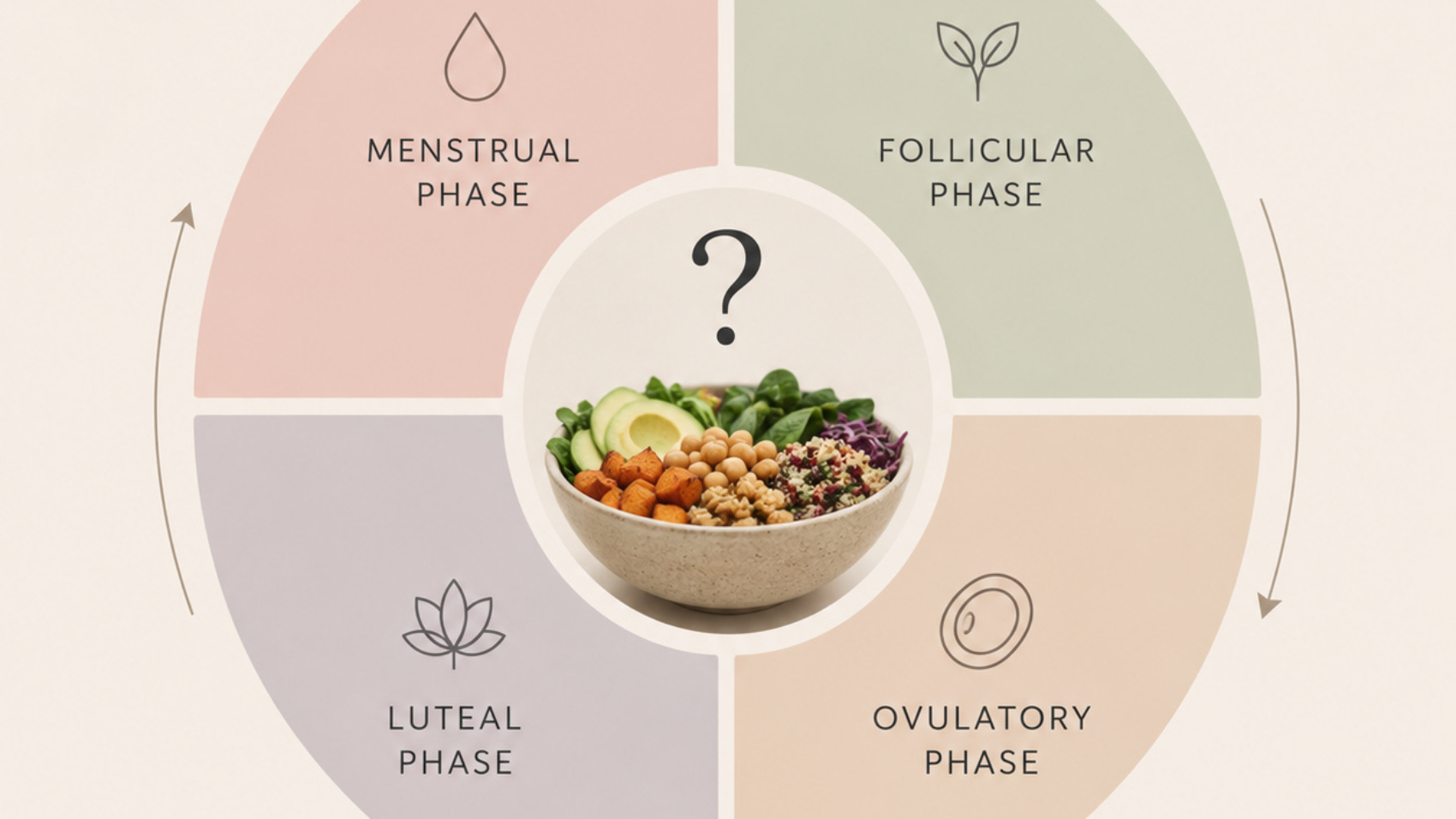
Phase 1 : Menstrual Phase (Days 1–5)

Your menstrual phase marks the beginning of your new cycle. Here, both estrogen and progesterone fall sharply, signalling the uterus to shed its lining. This hormonal shift is accompanied by the release of compounds called prostaglandins, which help the uterus contract and expel its lining. While these contractions are necessary, excessive prostaglandins can also contribute to cramps, headaches, nausea, and even digestive symptoms.

In fact, many women notice changes in their bowel habits during their period. Research has shown that gastrointestinal symptoms such as diarrhea, constipation, bloating, abdominal discomfort, and nausea are common around menstruation, largely because prostaglandins don’t act only on the uterus they can also influence the muscles of the digestive tract. This is why many of my female clients experience loose stools, while others feel constipated during the first few days of their cycle.

Since you’re menstruating during this phase, it’s important to prioritize iron-rich foods such as spinach, red masoor dal, quinoa, red kidney beans, tofu, and garden cress seeds (halim seeds). Pair them with vitamin C-rich foods like amla, oranges, kiwi, strawberries, guava to enhance iron absorption. Including naturally sweet, nutrient-dense foods such as pomegranate, banana, and sweet potato can also help replenish antioxidants,  provide steady energy and curb the sugar cravings. Since a lot of uterine contractions and cramps occur, eat magnesium rich foods like pumpkin seeds, 70% dark chocolate, hemp hearts, chia seeds, quinoa. If you experience bloating and hormonal shifts during this phase, staying well hydrated and including potassium-rich foods such as coconut water, boiled sweet potatoes, pumpkin, and leafy greens can help support fluid balance. Warm soups, vegetable broths, herbal teas, are often gentler on the digestive system, making this a time to nourish your body rather than restrict it.

Phase 2: Follicular Phase (Days 6–13)

If you’ve ever noticed that there are certain days of the month when you wake up feeling lighter, more motivated, and surprisingly productive, this phase is often the reason why.

Once your period ends, your body gradually shifts its focus from shedding the uterine lining to preparing for the possibility of another pregnancy. Estrogen slowly begins to rise, encouraging a new ovarian follicle to mature. But estrogen doesn’t just influence reproduction, it also affects your brain, muscles, bones, skin, and metabolism. As these levels increase, many women naturally notice better concentration, improved mood, steadier energy, and greater motivation to exercise or be productive. It’s almost as though your body is gently saying, “Okay, I’m ready to build again.”

This is also the phase when many women become more insulin sensitive, meaning the body is generally better at handling carbohydrates and using them efficiently for energy. While every woman is different, this is commonly the time when they feel most like themselves.

From a nutrition perspective, I like to think of this phase as an opportunity to nourish and rebuild. During this specific phase, your body’s carbohydrate oxidation is at its highest, meaning you naturally burn carbs more efficiently for fuel. To support this metabolic shift, I like to slightly increase carbohydrate intake to make up a slightly higher portion of the daily plate with wholesome, clean sources like idli, dosa, quinoa, rice, lentils, millets.  Alongside these, a serving of legumes, tofu, tempeh, and healthy fats such as nuts, seeds, and avocado. This is also a wonderful time to include fermented foods like homemade plant-based curd, fermented vegetables, or kimchi if you tolerate them well. A healthy gut plays an important role in estrogen metabolism, and supporting your gut microbiome can help your body regulate hormones more efficiently throughout the rest of your cycle.

Rather than trying to eat less, use this phase to build a strong nutritional foundation. The nourishment you give your body now doesn’t just support this week, it prepares you for the hormonal shifts that are yet to come later in the cycle.

Phase 3 :Ovulatory Phase (Around Days 14–16)

In this phase you  genuinely feel like you’re thriving. Estrogen reaches its highest level, triggering a surge in luteinizing hormone (LH), which signals the ovary to release a mature egg. During this time, it’s common to feel more energetic, mentally sharp, confident, and even more social. Many women notice that their workouts feel stronger, recovery is quicker, and motivation comes more naturally.

But here’s something we don’t talk about enough, ovulation is actually an inflammatory event. While inflammation often gets a bad reputation, not all inflammation is harmful. The release of an egg is a carefully regulated inflammatory process that a body is designed to handle. However, just like any process that increases metabolic activity, it also generates oxidative stress. That’s one of the reasons why this phase benefits from a diet rich in antioxidants and anti-inflammatory nutrients.

This is the perfect time to continue prioritizing high-quality protein to support muscle recovery and hormone production. Build your meals around colourful vegetables, berries, citrus fruits, tomatoes, nuts, seeds, and healthy fats such as avocado and extra virgin olive oil. Cruciferous vegetables like broccoli, cauliflower, cabbage, and Brussels sprouts are especially critical during this phase. They contain a powerful compound called Diindolylmethane (DIM), which supports the liver in safely breaking down and flushing out excess estrogen. Right now, estrogen levels need to start dropping gradually to make room for progesterone till we hit the luteal phase. If estrogen remains high even in the luteal phase, it can delay menstruation and trigger severe estrogen dominance symptoms like intense mood swings, painful bloating, and heavy periods. To aid this process, lean on foods naturally rich in zinc and selenium, including pumpkin seeds, chickpeas, legumes, and Brazil nuts. Hydration deserves special attention during this phase as well because it supports circulation, nutrient transport, temperature regulation, and overall cellular function. So include ajwain or fennel seeds water, dandelion tea, coconut water when appropriate, and water-rich fruits like water chestnuts, oranges, plum, kiwi, celery, cucumber to help meet their hydration needs.

Phase 4: Luteal Phase (Days 15–28)

This is the phase where I see the most frustration among my clients. One week ago, they felt motivated, energetic, and in control. Suddenly, they’re craving chocolate, feeling bloated, clothes feel tighter, workouts feel harder, and even the smallest inconvenience makes one emotional.  

After ovulation, progesterone becomes the dominant hormone while estrogen begins to decline gradually. Progesterone has a naturally calming effect on the nervous system, but as both hormones start declining in the days leading up to your period, many women notice mood changes, fatigue, breast tenderness, constipation, bloating, and increased appetite. Interestingly, research also suggests that fat oxidation increases slightly during the late luteal phase, which means your body may genuinely require a little more support of good fats. So if you’re feeling hungrier than usual, that isn’t a lack of discipline or willpower, it’s physiology.

This phase is also vital for supporting progesterone, the hormone that keeps you calm and stabilizes your uterine lining. Incorporating saffron water, soaked black raisins, sesame seeds,sunflower seeds, basil seeds water, provides the essential nutrients your body needs to manufacture progesterone naturally. To curb the sugar cravings include foods like bananas, 70% dark chocolate  and alkalized cacao,  as they aid muscle relaxation and calm the nervous system. Finally, minimizing processed, high-sodium foods will help reduce bloating and keep you feeling your best. To reduce bloating during the luteal phase, apply a castor oil patch on your navel overnight, which relies on ricinoleic acid and heat to relax abdominal muscles and ease trapped gas. For concurrent breast tenderness, try gently massaging with evening primrose oil along with a few drops of castor oil. This natural oil contains gamma-linolenic acid (GLA), an anti-inflammatory fatty acid that helps balance hormone sensitivities in breast tissue.

During this phase, don’t fight your body, just observe it as a third person, let it pass through you. Your hormones are asking for rest, not punishment or any questions. 

The Bottom Line

Your menstrual cycle isn’t something that needs fixing, it’s something worth understanding. Learning how your hormones influence your appetite, energy, mood, and recovery allows you to make more informed decisions instead of blaming yourself for feeling “off.”

You don’t need a completely different diet every week. Sometimes, a few thoughtful adjustments in your meals, movement, and recovery are enough to help your body feel supported throughout the month.

If you’re struggling with painful periods, severe PMS, irregular cycles, persistent fatigue, or hormonal imbalances, remember that these symptoms deserve attention. Understanding the root cause is always more powerful than simply masking the symptoms.

Let’s chat in the comments below, or book a root-cause discovery call with me to create a personalized nutrition and lifestyle plan that works with your hormones, not against them.

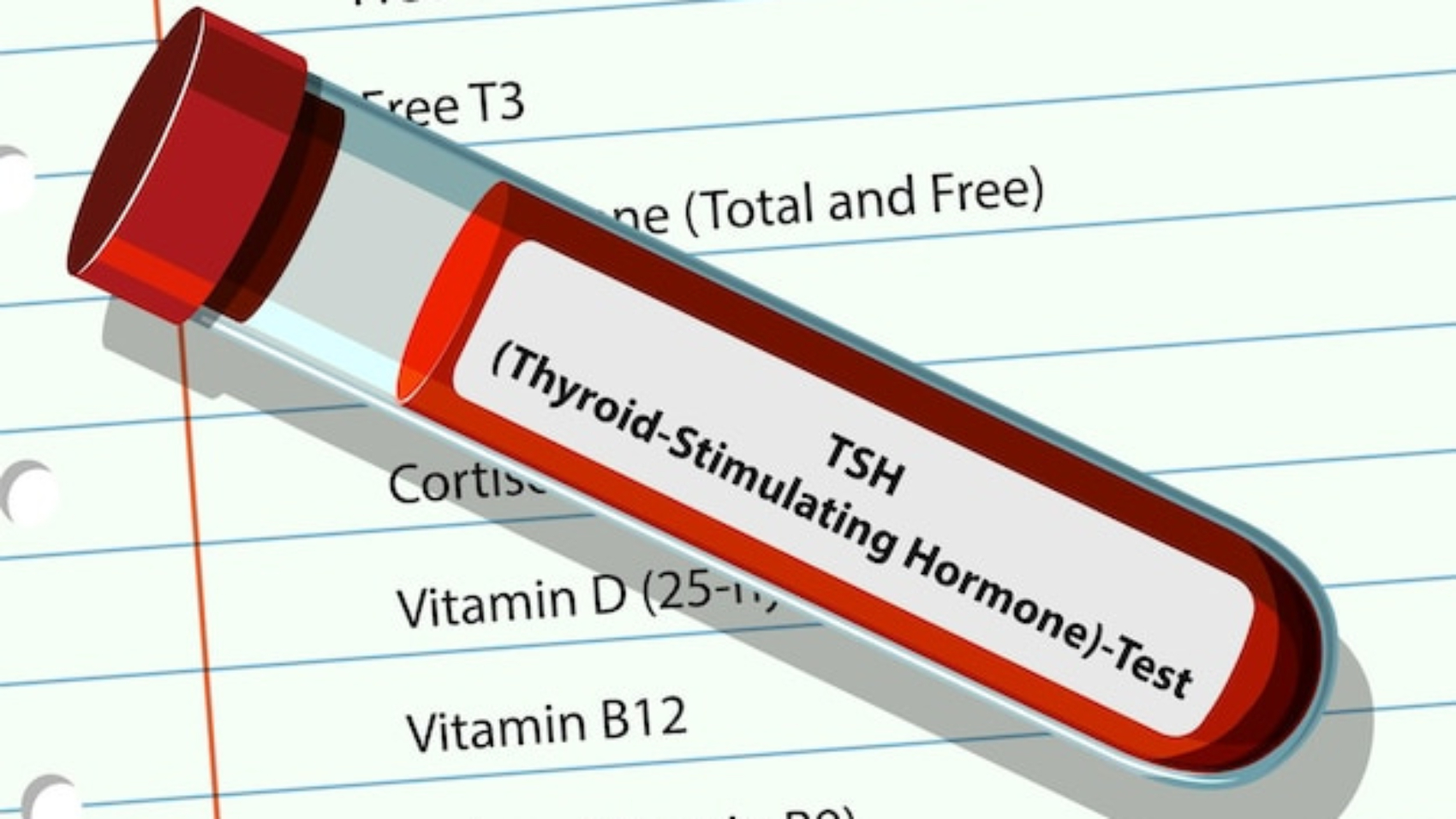
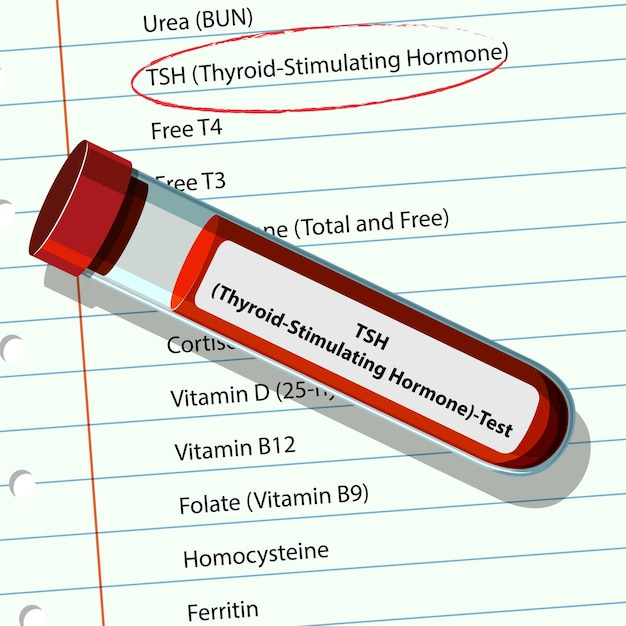
IS TSH THE ONLY MARKER TO DETECT THYROID?

IS TSH THE ONLY MARKER TO DETECT THYROID?

One of the biggest lessons thyroid health has taught me is that symptoms don’t always read the lab report. Time and again, I’ve met individuals who were reassured that everything looked “normal” because their TSH fell within the reference range, yet they were battling relentless fatigue, unexplained hair fall, brain fog, constipation, and a metabolism that seemed to have slowed to a crawl.

When someone walks into my clinic searching for these answers after being told, “Everything looks fine,” I see someone who’s confused, vulnerable, looking for support and simply wants to feel like themselves again. When someone places that trust in me, I believe it comes with a responsibility to give them the best care I can, look beyond a single laboratory value, ask better questions, and understand what their body is trying to communicate rather than dismissing their symptoms.

This trust pushed me to dig deeper into thyroid physiology. The more I learned, the more I realized that relying on TSH alone often tells only one part of a much larger story. If you truly want to understand thyroid health, you have to look beyond a single marker, connect to the different pieces like your symptoms, hormone levels, conversion, immune activity, and overall physiology, to understand why your thyroid may not be functioning optimally.

Conventional medicine often treats TSH (Thyroid Stimulating Hormone) as the primary marker for assessing thyroid health, and in many cases, treatment decisions, including whether to start or adjust thyroid hormone replacement such as thyroxine are guided largely by this value alongside the overall clinical picture. So today, I want to pull back the curtain on what the research tells us about the limitations of relying on TSH alone for understanding everyday energy, metabolism, and thyroid function & the additional markers that can help complete the picture.

What TSH Actually Is ?

TSH, or Thyroid Stimulating Hormone, is a signaling hormone produced by the pituitary gland, located at the base of your brain. Its primary role is to regulate how much thyroid hormone your thyroid gland should produce at any given moment.

This entire process is controlled by the Hypothalamic-Pituitary-Thyroid (HPT) axis. It begins in the hypothalamus, a part of the brain that constantly monitors your body’s energy demands. When it senses that circulating thyroid hormone levels are falling, it releases TRH (Thyrotropin-Releasing Hormone), which travels to the pituitary gland. In response, the pituitary releases TSH into the bloodstream. TSH then travels to the thyroid gland, where it binds to receptors on thyroid cells and stimulates the production and release of the inactive thyroid hormone T4 (thyroxine) and small amounts of the active form T3 (Triiodothyronine). Then T4 gets converted to T3. As thyroid hormone levels rise, they signal back to the brain to reduce TRH and TSH production. This continuous feedback loop helps maintain thyroid hormone balance.

Because TSH is the bridge between the pituitary gland and the thyroid gland, conventional medicine uses it as the primary screening marker for thyroid dysfunction. Laboratory reference ranges generally consider values between approximately 0.4 and 4.5 mIU/L to be normal. But functional medicine, however, aim for a narrower range of around 0.5–2.0 mIU/L in symptomatic individuals, as this range reflects optimal thyroid physiology

The Mismanagement Flaw 

Let’s take this one step further because this is where things get really interesting.

This is what I often refer to as a cellular mismatch.

Once your thyroid gland releases T4, it still needs to be converted into its active form, T3, before your cells can actually use it to produce energy, regulate metabolism, maintain body temperature, support healthy hair growth, and keep your brain functioning optimally.

Here’s where the limitation of TSH begins.

The brain has a remarkable ability to preserve its own supply of active thyroid hormone, even during periods of chronic stress or illness. As a result, it may continue signaling that everything is functioning normally, keeping your TSH within the reference range.

The rest of the body, however, doesn’t always have the same advantage.

Organs such as the liver, gut, muscles, and other tissues are far more sensitive to factors like chronic stress, inflammation, poor gut health, prolonged calorie restriction, illness, and deficiencies of nutrients such as selenium, zinc, and iron. These factors can reduce the conversion of T4 into active T3, leaving your cells with less hormone than they need to function optimally.

This means your brain may believe thyroid hormone levels are adequate while the rest of your body continues to experience symptoms like fatigue, brain fog, constipation, hair fall, poor exercise recovery, and a sluggish metabolism.

Some researchers have also proposed that inherited genetic variations may further reduce the body’s ability to convert T4 into active T3. This could help explain why a small group of people continue to experience persistent thyroid symptoms despite having “normal” blood tests and receiving standard T4 treatment. Although this remains an area of ongoing research, it reinforces an important message: a normal TSH doesn’t always reflect how well thyroid hormone is functioning at the cellular level.

The 3 Blind Spots of the TSH Test

This brings us to one of the biggest limitations of relying on TSH alone. While TSH is an important screening tool, it has three significant blind spots that can sometimes leave people searching for answers despite being told their thyroid is “normal.”

The first blind spot is thyroid hormone conversion. Your thyroid gland mainly produces T4, it first has to be converted into its active form, Free T3. This conversion takes place primarily in the liver, gut, kidneys, but factors such as chronic stress, inflammation, poor gut health, illness, and deficiencies of nutrients like selenium, zinc, and iron can reduce this conversion. The result? Your TSH may look perfectly normal because your brain believes enough hormone is available, while your cells may still be receiving less active thyroid hormone than they need.

The second blind spot is what happens during prolonged physiological stress. When your body perceives that it’s under stress whether from illness, chronic inflammation, inadequate calorie intake, sedentary lifestyle, consumption of Inflammatory foods or seed oils or ongoing emotional stress it sometimes shifts thyroid hormone metabolism away from producing active T3 and instead produces more Reverse T3. Think of Reverse T3 as the body’s way of applying the brakes. Rather than encouraging your cells to burn energy, it reflects an adaptive response aimed at conserving energy during challenging conditions. This is one reason why some people continue to feel fatigued and metabolically sluggish even though their TSH remains within the reference range.

Lastly, the autoimmunity. The most common cause of hypothyroidism is Hashimoto’s thyroiditis, an autoimmune condition in which the immune system gradually attacks the thyroid gland. What’s remarkable is that thyroid antibodies particularly TPO and thyroglobulin antibodies can become elevated years before thyroid hormone levels or TSH begin to change. During that time, many individuals experience symptoms such as fatigue, brain fog, hair fall, joint aches, or unexplained weight changes while routine thyroid screening continues to appear “normal.” Looking for thyroid antibodies allows us to identify this autoimmune process much earlier and understand whether the immune system, rather than the thyroid gland alone, is contributing to the bigger picture.

It makes me wonder, if so many factors can influence how thyroid hormones are produced, converted, and utilized & autoimmune activity can exist long before TSH changes then why are so many people assessed primarily through a single TSH value and prescribed Levothyroxine?

What a Real, Complete Thyroid Panel Looks Like

Hence, I almost always recommend a comprehensive thyroid panel rather than relying on TSH alone. It helps me identify whether the issue lies in hormone production, hormone conversion, or an underlying autoimmune process instead of simply guessing. More importantly, it allows me to explain exactly why I’m recommending certain dietary changes, supplements, or lifestyle modifications. I believe that understanding the “why” behind a treatment plan builds trust, improves adherence, and empowers people to take an active role in their own healing.

TSH (Thyroid Stimulating Hormone)

TSH tells me how strongly the pituitary gland is signaling the thyroid to produce more hormone. It’s an important starting point, but it doesn’t tell me how much hormone is actually reaching your cells or whether it’s being converted into its active form.

Free T4

Free T4 is the storage form of thyroid hormone released by your thyroid gland. Think of it as the raw material. Having enough Free T4 is important, but it still needs to be converted into active T3 before your body can actually use it. 

Free T3

Free T3 is the biologically active thyroid hormone. It influences energy production, metabolism, body temperature, mood, digestion, exercise recovery, and healthy hair growth. Low Free T3 can often explain why someone continues to experience classic thyroid symptoms despite having a “normal” TSH.

Total T3

Similarly, Total T3 reflects both free and protein-bound T3 circulating in the blood. In certain clinical situations, it can provide additional insight into thyroid hormone status and help complete the overall picture when interpreted alongside Free T3 and the rest of the thyroid panel.

Total T4

While Free T4 measures the hormone available for immediate use, Total T4 measures both the free hormone and the portion bound to transport proteins in the bloodstream. Looking at both values together can provide a better understanding of overall thyroid hormone production and transport.

Reverse T3 

Reverse T3 isn’t part of every thyroid work-up, but in the right clinical context it can provide another important piece of the puzzle. During chronic stress, illness, inflammation, prolonged calorie restriction, or inadequate nutrition, the body may convert more T4 into Reverse T3 instead of active T3 as a way of conserving energy.

TPO & Thyroglobulin (TG) Antibodies

These markers help identify Hashimoto’s thyroiditis, the most common cause of hypothyroidism. Thyroid antibodies can become elevated years before TSH changes, allowing us to detect autoimmune activity much earlier and intervene before significant thyroid damage occurs.

No single blood marker can tell the complete story. Every parameter answers a different question. It’s only when we interpret them together alongside your symptoms, medical history, lifestyle, and nutritional status that we begin to understand how your thyroid is truly functioning.

The Bottomline 

The goal of this article isn’t to convince you that TSH is an unimportant test. It isn’t.

But to make you understand that thyroid physiology is far more complex than a single laboratory value. Your thyroid isn’t an isolated organ, it’s part of an intricate network involving your brain, liver, gut, immune system, nutritional status, and every single cell that depends on thyroid hormones to produce energy.

That’s why I believe your symptoms deserve as much attention as your blood reports.

If you’re constantly being told that your thyroid is “normal” despite experiencing fatigue, hair fall, constipation, brain fog, difficulty losing weight, or feeling unlike yourself, don’t ignore what your body is trying to tell you. Sometimes, the missing answers aren’t found in a single number; they’re found by putting all the pieces of the puzzle together.

Let’s chat in the comments below, or book a root-cause discovery call with me to map out a personalized strategy as per your health goals

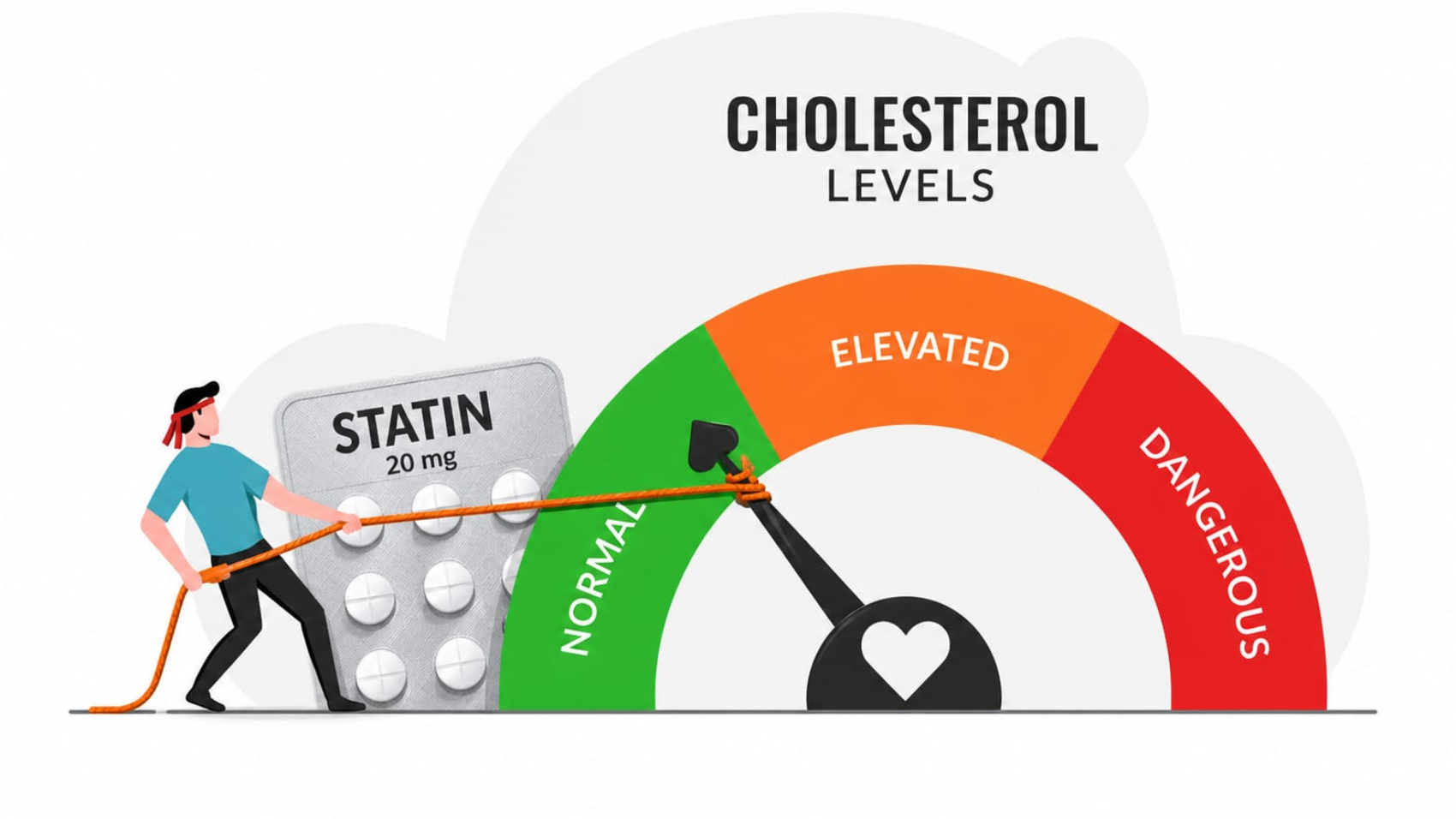
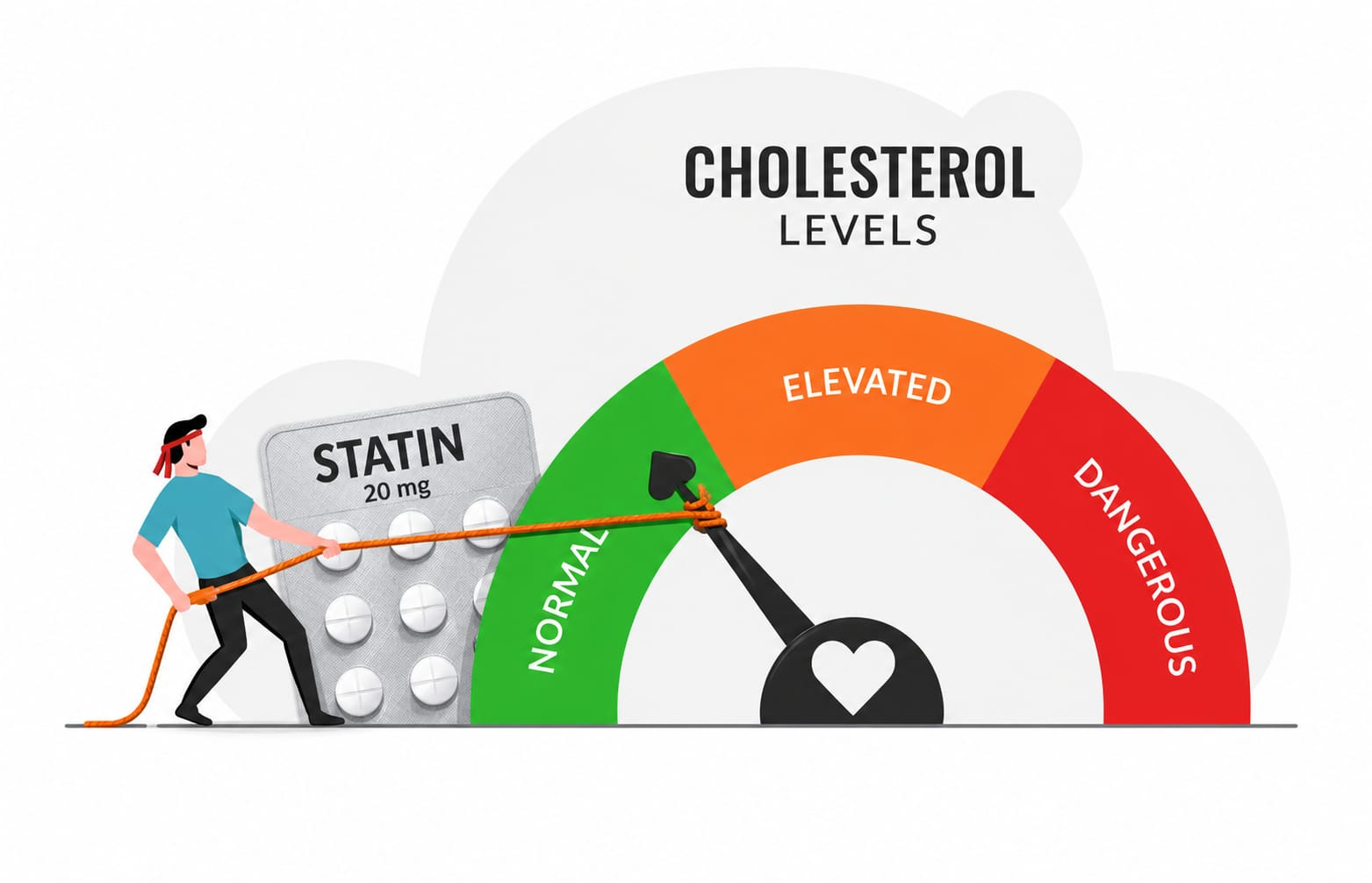
The Cholesterol Trap - What Your Doctor Isn't Telling You About Your Heart Health

The Cholesterol Trap – What Your Doctor Isn’t Telling You About Your Heart Health

If you’ve ever seen that your cholesterol is high, you already know how the story goes. You get your bloodwork back. Your doctor circles a number in red. The conversation immediately shifts to risk, prevention, and medication.

And more often than not, the solution offered is a statin.

The message is simple:

“Your cholesterol is high.”

“High cholesterol causes heart disease.”

“Lower cholesterol, and you lower your risk.”

It sounds so obvious, right? But the problem is that the human body is not a spreadsheet. As a functional nutritionist, I have always believed that instead of focusing on one laboratory marker being haywire, we must ask why it became abnormal in the first place. So today, I’ll tell you why mainstream medicine’s favorite pill might be doing your body more harm than good, and how you can actually protect your heart without sacrificing your vitality.

The Root Cause vs. the Wrong Target

Let’s clear something up right away. If you have advanced cardiovascular disease, statins can be lifesaving. In functional medicine, they have their place and can work as a secondary treatment. But for the vast majority of people, statins are prescribed as primary prevention, meaning you have no history of heart disease, but your doctor prescribes them because your routine blood work shows total cholesterol beyond its clinical guideline.

Here is the problem: standard lipid panels only measure the weight of your LDL cholesterol, not the nature of the particles themselves. It’s like measuring how many cars are on a highway by simply weighing the entire highway without analyzing peak traffic hours and the frequency of vehicles.

Recently, shocking data was discussed on leading functional medicine expert Dr. Mark Hyman’s podcast, where cardiologist Dr. Aseem Malhotra revealed a staggering statistic: you often need to treat 50 people with a statin for many years just to prevent one single heart attack. Why? Because LDL cholesterol isn’t the primary driver of heart disease. Insulin resistance and chronic inflammation are. By focusing solely on forcing cholesterol numbers down, conventional medicine is essentially painting over the check-engine light.

What Statins Are Actually Doing to Your Body

When you block the body’s natural pathway for producing cholesterol (the HMG-CoA reductase pathway), you don’t just lower LDL. You trigger a cascade of systemic side effects that disrupt your cellular energy, your hormones, and your brain.

Here is what happens inside your biology when you take these medications:

1. Mitochondrial Poisoning & Muscle Pain

Statins inadvertently block the production of Coenzyme Q10 (CoQ10), a vital nutrient your cells’ mitochondria need to produce cellular energy (ATP). Without CoQ10, your cellular power plants begin to fail. This is why up to 20% of statin users experience debilitating muscle aches, weakness, and fatigue. Your muscles are quite literally starving for energy.

2. The Metabolic Backfire (Type 2 Diabetes)

Perhaps the most alarming side effect is the impact on your blood sugar. Studies show that statins can increase your risk of developing Type 2 diabetes by up to 50% overall, and by up to a shocking 71% in post-menopausal women. The very drug prescribed to protect your heart can induce the exact metabolic dysfunction that causes heart disease.

3. Brain Fog and Cognitive Decline

Your brain is the most cholesterol-rich organ in your body, accounting for about 20% of your body’s total cholesterol. It is crucial for building the myelin sheaths that insulate your nerves and allow brain cells to communicate. When you aggressively deplete this fat, many patients experience severe brain fog, memory gaps, and rapid cognitive decline.

4. Vitamin D & K2 Crash

Your skin actually needs cholesterol to convert sunlight into vitamin D. When you force cholesterol levels down too low, you severely reduce your vitamin D, which is the ultimate foundation for your immune system, bone health, and mood. On the other hand, statins block the proteins needed to transport vitamin K2. K2’s main job is to act like a traffic cop for calcium. It pushes calcium into your bones and teeth and keeps it out of your blood vessels. Depleting K2 can actually accelerate the hardening and calcification of your arteries.

The Functional Approach: True Cardiovascular Defense

If you want to truly protect your heart, you have to stop treating symptoms and start addressing root causes. Here is how I approach cardiovascular health in my practice.

Get the Right Testing

Stop relying on outdated lipid panels. If you want to truly protect your heart, we have to stop relying on an outdated 1970s lipid panel that only measures the weight of your cholesterol cargo. Instead, my practice focuses on advanced cardiovascular metrics that look directly at the specific proteins steering these fats through your bloodstream. This is where Apolipoprotein B (ApoB) and Apolipoprotein A1 (ApoA1) create a massive clinical difference.

Why ApoB and ApoA1 Change Everything

Standard LDL-C tests only tell us how much total cholesterol is trapped inside your LDL particles. They do not tell us how many actual particles are floating around. Think of it like this: a highway with two massive semi-trucks has the same “weight” of cargo as a highway packed bumper-to-bumper with 50 unstable, crashing motorcycles. The standard test only registers the weight, leaving you completely blind to the actual traffic danger.

Apolipoprotein B (ApoB): Every single plaque-causing particle, including LDL, VLDL, and its remnants, carries exactly one ApoB molecule on its surface. Measuring ApoB gives us a direct, absolute headcount of every dangerous, atherogenic vehicle in your blood. It completely bypasses the guesswork of standard LDL testing.

Apolipoprotein A1 (ApoA1): This is the structural protein attached to HDL, the “good” cholesterol carrier. ApoA1 acts like a garbage truck, actively clearing away excess fat from your tissues and hauling it back to the liver for recycling.

The ApoB/ApoA1 Ratio: This metric provides an ultra-precise picture of your systemic risk. A high ratio means you have far too many rogue vehicles causing damage and not enough clean-up trucks to clear the road.

Other parameters to look after:

  • Fasting serum insulin

  • hs-CRP

  • HbA1c

Fix the Food, Fix the Heart

Heart disease is a disease of inflammation, driven primarily by refined sugars, processed carbohydrates, and industrial seed oils like canola, soybean, and sunflower oil, which oxidize rapidly and cause direct damage to your arterial walls.

  • Instead, flood your body with good fats like cold-pressed extra virgin olive oil, avocados, coconuts, and raw walnuts.

  • To actively protect your blood vessels from oxidative stress, load up on vitamin C-rich foods like amla (Indian gooseberry), kiwi, citrus fruits, bell peppers, and leafy greens, which keep your arteries flexible and resilient.
    Finally, incorporate a daily cup of dandelion root tea, a potent liver-cleansing herbal remedy that supports optimal bile production, helping your liver naturally process, filter, and clear excess cholesterol from your bloodstream.

Strategic Supplementation

You want to protect your heart or reverse the nutrient drain caused by a prescription? Here is the functional baseline protocol I use in my practice:

  • High-Quality Algal Omega-3 (EPA + DHA): I recommend a high-quality plant based algal oil omega supplement with DHA of 500 to 1000mg per serving. Unlike flaxseeds, chia seeds, or walnuts, algal oil provides preformed long-chain omega-3 fatty acids that the body can readily utilize. These fatty acids help support cardiovascular health by reducing triglyceride levels, modulating inflammation, improving endothelial function, and maintaining the integrity and flexibility of cell membranes.

  • CoQ10 (or Ubiquinol): Absolutely non-negotiable and essential. This directly replaces what the drug depletes, keeping your cellular power plants firing and protecting you from severe muscle fatigue.

  • Vitamins D3 & K2: Vital for metabolic health and preventing arterial calcification. You must keep checking your levels once every 6 months via a reliable blood test and consult your functional nutritionist to adapt your precise therapeutic dosages over time.

  • Zinc (15–30 mg daily): Essential to replace the mineral reserves directly drained by statins. It acts as a vital antioxidant that protects the delicate lining of your blood vessels and accelerates cellular repair across inflamed endothelial tissues.

Supplementation purely depends on the individual’s parameters and should be taken under professional guidance.

The Bottom Line

My only purpose in writing this article today was to ignite a conversation and break the dangerous assumption that prescription medication is the only or ultimate cure for heart health. In our hyper-fast world, most people have been conditioned to think, “Oh, my cholesterol was high, but I took the pill, so I’m completely safe and good to go.”

I want you to look deeper at your lifestyle, your energy, and your actual metabolic health. Medications have their place in crisis management, but a lifetime pill should never replace a deep commitment to root-cause vitality. Let’s start treating the whole body, not just the blood work.

Let’s chat in the comments below or book a root-cause discovery call with me to map out a personalized strategy for your metabolic and cardiovascular health.

Endometriosis- What Years of Experience Taught Me

Endometriosis- What Years of Experience Taught Me

If pain had a talent for disguising itself, it would probably look a lot like endometriosis.

For one woman, it arrives as crippling menstrual cramps, for another, as unexplained infertility and for someone else, as relentless bloating, fatigue, digestive issues, or a body that simply doesn’t feel like her own anymore. Symptoms change but the frustration doesn’t.

What many of these women have in common is a long history of being told that their scans are normal, their blood work is perfectly fine, or that painful periods are simply something they need to learn to live with.

After years of working with women navigating endometriosis, I’ve come to appreciate just how complex this condition truly is. It’s not merely a gynecological disorder; it’s an intricate interplay between hormones, inflammation, immune function, metabolism, and lifestyle. That’s exactly why my approach has never been limited to symptom management alone.

Understanding Endometriosis Beyond “Bad Period Pain”

At its core, endometriosis is a condition where tissue similar to the uterine lining grows outside the uterus. But what makes the condition so complex is the environment in which these lesions survive. Research consistently shows that endometriosis is associated with chronic inflammation, immune dysfunction, oxidative stress, and estrogen dominance signaling.

In simple terms: The body becomes stuck in a cycle of inflammation. Inflammation fuels lesion activity. Lesions create more inflammation. And the cycle continues. But what makes endometriosis particularly challenging is that the body almost starts working against itself.

The lesions don’t just sit there quietly. They can continue to trigger inflammation, which may worsen pain and discomfort over time. In response, the body produces more inflammatory chemicals, creating a loop that’s difficult to break.

Researchers have also found that women with endometriosis often have changes in immune function. In simple words, the body’s “clean-up system” may not be doing its job efficiently, allowing these cells to survive and continue causing trouble.

This ongoing inflammation doesn’t just affect the pelvis. It can influence energy levels, digestion, mood, and even how the body responds to stress. Which is why so many women tell me, “It’s not just my periods, I don’t feel like myself anymore.” This is why many women experience symptoms that go far beyond their menstrual cycle fatigue, digestive issues, brain fog, mood disturbances, and persistent pelvic pain.

What I Look for In Practice

When a woman with endometriosis walks into my practice, I don’t immediately think about supplements. I start by asking a different question, what is making her symptoms harder to manage? Because while endometriosis itself may not show up on a routine blood test, the way the body is coping with it often does.

For instance, I almost always look at iron markers. Many women with endometriosis experience heavy menstrual bleeding, and over time, this can quietly deplete iron stores. Sometimes what appears to be “just fatigue” turns out to be a ferritin level that’s far from optimal. Vitamin D is another marker I pay close attention to. Beyond its role in bone health, vitamin D is involved in immune regulation and inflammatory pathways, both of which are highly relevant in endometriosis.

I also like to assess fasting insulin and HbA1c. Not because endometriosis is a blood sugar disorder, but because unstable blood sugar can amplify inflammation, cravings, energy crashes, and overall symptom burden. Inflammatory markers such as hs-CRP help me understand whether the body is sitting in a heightened inflammatory state. While they don’t diagnose endometriosis, they provide valuable clues about the internal environment we’re working with. I evaluate thyroid and liver function as well. The thyroid influences energy, metabolism, and menstrual health, while the liver plays an important role in processing and clearing hormones from the body.

None of these tests diagnose endometriosis. They simply help me understand the terrain in which endometriosis is operating. In my experience, when low iron stores, nutrient deficiencies, blood sugar imbalances, or inflammation are addressed, women often notice meaningful improvements in their energy, resilience, and day-to-day symptoms even while continuing to manage the condition itself.

Nutrition: My First Line of Support

Nutrition is often where the conversation becomes interesting. Over the years, I’ve noticed that many women with endometriosis aren’t necessarily eating “badly”, they’re simply unaware of how certain food choices may be adding to an already inflamed system. This is why my goal is never to put someone on a restrictive diet. The goal is to reduce the overall inflammatory burden on the body and create an environment that is more supportive of healing. In practice, this often means helping clients include more anti-inflammatory foods in their routine. For some women, that looks like increasing omega-3-rich foods such as walnuts, chia seeds, flaxseeds, and hemp seeds. For others, it’s simply about ensuring that every meal contains a good source of protein whether that’s tofu, edamame, tempeh, quinoa, legumes, or dals.

I also encourage a generous intake of fiber-rich foods. Not only do vegetables, fruits, legumes, whole grains, nuts, and seeds support gut health, but they also play an important role in hormone metabolism and regular bowel movements, both of which are particularly relevant in women with endometriosis. Equally important is reducing the foods that may add fuel to an already inflamed system. This often means gradually cutting back on ultra-processed snacks, sugary beverages, refined bakery products, and foods that contribute little nutritionally while increasing the body’s inflammatory burden.

The goal isn’t perfection. The goal is helping the body receive more of what supports it and less of what continuously stresses it.

The Biggest Shift

I focus on the entire ecosystem surrounding the condition whether that’s inflammation, gut health, blood sugar regulation, sleep quality, stress levels, iron stores, vitamin D status, magnesium intake, omega-3 consumption, or overall nutrient adequacy

For example, it’s not uncommon for me to find suboptimal vitamin D levels in women struggling with endometriosis. Magnesium is another nutrient I frequently think about, especially when pain, poor sleep, muscle tension, or heightened stress are part of the presentation. Omega-3 fatty acids also deserve attention, given their role in supporting a healthy inflammatory response.

Then there are the basics that often get overlooked: adequate protein intake, iron status, B12 levels, regular bowel movements, and blood sugar stability throughout the day.

None of these factors directly cause endometriosis. But they can influence how resilient the body is, how inflammation is regulated, and ultimately how a woman experiences her symptoms.

Because hormones do not function in isolation and neither does endometriosis The goal isn’t perfection. The goal is helping women understand their bodies a little better, support them a little more intentionally, and suffer a little less along the way.

The Bottom Line

Endometriosis is far more than painful periods. It’s a complex, whole-body condition that deserves a whole-body approach. While nutrition cannot cure endometriosis, understanding your body’s unique terrain and addressing the factors that fuel inflammation can make a meaningful difference in how you feel, function, and heal over time.

If this resonated with you, let’s chat in the comments below, or book a root-cause discovery call with me to map out a personalized strategy aligned with your health goals.
The Lie of the "Normal" Iron lab

The Lie of the “Normal” Iron lab

Iron deficiency remains one of the most common nutritional deficiencies in the world, and India continues to carry a significant share of that burden. According to national surveys, anemia affects a large proportion of the population across age groups, making low iron status far more common than most people realize yet what makes me curious is that iron deficiency doesn’t always announce itself through anemia.

As a Functional Nutritionist, this is often the space that interests me the most. The space where the body has just started compensating for declining iron stores, so standard blood reports may not appear alarming enough to raise concern. The space where a person is constantly tired, struggling with hair fall, finding it harder to recover from exercise, feeling unusually cold, or battling brain fog but is repeatedly reassured that everything looks “normal.” This is because iron deficiency is a gradual process. Our body is designed to preserve the energy in order to sustain the danger. Before hemoglobin begins to drop, before anemia is diagnosed, the body starts making subtle adjustments to preserve its most essential functions.

Thanks for reading! Subscribe for free to receive new posts and support my work.

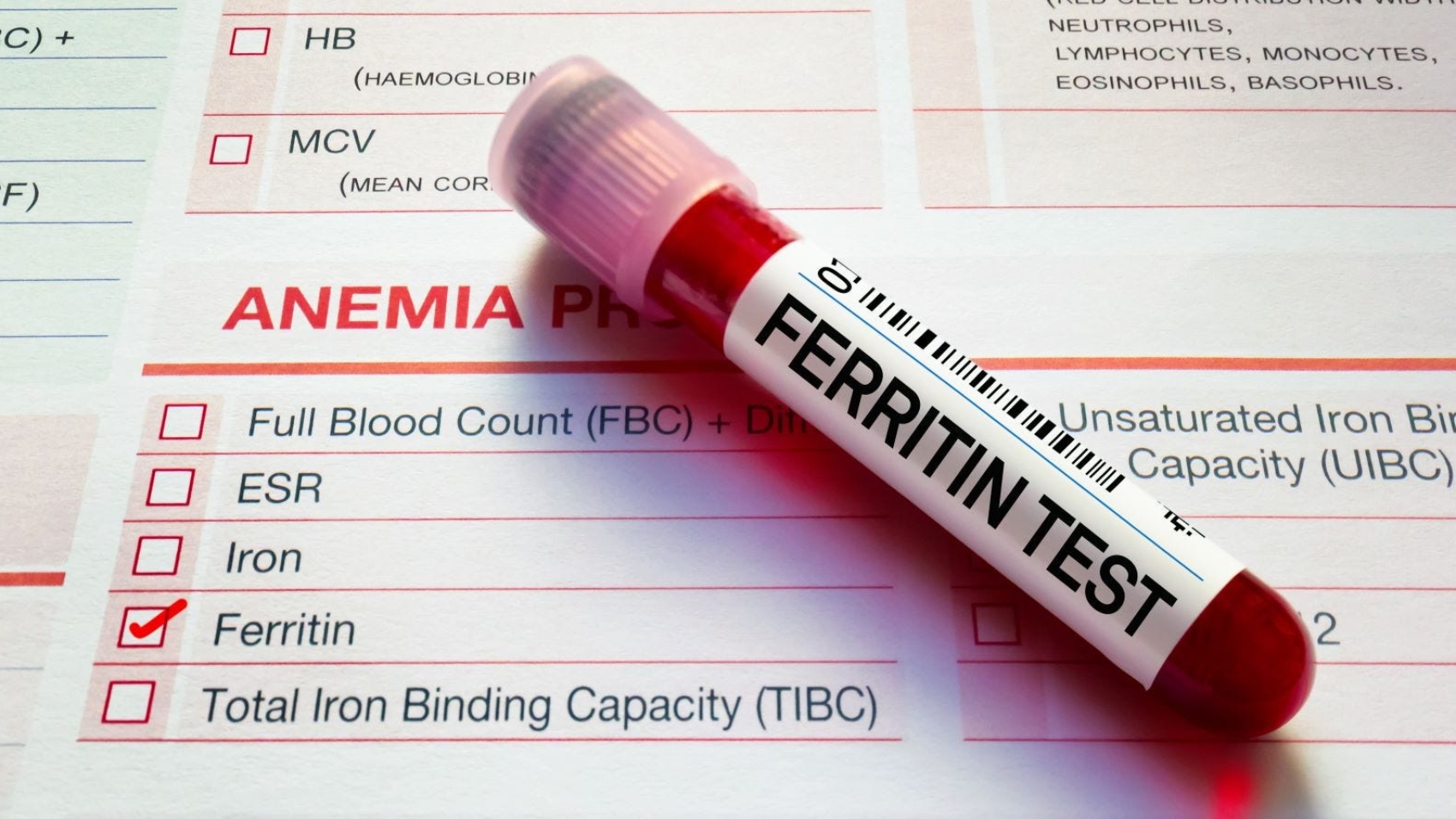
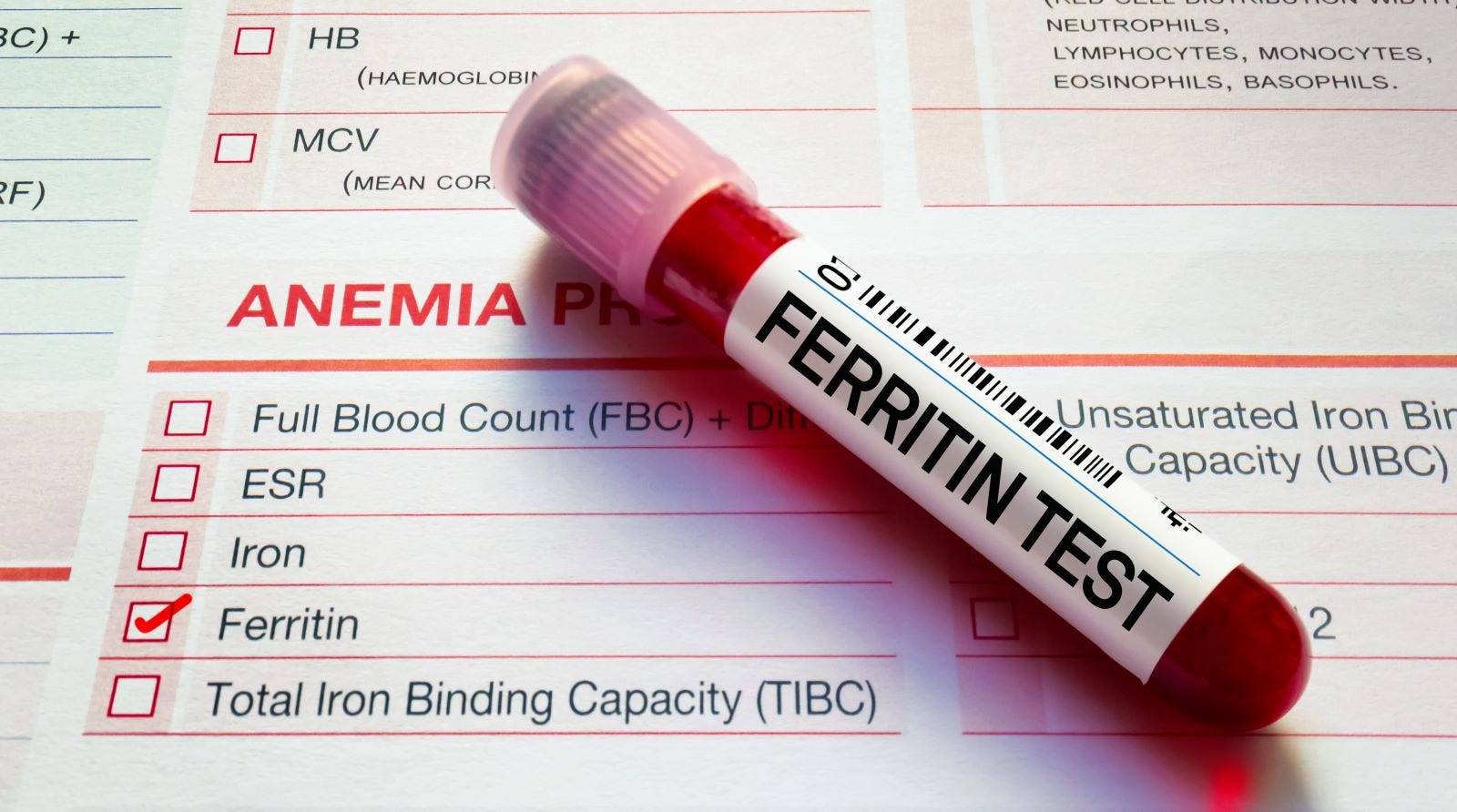
And this is where ferritin becomes an incredibly valuable marker. Ferritin reflects the body’s stored iron reserves. In many cases, these reserves begin declining long before anemia appears on a blood test. By just paying attention to ferritin, I’m able to identify a problem much earlier, when the body is still compensating, rather than waiting until it is completely depleted. That’s how I fix the root cause!

Looking Beyond the Lab Range

One of the core principles of functional medicine is that health exists on a spectrum. Rather than asking whether a marker is simply “normal,” we ask whether it is optimal. For instance, a ferritin level of 15 ng/mL may technically fall within the laboratory reference range, but that doesn’t necessarily mean the body has adequate iron reserves to support energy production, thyroid function, cognitive performance, healthy hair growth, and overall well-being. This is where the difference between conventional and functional interpretation often becomes important. Hence, I only focus on identifying the stage long before symptoms progress into a diagnosable deficiency.

Research suggests that ferritin levels below 30 ng/mL are often indicative of depleted iron stores, even when other markers may still appear “normal.” That’s why I consider the levels in the range of 50–150 ng/mL to be a more supportive range for optimal physiological function. My goal is simple, to create an environment where the body has the resources it needs to thrive.

The Hormonal Domino Effect

This cellular bankruptcy quickly creates a domino effect across your entire hormonal ecosystem, starting with your thyroid. Iron is required for the activity of thyroid peroxidase, an enzyme involved in thyroid hormone synthesis. When iron stores become depleted, the body may struggle to produce and utilize thyroid hormones efficiently, contributing to symptoms such as low energy, poor concentration, a sluggish metabolism, and increased sensitivity to cold.

Hair health can also be affected. Hair follicles are among the most metabolically active tissues in the body and require a steady supply of nutrients, including iron, to remain in their growth phase. When iron stores begin to decline, the body prioritizes more critical functions, often leaving hair follicles with fewer resources than they need to thrive. The result can be increased hair shedding, reduced hair density, and slower regrowth. Sometimes a compromised gut lining, chronic digestive issues, or inflammatory gut conditions can reduce the body’s ability to absorb iron efficiently. In other cases, inadequate stomach acid may be the missing piece, since an acidic environment is essential for liberating iron from food and making it available for absorption. For women, heavy menstrual bleeding, fibroids, endometriosis, and other menstrual irregularities can gradually deplete iron stores over time. And occasionally, persistently low ferritin may warrant further investigation for hidden blood loss from ulcers or other gastrointestinal conditions.

What makes iron deficiency particularly challenging is that it often appears as a collection of seemingly unrelated complaints: difficulty concentrating, poor exercise tolerance, low mood, brittle nails, restless legs, frequent headaches, or a lingering sense that your energy and resilience are not what they once were.

Rebuilding Iron Stores: Food First, Supplements When Needed

When it comes to improving ferritin levels, I always start with food before reaching for a supplement. Iron-rich foods such as lentils, beans, garden cress seeds, pumpkin seeds, sesame seeds, raisins, dates and dark leafy greens provide the building blocks needed to replenish iron stores.

However, intake is only one part of the equation, absorption matters just as much.

Pairing iron-rich foods with vitamin C sources such as lemon, amla, guava, citrus fruits, or bell peppers can significantly enhance iron absorption. At the same time, habits like consuming tea or coffee alongside meals interfere with iron uptake and are often worth addressing. Digestive health also plays a crucial role, as adequate stomach acid and a healthy gut environment are essential for extracting and absorbing iron efficiently.

In some cases, dietary changes alone may not be enough, particularly when ferritin has remained low for an extended period. Strategic supplementation can then become a valuable tool. The form of iron matters here, iron bisglycinate is often preferred over conventional forms such as ferrous sulfate due to its superior tolerability and absorption profile.

It’s equally important to remember that iron does not work alone. Nutrients such as vitamin C, vitamin A, copper, folate, vitamin B12, and vitamin B6 all contribute to healthy iron metabolism and red blood cell production.

Ultimately, restoring iron status isn’t simply about increasing iron intake. It’s about creating the right conditions for the body to absorb, utilize, and retain it effectively.

The Bottomline

Ferritin may appear as a small number on a blood report, but anyone who has experienced low iron knows it rarely feels small. The fatigue, poor recovery, brain fog, reduced stamina, and day-to-day struggle with energy can quietly influence every aspect of life. Which is why the conversation shouldn’t end with whether a value falls inside a reference range. It should begin with understanding why those reserves became depleted in the first place and what the body needs to rebuild them because the goal isn’t simply to achieve a “normal” result. It’s to have the energy to live well.

If you’d like a deeper, root-cause analysis of your blood work and personalized guidance, let’s book a discovery call with me to map out a personalized strategy for your health.

Thanks for reading! Subscribe for free to receive new posts and support my work.

H Pylori: Is Antibiotics the only way to treat it ?

H Pylori: Is Antibiotics the only way to treat it ?

A few years ago, if someone complained of acidity, bloating, or frequent burping, the advice was usually simple.

“Don’t eat spicy food.” “Have some antacid.” “Your digestion is weak.”

Thanks for reading! Subscribe for free to receive new posts and support my work.

And to be honest, many people are still following the same advice today.

What fascinates me is how common digestive discomfort has become. We’ve normalized carrying antacids in our bags, keeping digestive tablets in our kitchen drawers, and blaming every symptom on stress or outside food. The burning sensation after meals, bloating that makes your stomach feel stretched by evening, constant burping, and heaviness that lingers for hours after eating. But sometimes there’s a deeper reason behind these symptoms, one that many people have never even heard of.

That reason is Helicobacter pylori, more commonly known as H. pylori. Despite affecting a significant portion of the global population, H. pylori remain relatively unknown outside medical and nutrition circles. Many individuals live with it for years without realizing that a bacterium may be contributing to their digestive complaints.

In this article, I want to shift the conversation away from simply “killing the bacteria” and focus on something equally important: creating an internal environment that supports healing. Because while treatment matters, what you eat every day also matters.

What exactly is H. pylori?

Before we label H. pylori as the villain, there’s something important to understand.

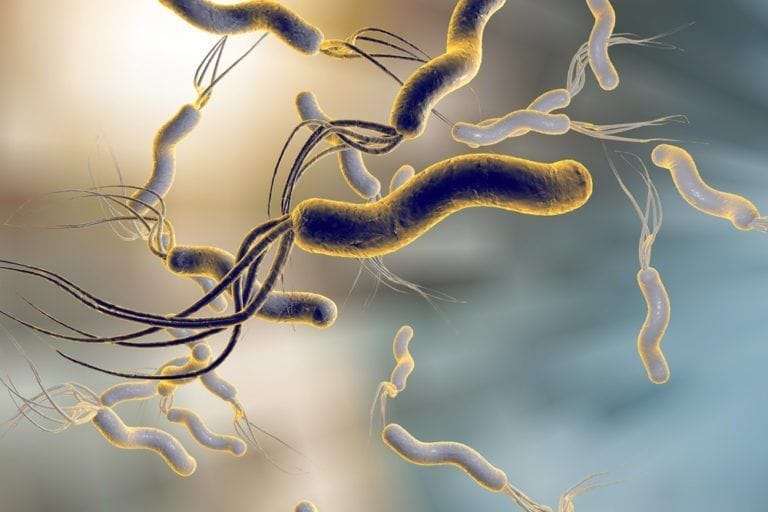
Helicobacter pylori (H. pylori) is a spiral-shaped bacterium that has coexisted with humans for thousands of years. In fact, nearly half of the world’s population carries it, yet many people never develop symptoms. So, simply having H. pylori isn’t always the problem.

Interestingly, when H. pylori exist in small numbers and remains in balance with the rest of the stomach environment, it has beneficial roles. It contributes to immune system development, the regulation of stomach acidity, and the production of hormones such as ghrelin, which influences appetite and energy balance. This may explain why millions of people carry the bacteria throughout their lives without experiencing any digestive complaints.

The trouble begins when that balance is lost.

Factors such as chronic stress, a diet consisting of ultra-processed foods, smoking, excessive alcohol intake, frequent use of acid-suppressing medications like proton pump inhibitors (PPIs), repeated courses of antibiotics, poor sanitation, or anything that weakens the stomach’s protective mucus layer can create an environment where H. pylori begins to multiply beyond the body’s ability to control it.

As its numbers increase, the bacteria gradually damage the stomach’s protective lining, allowing inflammation to build over time. This process is usually slow and silent, which is why many people initially dismiss symptoms like bloating, nausea, frequent burping, a bitter taste in the mouth, early fullness, heaviness after meals, or persistent acidity as “just poor digestion.”

But what often appears to be a sudden digestive problem is, in reality, the result of an imbalance that may have been developing quietly for months or even years. Left unaddressed, this chronic inflammation can progress to gastritis, peptic ulcers, impaired absorption of nutrients such as iron and vitamin B12, and, in some individuals, increase the risk of more serious gastric complications.

What Happens Inside the Gut?

One of the biggest misconceptions I encounter is that H. pylori is only a stomach problem. In reality, its effects often extend far beyond the stomach. When inflammation develops within the stomach lining, digestion can become less efficient, leading to nausea, loss of appetite, stomach pain, and an unusual taste. Food may remain in the stomach longer than it should. Protein digestion may become compromised. Nutrient absorption may begin to suffer. This becomes particularly important because the stomach is the first major step in the digestive process. When that step is impaired, the consequences can ripple throughout the entire digestive system. Over time, some individuals may begin experiencing symptoms like fatigue, brain fog, hair loss, poor concentration, reduced exercise recovery, and low energy levels.

Research has shown associations between H. pylori infection and lower levels of nutrients such as iron and vitamin B12 in certain individuals. This is one reason why addressing the digestive environment becomes so important, rather than focusing solely on symptom management.

The Antibiotics Part No One Talks About

I want to be very clear about something: antibiotics absolutely have a place in H. pylori treatment. In many cases, they can successfully eradicate the bacteria. However, where the conversation becomes dangerously incomplete is what happens afterward. Many clients complete their grueling antibiotic course, receive a negative test result, and yet continue to suffer from chronic digestive symptoms. Worse, a few months later, they experience a full-blown relapse.

Why does this happen?

Because killing a pathogen and rebuilding an ecosystem are two completely different things. Antibiotics may reduce H. pylori, but they act like a carpet bomb, wiping out the beneficial gut microbes that act as your primary defense system. Studies show that antibiotic therapy slashes microbial diversity and alters the balance of good gut organisms. So, when you finish treatment and fail to fix the damaged, inflamed stomach environment, you leave the door wide open. If you do not rebuild the gut lining, lower stress, and remove inflammatory foods, the terrain remains broken. The next time you are exposed to H. pylori, or if a tiny fraction of the original bacteria survives, it bounces back with a vengeance.

But this time, it is much worse. The bacteria have evolved.

Just as humans adapt to survive, bacteria are masters of evolution. When exposed to antibiotics without the host’s terrain being fundamentally healed, H. pylori mutates. It develops mechanisms to pump the medication out of its cells or shield itself entirely, becoming resistant to the treatment.

This is the cycle of antibiotic resistance. When H. pylori mutate, the standard medications stop working. This is exactly how people get trapped on a medical merry-go-round, taking round after round of harsher drugs, destroying their microbiome while never truly finding relief. That is why I always say and believe: “All disease begins in the gut, and the cure must begin in the gut, too.” You cannot just kill the bad; you must change the environment so the bad can no longer survive.

How I Focus on Improving the Gut Terrain

When I work with someone diagnosed with H. pylori, our conversations don’t begin with supplements. They begin with understanding what the stomach needs to heal.

I often ask people to imagine a scrape on their skin. You wouldn’t expect it to heal if it were being irritated every few hours. An inflamed stomach lining works in much the same way. Every meal can either calm that inflammation or add to it.

That’s why my nutritional approach isn’t centered around “starving” or “killing” the bacteria with food. Diet alone cannot eradicate H. pylori. Instead, my goal is to reduce irritation, support the stomach’s protective mucus layer, improve digestion, and create an internal environment that complements medical treatment and allows the tissue to repair.

Foods I Temporarily Eliminate

One of the first things I discuss with my clients is that healing isn’t only about adding the right foods; it also means reducing the things that keep irritating an already inflamed stomach.

During the initial phase of healing, I often recommend temporarily reducing foods that either promote inflammation or trigger digestive symptoms. This isn’t because these foods “cause” H. pylori, but because they can make it much harder for an already damaged stomach lining to repair itself.

For many individuals, this means taking a short break from gluten, dairy, raw vegetables, highly acidic foods, excessive chili and spices, processed foods, and, where appropriate, foods such as corn and peanuts if they consistently aggravate symptoms. Raw vegetables, despite being nutritious, demand more mechanical digestion and may feel uncomfortable when the stomach lining is inflamed. Highly processed foods contribute very little nutritionally while often promoting systemic inflammation, and heavily spiced or acidic meals can further irritate an already sensitive gastric mucosa.

I also encourage clients to temporarily avoid common triggers such as coffee, strong tea, alcohol, aerated beverages, and energy drinks. Caffeine and carbonated drinks can aggravate symptoms like acidity, excessive burping, and bloating, while alcohol directly irritates the stomach lining and slows the healing process. The goal is simply to give the stomach a period of calm so it can begin rebuilding its protective mucus barrier.

Foods I Encourage

Once we’ve reduced the constant irritation, the next step is providing the body with the nutrients it needs to repair.

I encourage plenty of gently cooked or steamed vegetables such as spinach, carrots, pumpkin, okra, beetroot, and sweet potatoes. I usually prefer them steamed because steaming softens the tough plant fibers (cellulose), allowing your body to more easily absorb their generous amounts of beta-carotene and vitamin A, which support the regeneration of the stomach lining.

Colorful berries such as blueberries, raspberries, cranberries, our own Indian gooseberry (amla), kiwi, and sweet lime are another staple. They’re naturally rich in polyphenols, anthocyanins, and vitamin C. Clinical studies show this specific plant compounds prevent H. pylori from being able to physically glue itself to your stomach wall. These foods act like a natural “Teflon coating” for your stomach, forcing the bacteria to slip off and be flushed out. Amla (gooseberry) is especially critical because its high vitamin C content provides the raw material needed to rebuild gastric collagen and heal micro-ulcers.

Herbs and spices also deserve a place at the table, but the right ones. Carom seeds can help ease nausea, bloating, and delayed stomach emptying, while turmeric provides curcumin, a well-studied compound known for its anti-inflammatory properties. I also like incorporating saunf in small amounts for its supportive role in digestion and gut health. Meanwhile, fresh ginger is a potent natural prokinetic; it helps move food smoothly out of the stomach and into the small intestine, preventing the painful post-meal heaviness, fermenting gas, and bloating that H. pylori cause.

Pomegranate juice, high-quality green tea, and alkalized pure cacao powder also deserve a place in the diet. These act as natural antimicrobials that suppress the enzyme (urease) that H. pylori use to neutralize your stomach acid.

Healthy fats are equally important. Extra virgin olive oil, coconut oil, avocado, walnuts, pumpkin seeds, hemp hearts, flaxseeds, and chia seeds provide essential fatty acids and polyphenols that help support cell membrane integrity and tissue repair while contributing to a less inflammatory internal environment.

No single food can eliminate H. pylori. But when we consistently remove the foods that irritate the stomach and replace them with foods that nourish, repair, and support the gut lining, we create an environment where healing becomes much more possible.

CALMING THE NERVOUS SYSTEM

I can design the most nutrient-dense meal plan and recommend the right supplements, but if someone is living in a constant state of stress, healing often becomes much slower than it needs to be. Hence, the approach has always been holistic because I see the whole body, not just the symptoms.

Digestion is one of the first functions the body downregulates when it perceives stress. Instead of investing its energy in breaking down food and repairing the stomach lining, the body shifts its priority toward survival. Over time, this can influence digestive secretions, slow tissue repair, alter immune function within the gut, and make it harder for the stomach to recover from ongoing inflammation.

This is why I spend just as much time talking about the nervous system as I do talk about nutrition.

One practice I frequently recommend is something called Box Breathing. Before your meal, take 10 minutes to inhale for four seconds, hold for four seconds, exhale slowly for four seconds, and pause again for four seconds. Repeat this for three or four rounds.

It may seem surprisingly simple, but this brief pause helps activate the body’s “rest and digest” response through the vagus nerve. Many of my clients notice they eat more mindfully, digest their meals more comfortably, and feel less bloated when they make this small ritual part of their day. I also encourage Bhramari Pranayama (the humming bee breath). The gentle humming creates soothing vibrations around the face and throat while promoting slower, deeper breathing. Many people find that it helps quiet a busy mind and brings a greater sense of calm before eating.

Another habit I value is stepping outside for 10–15 minutes of morning sunlight soon after waking. Morning light helps regulate our circadian rhythm, supports healthy cortisol patterns, and often improves sleep quality, an important but frequently overlooked pillar of gut repair.

For those who enjoy mindfulness or spiritual practices, meditation, gratitude, and journaling can also become meaningful parts of the healing journey. While these practices are not treatments for H. pylori itself, they may help reduce perceived stress and cultivate a greater sense of emotional well-being, which can positively influence the gut-brain connection.

Sometimes, supporting your gut isn’t about adding another supplement.

Sometimes, it’s about reminding your body that it’s finally safe enough to heal.

The Bottom Line

Recovery from H. pylori does not begin and ends with a prescription. In reality, healing is often a much longer process.

The bacteria may be eliminated within weeks. The digestive system may require months to fully recover. This is why I encourage clients to think beyond eradication and focus on restoration.

Support the stomach lining.

Rebuild microbial diversity.

Prioritize nutrient-dense foods.

Reduce unnecessary irritation.

Give the body the raw materials it needs to repair itself. Because the ultimate goal isn’t simply testing negative for H. pylori. The goal is creating a digestive system that feels resilient, comfortable, and capable of supporting long-term health.

If you really want to heal the root cause of your health, let’s chat in the comments below or book a root-cause discovery call with me to map out a personalized strategy for your gut health.

Thanks for reading! Subscribe for free to receive new posts and support my work.

Could People Pleasing Be Causing You Inflammation?

Could People Pleasing Be Causing You Inflammation?

We have been conditioned to believe that goodness is staying kind in all situations. We are taught from a very young age that being flexible, accommodating, and endlessly patient is the gold standard of a good character. So, we learn to soften our edges. We smile when we are exhausted. We swallow our boundaries to keep the room comfortable. We say a pleasant, half-hearted “yes” when every cell in our body is screaming “no.”

We call it harmony, but your biology calls it a threat. As someone who spends every day looking at the deeper patterns of human health, I see a striking trend. People arrive at my door with pristine food journals. They avoid the seed oils, they drink the detox teas, follow every trend and they buy the high-grade supplements. Yet, their inflammatory markers remain stubborn. Their digestion is sluggish, and their fatigue is deeply rooted. When your lifestyle is completely flawless, but your body is still burning with systemic inflammation, the culprit isn’t on your plate. It is the silent, exhausting energetic leak of choosing compliance over authenticity.

The Anatomy of a Half-Hearted “Yes”

What happens to a boundary when it is swallowed instead of spoken? It doesn’t just disappear into thin air. Every unspoken “no” is an emotional debt that your physical tissue has to pay. Centuries ago, Traditional Chinese Medicine (TCM) practitioners didn’t look at the body as an isolated machine, but as a living garden. They understood that health depends entirely on the smooth, uninhibited flow of life force energy (Qi).

In this ancient theory, the Liver is considered the “General” of the body, responsible for ensuring that this energy moves freely and gracefully through every channel, but the Liver has a vulnerability: it stores unexpressed frustration, resentment, and the daily friction of burying your own truth. When you chronically force a “yes” to accommodate others, you create what Eastern medicine calls Liver Qi Stagnation, meaning a blockage that piles up your unspoken frustration. Think of it like a wild, rushing river that has suddenly been dammed up by a wall of compliance. The water stops moving. It becomes heavy, thick, and toxic. In nature, when things stagnate for too long, they begin to ferment and create physical heat (Inflammation). You will experience symptoms like irritability, mood swings, demotivated, PMS symptoms throughout the month in case of females, just general frustration with the world, bloating, tightness in stomach, feeling of a lump in your throat that won’t go away when you are stressed, headaches, tight jaw, forgetting to take a deep breath for long then suddenly frequent sighing.

To dissolve this situation, your kitchen must become a tool for movement. Your Liver thrives on the color green and slightly sour or bitter tastes. Flood your body with dark greens like spinach and dandelion greens and add a fresh squeeze of lemon or lime to your water to gently stimulate bile production and break up physical tension. Most importantly, clear that toxic buildup of your bloodstream with a daily cup of roasted dandelion root or chrysanthemum tea. What is fascinating here is that all of these traditional foods are the exact same ones we recommend in modern functional nutrition. Science shows that bitter greens and sour citrus are packed with powerful antioxidants and compounds that switch off inflammatory pathways in the gut and optimize your liver’s detoxification.

The Burden of Emotional Digestion

Traditional Chinese Medicine also teaches that the Spleen is the powerhouse of our digestion, responsible for breaking down food and turning it into vital energy. But the Spleen also digests our experiences. The psychological behavior that completely collapses the Spleen is obsessive worry, overthinking, and endless mental rumination. This is the exact, frantic mental loop of a recovering people-pleaser:

“Did I say the wrong thing?” “Are they upset with me because I didn’t help?” “How can I fix this so everyone likes me?”

This constant, anxious hyper-vigilance completely drains your vital energy. When your Spleen Qi is starved, your physical digestion fails. You experience bloating, food intolerances, and an inability to absorb nutrients. You are quite literally trying to digest the toxic energy of your own suppressed feelings, leaving your gut inflamed and your cellular health compromised. Your nervous system simply cannot feel safe when you are constantly abandoning yourself to keep others comfortable. You will experience symptoms like low digestion, IBS, loose stools, lacking a real desire to eat but intense craving for sweets as the body is searching for artificial happiness/ energy. While the liver needs to be cooled and moved, the Spleen needs to be warmed and protected. The absolute worst thing for a weak Spleen is cold water, iced smoothies, raw salads, and dairy; these act like a bucket of ice water dumped onto a struggling campfire, paralyzing your gut. Instead, stoke your inner metabolic oven with warm, cooked, easily digestible foods. Lean into naturally sweet, grounding root vegetables like sweet potatoes, pumpkins, and carrots, and enjoy slow-cooked stews and broths infused with warming spices like ginger, cardamom, and cinnamon. Exactly the same approach we take for IBS cases or for gut healing!

The Hard Thing That Saves You

We often think that setting a boundary or saying a firm “no” is a harsh, aggressive act. We worry it will break our relationships or make us look selfish. But I want to offer you a completely different perspective here: doing that hard thing is an act of cellular preservation.

When you finally choose the momentary discomfort of an authentic “no” over the long-term resentment of a resentful “yes,” something miraculous happens to your biology. Your nervous system drops out of a chronic fight-or-flight state. Your liver energy unlocks. Your cells stop swimming in a sea of stress hormones, and the fires of systemic inflammation finally begin to cool down. Your body does not have a statin deficiency, and it certainly doesn’t have a deficiency in “being nice.” It has a boundary deficiency.

You must be thinking – how can I practically move away from this cellular depletion and step into true preservation?

So when I host healing retreats, I watch people carry years of unsaid “nos” physically trapped in their tight jaws, heavy shoulders, and sluggish digestive tracks. To release this gridlock, we must practice practical ways to resolve it . Our brain gets a quick signal when we do a few things by action or purposely every single day. So here are two highly effective, actionable tricks I use and teach to guard your cellular health:

First is the 24-Hour Buffer Trick: Never give an immediate “commitment” on the spot. When a demand is made on your time, use the phrase, “Let me check and get back to you by tomorrow.” When you use this phrase , no person is going to be furious and this brief pause removes the people-pleasing panic, drops your nervous system out of an immediate fight-or-flight trigger, allowing you to evaluate your true capacity from a place of biological safety.

Another transformative practice I live by comes from the philosophy of Focus on What Matters. Every morning, identify your few non-negotiable core priorities, your health, your family, or it can be anything. If a new request does not directly serve those vital areas, it is automatically a “no.” By filtering your day through what truly matters, you stop wasting your finite energy on minor social obligations and preserve your physical life force.

A Moment to Pause and Recalibrate

My only purpose in writing this today is to make you pause and look at your health through a much wider lens. You can take every supplement on the planet, but you cannot heal a body that you are constantly forcing to hide its truth.

True anti-inflammatory living isn’t just about what you put into your mouth. It is about what you allow to leave it.

The next time you are faced with a choice that drains your spirit, violates your peace, or stretches your capacity to a breaking point, remember this: Saying “no” to someone else is often the most profoundly healing, anti-inflammatory “yes” you can ever give to yourself.

If this article resonated with you, share your thoughts in the comments or book a root-cause discovery call, and let’s work together to support both your emotional and physical well-being.

The Missing Link In IBS Recovery

The Missing Link In IBS Recovery

Some people often talk about IBS as a digestive disorder. Yet, some of the strongest predictors of symptom severity aren’t found in my clients’ food diaries. They’re found in sleep patterns, stress levels, emotional health, workload, and the capacity to recover from daily demands. It means the gut and the nervous system are far more interconnected than most people realize.

IBS Is More Than What You Eat

Before we dive in deep, let’s quickly understand what IBS actually is.

Thanks for reading! Subscribe for free to receive new posts and support my work.

IBS, or Irritable Bowel Syndrome, is a functional gastrointestinal disorder characterized by symptoms such as bloating, abdominal pain, constipation, diarrhea, or a combination of both.

It can present as:

  • IBS-C (constipation predominant)

  • IBS-D (diarrhea predominant)

  • IBS-M (mixed type)

While these categories help us understand symptom patterns, they don’t explain why those symptoms occur. And that’s where the gut-brain connection becomes important.

Your Gut Is Constantly Listening to Your Brain

One of the most fascinating things about digestion is that it doesn’t actually begin in your stomach; it begins in your brain.

Think about it. The moment you see food, smell something delicious, start preparing a meal, or even think about what you’re going to eat, your body is already getting to work. Signals are sent through the nervous system, preparing your digestive tract to receive, break down, and absorb that food. This happens because your gut and brain are in constant communication through what we call the gut-brain axis, a complex network involving the vagus nerve, hormones, immune signals, the gut microbiome, and even the nervous system embedded within your digestive tract. In simpler terms, your brain is constantly talking to your gut, and your gut is constantly talking back. This is exactly why digestion isn’t influenced only by what you eat. It’s also influenced by how you feel.

Have you ever noticed butterflies in your stomach before a big event? Or felt nauseous when you were anxious?

Maybe you’ve had an urgent trip to the bathroom before an important presentation.

That’s the gut-brain axis in action.

What happens in your mind doesn’t stay in your mind. Your gut hears it too.

Why Stress Can Trigger IBS Symptoms

One analogy I often use with clients is this:

Imagine a tiger standing right in front of you. At that moment, your body isn’t thinking about digesting breakfast or absorbing nutrients. It’s thinking about one thing: survival. Your heart starts beating faster. Stress hormones are released. Blood flow is redirected towards your muscles so you can fight or run. Every system in your body shifts its focus toward keeping you safe. Now, your body responds in a surprisingly similar way whether the threat is a tiger, a difficult conversation, a mounting workload, financial stress, or a never-ending to-do list. Of course, your logical brain knows the difference. But your nervous system responds to both by activating the same stress pathways, a response commonly known as fight or flight.

In stressful situations, clients often report:

  • Increased bloating

  • Abdominal discomfort

  • Constipation or diarrhea

  • Food reactions

  • Changes in appetite

Not because their gut is failing them, but because their body is doing exactly what it was designed to do: prioritize survival over digestion.

One of the more fascinating areas of research is the relationship between stress and intestinal permeability. You can think of the intestinal lining as a highly selective barrier. Its job is to absorb nutrients while preventing unwanted substances from entering circulation. Chronic stress may weaken this barrier through hormonal and inflammatory pathways. At the same time, stress can also influence the gut microbiome. In fact, some studies suggest that psychological stress may reduce microbial diversity and alter the balance of beneficial bacteria.

This creates a cycle: stress affects the gut. The gut becomes more symptomatic. Symptoms create more stress. And the cycle continues.

The Cortisol Connection

One of the primary hormones involved in the stress response is cortisol. Before you villainize cortisol, let’s be clear: it is not bad. In fact, we need it. The problem arises when cortisol remains elevated for extended periods. In clinical practice, I often find that clients dealing with chronic stress also struggle with poor sleep, irregular blood sugar spikes, increased inflammation, fatigue, and digestive symptoms that seem to have no obvious food trigger.

Over time, chronic stress can influence gut motility, impair the intestinal lining, and alter the environment in which digestion takes place.

One obvious question comes to mind:

Why do some people experience constipation while others develop diarrhea?

In some individuals, stress slows gut motility, allowing stool to remain in the colon for longer periods and contributing to constipation. In others, stress accelerates motility, leading to urgency and diarrhea. This helps explain why two people can eat the same meal, experience similar stress levels, and yet have completely different IBS symptoms.

A 2022 systematic review examined 37 case-control studies comparing individuals with IBS to healthy controls. Researchers exposed participants to acute psychological stressors and evaluated changes in gastrointestinal symptoms, gut motility, autonomic nervous system activity, stress hormone responses, and brain activity. They found that mental stress consistently increased gastrointestinal symptoms and altered gut function in people with IBS. In other words, stress wasn’t simply making people feel worse emotionally; it was measurably changing how the digestive system behaved.

Researchers have also observed that stress can amplify visceral hypersensitivity, one of the hallmark features of IBS. This means the brain and gut become more reactive to normal digestive sensations, contributing to abdominal pain and discomfort even in the absence of structural disease.

Why Food Still Matters

At this point, I want to be very clear: before you assume, “Oh, it’s a stress-related condition, so I can eat everything,” stop right there! Because the gut still needs the right environment, nutrients, and building blocks to repair and function optimally. This is where a targeted nutrition strategy becomes important. The nervous system cannot function optimally without the raw materials required to produce neurotransmitters. The microbiome cannot thrive without proper nourishment.

Here, my goal is to reduce the burden on the gut while supporting repair.

1. Remove Common Trigger Foods

In the initial phase, I often recommend temporarily removing foods that commonly contribute to inflammation, immune activation, or digestive distress. These may include:

  • Gluten

  • Dairy

  • Corn

  • Soy

  • Eggs

  • Peanuts

The goal isn’t restriction forever. The goal is to create a calmer environment, so the gut has an opportunity to heal.

2. Focus on Gut-Healing Foods

During this phase, I encourage foods that are generally easier to digest and supportive of gut repair, such as:

  • Well-cooked vegetables – Raw veggies have high fiber content that can irritate the gut lining, often worsening the symptoms. Stir-fried, boiled, or steamed vegetables like carrots, beans, mushrooms, potatoes, and sweet potatoes, etc.

  • Homemade broths like okra water, dal or rice water, and gond katira water.

  • Stews and soups like pumpkin soup and bottle gourd soup.

  • Easily digestible protein sources like tofu, edamame, tempeh, chia seeds, quinoa, and hemp hearts.

Many clients find that cooked foods are far better tolerated than raw salads when symptoms are active.

3. Consider Targeted Nutrients

Depending on the individual, I may consider nutrients that support gut lining integrity and nervous system health, including:

  • L-glutamine

  • Zinc

  • Omega-3 fatty acids

  • Vitamin D

  • B vitamins

Of course, supplementation should always be personalized rather than taken blindly.

Don’t Forget the Nervous System

Nutrition is only one side of the equation. If the body continues to perceive danger, digestion may continue to suffer. This is why I often encourage simple practices that help shift the body out of survival mode and into a more parasympathetic, “rest-and-digest” state. Some of my favorites include:

Grounding

Spending time barefoot on natural surfaces can be a simple way to slow down and reconnect with the present moment.

How to do it: Walk barefoot for 10–20 minutes daily. Prefer natural surfaces over concrete or tiles. Morning or evening is usually most comfortable. Many people find that spending time in nature helps them feel calmer, more present, and less stressed. When stress levels reduce, the nervous system shifts away from “fight-or-flight” mode, which can indirectly support digestion, sleep, and overall well-being.

Box Breathing Before Meals

A few rounds of slow breathing before eating can help signal safety to the nervous system and prepare the digestive tract for food.

How to do it: Before each meal, inhale through the nose for 4 seconds, hold for 4 seconds, exhale slowly for 4 seconds, then hold again for 4 seconds. Repeat for 4–6 rounds. This activates the parasympathetic (”rest-and-digest”) nervous system, signaling to the body that it is safe to eat and digest food efficiently. Many people notice improved meal awareness and reduced bloating when they slow down before eating.

Yoga

Gentle movement, particularly yoga, can support both stress regulation and digestive function. None of these practices are meant to replace nutrition. They’re simply another way of reminding the body that it’s safe enough to heal.

Practice for 20–30 minutes daily, or at least 3–5 times per week.

Gentle styles such as restorative yoga, Hatha yoga, or beginner-level flows are ideal.

The Bottom Line

If you’ve been struggling with IBS, I want you to remember this:

Your symptoms are not always a sign that you’re eating the wrong foods. Sometimes they’re a sign that your body no longer feels safe enough to prioritize digestion. Your food, gut microbiome, stress, everything matters.

But lasting recovery often requires us to look beyond the plate and explore the environment in which digestion is occurring. Because sometimes the missing piece in IBS recovery isn’t another food restriction. It’s helping the nervous system shift out of survival mode and back into a state where healing can finally occur.

Let’s chat in the comments below or book a root-cause discovery call with me to map out a personalized strategy for your metabolic and cardiovascular health.

Thanks for reading! Subscribe for free to receive new posts and support my work.

DOES DAIRY AFFECT THE GUT LINING? WHAT DOES SCIENCE ACTUALLY SAY?

DOES DAIRY AFFECT THE GUT LINING? WHAT DOES SCIENCE ACTUALLY SAY?

One of the most common questions I get during consultations is, “Will I have to give up my doodh wali chai?”

Others come in with partial information they’ve picked up online, already convinced that dairy causes inflammation, affects the gut, worsens acne, or contributes to autoimmune conditions, but often don’t know where these claims originate or whether they apply to them.

And honestly, this confusion makes sense. For generations, dairy products have been considered a staple food. Milk is often marketed as a complete source of nutrition, rich in protein, calcium, vitamins, and minerals. From childhood onwards, many of us are taught that dairy is synonymous with strong bones and good health. Yet, over the last decade, dairy has become one of the most debated foods in the nutrition space. Some people consume it daily without experiencing any noticeable issues. Others report bloating, digestive discomfort, skin flare-ups, congestion, fatigue, or worsening autoimmune symptoms after regular consumption.

So, when my clients bring up this topic, I kind of first step back and explain how modern dairy production differs from the dairy our grandparents consumed. Because when we discuss dairy today, we’re not necessarily discussing the same product that existed generations ago.

THE COMMERCIAL DAIRY LANDSCAPE TODAY

The dairy industry has changed dramatically over the last several decades. When discussing dairy and its potential impact on health, I think it’s important to recognize that modern dairy production is designed to meet the demands of a growing population. Milk is collected, processed, homogenized, pasteurized, packaged, transported, and then distributed at a scale that would have been unimaginable a century ago. Nature says cows produce milk to feed their calves after birth, but modern dairy farming focuses on continuous milk production through repeated breeding and lactation cycles.

Another important consideration is how modern farming practices have influenced the composition of milk itself. Selective breeding has favored higher milk production and efficiency, which has altered dairy’s protein profile compared to traditional cattle breeds. One key difference involves beta-casein, a major milk protein that exists in A1 and A2 forms. Many traditional cattle breeds primarily produced A2 beta-casein, while modern breeds produce both A1 and A2. During digestion, A1 milk can release BCM-7, a peptide, researchers have studied for its potential effects on digestion and inflammation.

YOUR GUT LINING: MORE THAN JUST A DIGESTIVE TUBE

The intestinal lining serves as one of the body’s most important protective barriers. Its job is to allow nutrients from food to enter the bloodstream while simultaneously preventing unwanted substances from crossing into circulation. To perform this task effectively, intestinal cells are connected by structures known as tight junctions. I often describe these as security gates, constantly deciding what is allowed through and what should remain within the digestive tract.

When these gates are functioning as intended, the immune system remains relatively calm. However, when the integrity of this barrier becomes compromised, it increases membrane permeability and causes larger food particles, bacterial fragments, and inflammatory compounds to pass through it and into the bloodstream.

This process is commonly referred to as “leaky gut.”

DAIRY & AUTOIMMUNITY

One of the most discussed theories in functional and integrative medicine is the relationship between gut permeability and autoimmune disease.

Autoimmune conditions occur when the immune system attacks the body’s own tissues due to immune hypervigilance and molecular mimicry, leading to Hashimoto’s thyroiditis, rheumatoid arthritis, celiac disease, psoriasis, and eczema. Researchers increasingly recognize that genetics alone cannot explain autoimmune disease. Environmental triggers, infections, stress, dietary factors, and gut health appear to play important roles. Some studies suggest that, in genetically susceptible individuals, increased intestinal permeability may precede the development of certain autoimmune conditions.

The proposed mechanism is simple:

When the gut lining is repeatedly exposed to factors such as chronic stress, poor dietary habits, certain infections, medications, or foods that an individual may be sensitive to, it can become less effective at doing its job. The protective barrier may become more permeable, allowing substances to pass through that would normally stay within the digestive tract.

Imagine having a security guard at the entrance of a building. Under normal circumstances, only approved visitors are allowed in. But if that security system goes rogue, it may start letting in people it wasn’t supposed to. A similar thing can happen in the gut. Larger food particles, bacterial fragments, and other compounds may come into closer contact with the immune system. Over time, this can contribute to increased immune activity in susceptible individuals.

This doesn’t mean dairy causes autoimmune disease. However, in people who are already genetically predisposed or dealing with existing immune imbalances, certain dairy proteins act as one of several factors that keeps the immune system on high alert.

Research highlighted via PubMed indicates a link between milk consumption and the development of Multiple Sclerosis. Using amino acid sequencing, studies identified that the milk protein butyrophilin shares structural similarities with human myelin oligodendrocyte glycoprotein (MOG) that triggers cross-reactive autoantibodies that lead to immune-mediated myelin destruction

This is why, in some individuals with conditions such as Hashimoto’s thyroiditis, eczema, psoriasis, rheumatoid arthritis, or inflammatory bowel disorders, reducing food triggers helps improve their symptoms. The goal isn’t to blame a single food. The goal is to understand whether that food is adding to the overall burden the body is already trying to manage.

Practical Considerations for Reducing Dairy

I strongly encourage a temporary dairy elimination trial when individuals experience:

  • Persistent bloating after consuming dairy

  • Frequent digestive discomfort

  • Chronic sinus congestion

  • Acne that worsens with dairy intake

  • IBS symptoms

  • Certain autoimmune conditions

  • Eczema or inflammatory skin concerns

  • Unexplained fatigue despite otherwise healthy habits

For a period of 3–6 weeks, I remove obvious sources of dairy, such as milk, paneer, cheese, ice cream, whey protein, and milk-based beverages.

During this period, pay close attention to changes in digestion, bowel habits, skin health, energy levels, sinus congestion, and overall well-being.

At the end of the elimination phase, reintroduce dairy systematically and observe your body’s response. However, in my practice, I often find that reintroduction becomes unnecessary for many clients because they experience such a noticeable improvement without it.

After eliminating dairy for a period of time, clients frequently report feeling lighter, less bloated, more energetic, and mentally clearer. Many notice improvements in digestion, skin health, sinus congestion, and overall well-being. Clients dealing with autoimmune concerns often observe positive shifts in their antibody markers and symptom burden, while those struggling with hormonal imbalances such as PMOS commonly report improvements in cycle regularity, inflammation, and metabolic health.

What I find most interesting is that the decision to remain dairy-free often comes from the clients themselves. Once they experience the difference firsthand, they no longer view dairy elimination as a restriction but as a conscious choice that supports how they feel.

By the end of my program, I don’t encourage fear around food. My message is simple: understand what works for your body. If you choose to enjoy dairy occasionally during a celebration, social gathering, vacation, or special occasion, that’s perfectly fine. Health should support your life, not isolate you from it.

My goal is to create a lifestyle that helps you feel your best while remaining practical and sustainable.

The Bottom Line

Dairy is neither a healthy food for everyone nor a poison for everyone. Like many foods, its impact depends on the individual consuming it. The more important lesson may be that nutrition is rarely about finding universally good or bad foods. Instead, it is about understanding how your own body responds. Health is built not by blindly following dietary trends, but by developing the ability to observe, interpret, and respond to your body’s signals. Sometimes the most valuable nutrition strategy is not asking, “Is this food healthy?”

It is asking, “Is this food helping me feel and function at my best?”

For more in-depth guidance let’s chat in the comments below, or book a root-cause discovery call with me to map out a personalized strategy for your optimal health 

Is Intermittent Fasting Good for Women with Thyroid Issues?

Is Intermittent Fasting Good for Women with Thyroid Issues?

Intermittent fasting has evolved from a niche wellness practice into one of the most widely discussed nutrition strategies in the world.

Over the last decade, it has gained immense popularity for its potential benefits, from fat loss and improved blood sugar regulation to metabolic flexibility and healthy aging. In a world where we’re constantly looking for ways to simplify our lives, fasting can seem like the perfect solution: fewer meals to plan, fewer food decisions to make, and often, some encouraging changes on the weighing scale.

But, as I often tell my clients, just because something works well for one person doesn’t automatically mean it will work well for everyone.

Today, almost everything we need is available at the tap of a screen. Food arrives within minutes, entertainment is endless, and answers are instantaneous. We’ve become accustomed to living in a world where convenience is expected and results are desired quickly. Unfortunately, we’ve also started approaching health with the same mindset. We chase quick fixes, rapid transformations, and shortcuts to wellness. Somewhere along the way, skipping breakfast became a badge of health consciousness.

While intermittent fasting may be beneficial for some individuals, it is important to ask whether it is supporting your body, your hormones, and your long-term health. This question becomes even more important when we talk about women, particularly those already navigating thyroid dysfunction, hormonal fluctuations, chronic stress, demanding careers, household responsibilities, and caregiving roles.

Your Thyroid Doesn’t Work in Isolation

Many people think of the thyroid as a gland that simply controls metabolism. In reality, it is part of a highly interconnected network involving the brain, adrenal glands, reproductive hormones, blood sugar regulation, nutrient status, and energy production.

Your thyroid plays a critical role in determining how every cell in your body produces and utilizes energy. To perform this job effectively, it requires a steady supply of calories, amino acids, and key nutrients such as iron, selenium, zinc, iodine, and vitamin A. This is something I frequently discuss with women who are following aggressive fasting protocols. If you are eating only two meals a day, which is very common with intermittent fasting, you need to ensure that your daily nutrient requirements are still being met. Unfortunately, many women unintentionally reduce not just calories but also protein, iron, and other essential nutrients when they shorten their eating window.

Another important layer to consider is how the body interprets prolonged periods without food. Your body does not always recognize fasting as a wellness strategy. Sometimes, it interprets it as a potential threat to survival. When energy availability appears uncertain, the body may shift into a conservation mode. One way it does this is by slowing the conversion of inactive thyroid hormone T4 into active thyroid hormone T3, which helps regulate metabolism and energy production. From an evolutionary perspective, this makes perfect sense. When resources appear scarce, the body becomes more efficient with the energy it has.

Women are already constantly adapting to changing circumstances, whether it is hormonal shifts, emotional stress, career demands, family responsibilities, or caregiving roles. When aggressive fasting is layered on top of these existing stressors, it can sometimes create additional strain rather than support healing.

Iron status deserves special attention here. Iron is not only essential for oxygen transport and healthy red blood cell production, but it also plays a crucial role in thyroid hormone synthesis and the conversion of T4 into T3. In practice, it is not uncommon to see women with low ferritin levels experiencing symptoms that look remarkably similar to thyroid dysfunction, including fatigue, hair fall, poor concentration, brain fog, cold intolerance, and low energy.

When fasting is combined with inadequate calorie intake, low protein consumption, poor sleep, intense exercise, chronic work stress, or existing hormonal imbalances, women may experience increased fatigue, brain fog, worsening hair fall, poor exercise recovery, mood changes, and stubborn weight-loss plateaus despite doing everything right.

This does not mean fasting is entirely responsible for thyroid problems. However, when fasting is added to a system that is already under stress or dealing with nutrient deficiencies and hormonal imbalances, it may amplify symptoms that are already present.

The Blood Sugar and Thyroid Connection

Another important mechanism worth considering is blood sugar regulation.

Many women, particularly as they age, already experience some degree of impaired glucose handling due to chronic stress, poor sleep, sedentary lifestyles, or diets heavily reliant on refined carbohydrates. Thyroid hormones influence how efficiently cells utilize glucose, how insulin functions, and how energy is produced at a cellular level.

When fasting is introduced into a system that is already struggling to maintain stable blood sugar levels, symptoms can appear quickly. Women often report feeling shaky, irritable, anxious, lightheaded, unable to focus, or constantly hungry. Others experience intense cravings later in the day, leading to overeating and creating a cycle of restriction followed by compensation.

It is important to remember that this is not a lack of discipline or willpower. The body is remarkably intelligent. When energy intake becomes unpredictable, biological mechanisms increase the drive to seek food. The body is simply trying to ensure survival. This is why context matters far more than trends.

What the Research Says

A 2025 study published in the European Journal of Endocrinology investigated the effects of short-term energy restriction in 19 healthy young women with normal thyroid function. Participants followed both an energy-balanced diet and a calorie-deficient diet providing approximately 55 percent fewer calories for five days each.

Interestingly, even over this relatively short period, researchers observed reductions in T3 and TSH levels, alongside an increase in reverse T3, a less metabolically active form of thyroid hormone. These changes occurred despite the participants being healthy and having no underlying thyroid disease. The authors concluded that the thyroid axis adapts rapidly to reduced energy availability, likely as an energy conservation mechanism.

These findings do not suggest that intermittent fasting causes hypothyroidism. However, they reinforce an important principle that I often share with clients: your thyroid is highly responsive to perceived energy availability.

Practical Considerations for Women with Thyroid Dysfunction

1. Focus on Building Better Meals Rather Than Eliminating Them

One of the biggest mistakes I see is people trying to lose weight by simply eating less frequently. In reality, satiety is influenced not just by quantity but also by meal composition. Instead of skipping meals, focus on creating meals that contain adequate protein, fibre-rich vegetables, healthy fats, and quality carbohydrates.

For example, a simple plate of dal and rice may leave you hungry soon afterward. But adding a generous salad, vegetables, and a protein source such as tempeh, tofu, edamame or legumes can dramatically improve satiety. Sometimes, sustainable weight loss comes not from eating less food, but from eating more strategically.

2. Consider a Gentle 12-Hour Overnight Fast

For many women, especially those dealing with thyroid dysfunction, blood sugar instability, chronic stress, or hormonal imbalances, a simple 12-hour overnight fasting window can be a more sustainable place to start. Finishing dinner by 7:30 PM and having breakfast around 7:30 AM naturally gives the digestive system a period of rest without creating excessive stress on the body.

This approach is often easier to maintain than extended fasting windows and still allows you to support digestion, blood sugar balance, and overall metabolic health while meeting your nutritional needs.

3. Add Movement Before You Chase Perfection

Many people assume exercise needs to be intense or complicated to be effective. In reality, consistency matters far more than complexity. A simple strategy is to set a five-minute timer and choose two exercises you enjoy. Alternate between them until the timer ends. Five minutes may not sound impressive, but it lowers the barrier to starting and helps build momentum. Small actions, repeated consistently, create powerful results over time.

4. Work with a Functional Medicine Practitioner

If you are struggling with thyroid symptoms, fatigue, weight changes, hair fall, or hormonal imbalances, working with a functional medicine practitioner can help you look beyond the diagnosis and understand the root causes contributing to your symptoms. Factors such as nutrient deficiencies, gut health imbalances, chronic stress, poor sleep, blood sugar dysregulation, and inflammation can all influence thyroid function and overall well-being.

A functional medicine approach focuses on understanding your unique health history, lifestyle, and nutritional status to create a personalized plan that supports healing. The goal is not just to manage symptoms but to improve energy, hormone balance, metabolic health, and long-term resilience.

The Bottomline 

Intermittent fasting can be a useful tool for some women, but it is not the only path to better health. If fasting leaves you feeling exhausted, irritable, constantly hungry, or struggling with worsening thyroid symptoms, it may be worth reconsidering your approach. Health is not about how long you can go without food. It is about creating an environment where your body feels nourished, supported, and able to function at its best. Sometimes, the most effective strategy is not the most restrictive one, but the one that your body can sustain comfortably for years to come.

Let’s chat in the comments below, or book a root-cause discovery call with me to map out a personalized strategy as per your health goals 

Types of meditation

Types of Meditation

Is there anyone who does not have any kind of stress at all? Clearly not. The crazy busy life we lead today and our self-inflicted pressure and competition make our mind race at a speed that is not quite apt for our healthy existence but regular practice of meditation can help cope up with these pressures. It leads you to discover a sense of calmness, mental peace and makes one more aware of their actions, thoughts and speech. 

But which is the most effective type of meditation? The answer is there isn’t one best technique. It depends on individual preference and what works the best for you. Here’s a breakdown of some of the popular types of meditation. 

Guided meditation: In this type of meditation, usually a teacher or an expert guides you to imagine or focus on a particular subject through a detailed and beautiful explanation which refreshes us as we distract our mind from worrisome thoughts to what we are being told to focus on. This slows our racing mind and helps centre ourselves. It could be in person or even via a recording, application etc. This technique is most suited for beginners.

Unguided/ mindful meditation: This technique just involves sitting in one calm room/corner and focusing on how the mind works, recognizing the thoughts without judging them and coming back to the object of meditation, such as breath. This self-knowledge helps to overcome impatience and distractions. It has been known to reduce depression, stress, anxiety and help you cope up with difficult situations in life with utmost calmness.

Movement meditation: This is a good choice for people who find it troublesome to sit still for even a few minutes. It encourages one to focus on the body in motion. This type of meditation can be associated with yoga or any form of martial arts. It is aimed at strengthening the nervous system, thus helps cope up better with everyday stress. It also helps to form some form of physical discipline. However, we must take time for ‘Savasana’ aka corpse/ relaxation pose to relieve the body tension and unwind. 

Focused meditation: This is the basis of living a healthy life. In this kind of meditation, we fairly focus exactly on the thing that we are doing at the moment– a complete opposite of multitasking. Jumping around various thoughts and activities leads to a scattered mind and dissatisfaction. A musician, athlete and a craftsman would not be who they are if they were not connected to the present. For instance, if you are eating, you must focus on sensations in your mouth, gulping the food down and with practice you will rediscover the joy of being in present. 

Visualisation meditation: This technique invites you to visualise a particular image in your mind. Simply close your eyes and imagine a beautiful scenery, water body or sunsets or any other visualization that speaks to you. Some people consider it to be an escape from the chaos as it brings a sense of peace via mental activity and uses the creative aspect of mind for positive transformation. 

Chanting meditation: Here, the idea is to focus and quiet your mind with the sound of the words of the mantra. The subtle vibrations of the mantra can encourage a peaceful yet alert state of mind- increased self-confidence and compassion. ‘Om’ is one common word used for chanting meditation. 

Reflection meditation: This kind of meditation process enables you to better recognize our thoughts, values, emotions and beliefs and their reality. The technique invites you to ask within questions such as,” what are you most grateful for?” However, the focus here must be on the feelings and not the thoughts attached to it.

Whichever form of meditation you choose, committing to regular meditation practice is sure to offer you holistic health benefits. A few minutes a day is all you need for the rest of the day to be a fantastic one.

Mindful eating.......

HOW TO EAT MINDFULLY!!

Mindful Eating

“You cannot control everything in life, but you definitely can control what you feed your body.”

In current times, our busy lives have made mealtimes rushed affairs. Often, we are eating while commuting to work, or at the desk, or on the couch with mobile in one hand and eyes on the Television. We gulp down food, regardless of whether we’re still hungry or not.

Mindful eating is maintaining an in-the-moment awareness and focus on your experience at mealtimes. The concept of mindful eating is more about how to eat rather than what or how much you are eating. It is to focus all your senses and being present as you shop, cook, serve, and eat your food.

Here are some actionable ways to practice this way of eating.

  • Breathe before you eat

Just before you pick a fruit or a bar to savour on or sit on your dining table for a meal, its important to slow down and breath. Most of the time we are fogged up with our thoughts and our daily chores which puts more in a fight and flight mode rather than a rest and digest mode. To be able to digest and assimilate our food well we need to calm down and allow our brain to perceive the food in front of us so that it can signal our digestive system to initiate  the digestion process and connect with our food in a more deeper way.

  • Chew thoroughly and enjoy your meals without distraction

Everything seems to have been sped up – on the go breakfast or quick lunch in between a meeting has become a part of our culture. Because of this food ends up entering the stomach barely chewed and can cause digestive distress like bloating, constipation etc.

Slowing down the process of eating allows you to be in present and truly assess – If you are still hungry or just mindlessly eating?

It’s important to slow down the pace of your eating. Consciously experience – the tastes, texture, look and smell which together contribute to the experience of eating.

The more we chew our food, the more time the brain has to communicate with the stomach, release acids and enzymes and eventually pass the satiety signal.


  • Trust your hunger cues

Your hunger cues are your body’s way of telling you that it requires energy. Instead of eating calorie guided scheduled meals or eating by the clock, mindful eating helps you determine hunger cues and eat in response to that to satiate yourself rather than satisfy your situational or environmental triggers. This will help you improve your relationship with food and cope up with boredom, stressed and emotional eating.


  • Strike a balance between foods that nourish you and satisfy you

Providing the body with essential nutrients for various functions is important. But besides fuelling our body, food is also about connection, pleasure, culture, celebrations and fun. It is absolutely normal to want and enjoy the taste of something that is not specifically nutrient-dense.

Find foods that are nutrient-dense as well as you enjoy and also don’t feel guilty for enjoying foods that you like but aren’t as nutritious.

  • Express gratitude and journaling

When you sit down to eat – express gratitude for what all you have. The more you appreciate, the more in-the-moment you will be with your choices.

Journaling can help you resolve mindlessness over time. Just start by noting down your relationship with various foods, struggles and feelings after eating them and see where your mind takes you. It also helps to measure your progress in a tangible manner.


  • Self Check-In

By checking on self before and after meals, you can become self-aware and determine if you are hungry or full, relaxed or stressed and also understand why is it that you are eating. Before and after eating, always take a moment and ask yourself, “How do you feel?”. By doing so, you will develop a habit of being mindful of your eating habits.


The perfect doesn’t exist. For those practising mindful eating for years may also give in sometimes but that totally okay. It makes you think and realise that if you weren’t eating mindfully then why were you eating only? And this learning and its reflections on situations help you understand yourself better and also improve your digestion and make a positive significant influence in your life.


PicsArt_07-29-12.43.56

SKIN DEEP!!

SKIN DEEP!!

Healthy, supple, smooth skin is a dream for most people. But it’s super easy to fulfil this dream. The more natural and wholesome you eat, the better your skin gets. Here are a few skin-friendly tips which you may want to try!!

#1 Fruits & vegetables are a storehouse of vitamins and minerals. Vitamin A-rich foods such as papaya, peaches, carrots, green leafy vegetables etc. increase resistance against infections & support skin growth.

#2 Vitamin C rich foods such as lime juice, amla, oranges, sweet lime, guava, spinach etc. help in collagen synthesis, a protein that holds the skin cells together, promoting clear skin and a fresh complexion.

#3 Vegetable juices are a fantastic option to provide vitamins and minerals to the skin as they are directly absorbed into the bloodstream and also keep you hydrated throughout.

#4 Sprouts are wonder foods concentrated in essential nutrients. They are called ‘live foods’ as they contain enzymes that help in better digestion and absorption of proteins, necessary to maintain skin texture.

#5 Tomatoes are rich in lycopene- an antioxidant that protects the skin from internal damage.

#6 Flaxseeds, walnuts, chia are all excellent sources of omega 3 fatty acids that reduce skin inflammation and improve skin texture.

#7 Nuts and seeds like almonds, pistas, pumpkin seeds, sesame seeds are rich in vitamin E, which increase blood flow to the skin, making it smooth and supple.

#9 Excess tea/coffee dehydrates the skin & interferes with the absorption of nutrients adding to the dead, dull and dry look. Avoid it! Instead consume green tea which is an excellent antioxidant & skin rejuvenator.

#10 Avoid processed, refined or ready to eat foods as they contain preservatives and chemicals which add on to your skin woes.

#11 Limit the intake of alcohol as it provides nothing but empty calories, leaching away the essential oils from your body.

#12 Lastly, exercise regularly to improve blood flow throughout the body and improve skin oxygenation.

After all, ’Beauty comes from within’!

IMG_20200729_003744_855

 TOP 6 WINTER FOODS

 TOP 6 WINTER FOODS

Winter is an official binging time for people. To make your winters less sinful, here I am back with some superfoods to be incorporated in your diet – making you super healthy during this pleasant season. Let’s start with some sweet! 

SWEET POTATOES:

· Famously known as Shakarkand or Rathaalu on the streets of India, is a great winter-time snack.

· Contains vitamin A, potassium and is a high source of fibre, which helps you feel warmer.

· Regular intake builds immunity, minimizes inflammation and cures indigestion.

DATES:

· Highly nutritious fruit and a must-eat for fitness freaks as it is filled with natural sugars.

· Helps in maintaining your body weight by preventing silly sugar cravings.

· Regular intake during winters benefits your body, adding warmth to your body.

WALNUTS:

· Rich in vitamin E, which increases blood flow to the skin, making it smooth and supple.

· It is an excellent source of antioxidant to protect you from all cold-related issues.

· Regular intake keeps your nervous system and brain active – gifting you a healthy heart and body!

BAJRA / MILLET:

· Contains abundant fiber and minerals.

· Its high iron content is known to cure Anaemia.

· Regular intake during winter season makes your bones stronger.

FRESH TURMERIC:

·      Haldi is very famous in India as a home remedy for cold and flu.

· It’s a natural antiseptic and anti-inflammatory spice which fights cold and cough and is useful for dry and painful cough.

· Regular intake helps in repairing body cells during heavy winters.

RED CARROTS:

· Fully packed with beta-carotene carrots and rich in vitamin A.

· Can be consumed in the form of soup or stew keeping yourself away from cold and flu.

· Regular intake during winters protects you from infections and supports skin repair.

IMG_20200729_003736_979

NON-DIET FAT LOSS TIPS

NON-DIET FAT LOSS TIPS

While we talk about fat loss, we only look at food as the solution, but many times the problem may not be the food but other factors which are discussed below!! Here are a few ways in which you can speed up your fat loss process.

NEVER SWALLOW AIR
I know it’s a bit of odd advice to give, but swallowed air is one of the leading causes of bloating.
· Avoid aerated drinks: Since they fill your stomach with air causing an enough bloating to irritate you
· Avoid smoking: Smokers generally tend to swallow the smoke, resulting in bloated bellies.
· Avoid bubble gum. It bloats you as well thanks to the extra air we take in while chewing the gum.
· Avoid talking during eating. It leads you indigestion and air swallowing.

ENJOY YOUR FOOD SLOWLY
When you eat quickly, you swallow a huge amount of food before you realise you are full. Whereas, slow-eating gives you more time to realise that you’re full so that you can avoid over-eating.
· Chew each bite 20 – 30 times.
· Set a timer for about 20 minutes before starting your meal. Pace yourself so that you don’t have the last bite till the timer turns off.

EAT PEACEFULLY
Eating with a busy mind can cause over-consumption of food. It can also cause weight gain as when we are unable to focus correctly on our food, our body does not produce digestive juices the way it should. Whereas, consuming food in peace and sanity can help digest and absorb your food better.

SLEEP DEEP

Different body types need a varied amount of sleep. Adults need about 7 to 9 hours of sleep per night. Whereas, Kids need 10 to 12 hrs of sound sleep or even more. Proper sleep boosts up your entire weight loss journey. When your body doesn’t get enough amount of rest, it becomes difficult to feel motivated to get up and lead your day with happiness and confidence. You also tend to consume more junk food due to irregular sleeping patterns.

MAINTAIN A FOOD JOURNAL.
· Noting what you eat every day can help you eventually understand where you are going wrong and what are your wrong food habits, timings or choices.
· It is an excellent way to self introspect and be mindful about what you choose to put in your mouth every time you eat.
· Keep a diary or make notes on your phone and at the end of the week, make a note of all the wrong things you ate during the whole week according to you, and make sure you do not repeat it in the coming week.

8

FIBER THE SILENT HERO

FIBER THE SILENT HERO

Every new food product in the market and every food advertisement on TV, paper, media etc. emphasize one thing in common, that is FIBER. This word has gained so much importance in the last few years that people, even without knowing what exactly it does to your body; want to purchase products which contain fibre. But that’s a good thing as fibre is like the precious gem amongst all the other food components, especially in the junk age we are living in and are lured by so many taste bud stimulating but unhealthy options. It is a savior, especially for diabetics with the most desirable impact on blood sugar levels.

Fibre is a non-nutrient nutrient with a twist. Yes, it does not have calories and is not digested by the digestive system, unlike other nutrients like proteins, fats and carbs. This would make you wonder, then why do we need it? Basically, fibre slows down the digestion of food in the stomach, which helps to release the glucose (after the breakdown of carbohydrates) in the bloodstream slowly preventing the glucose spike in the blood. This slow release of glucose signals the pancreas to release insulin slowly in the bloodstream, which is needed for the uptake of sugar by the cells. In a typical low-fibre meal, the blood glucose levels spike up telling the pancreas to release too much insulin which a person with diabetes cannot handle as they are resistant to insulin. A study published in the Journal of the American Board of the Family medicine states that involving fibre supplementation for type 2 diabetes mellitus can reduce fasting blood glucose and HbA1c. Fibre also keeps you full for a longer time as it slows down digestion, reducing the hunger pangs usually experienced in diabetes.

Apart from these benefits, fibre also helps to clear the bowels by preventing constipation, aids in weight loss, reduce cholesterol levels by absorbing and excreting the excess cholesterol thereby preventing heart problems and reducing the risk of cancers by eliminating the carcinogenic toxins from the system.

Adults need to consume 25-35gm fibre/day through fruits like apples, pears, papaya, guava etc, vegetables like carrots, cucumbers, broccoli, bell peppers, etc, whole grains like oats, millets, barley, brown rice, quinoa and legumes like chickpeas, rajma, beans, sprouts etc.

Beware of all the unhealthy fibre rich foods the junk food industry tries to sell us like biscuits, bread, pasta, crackers etc. as these surely are rich in fibre but are also loaded wtih health compromising fatsm sugars, fillers and additives.

So un-tick the junk foods from your list and replace them with natural fibre-rich options to have a healthier control on your blood sugars as well your weight!

IMG_20200727_005259_314

LOSE WEIGHT THE RIGHT WAY!!

LOSE WEIGHT THE RIGHT WAY

There is only one thing we feel happy about losing, and that is WEIGHT… Sadly, the glamour industry has glorified a slim body in such a way that everyone thinks of being sizes smaller and all want it quick and overnight and that is what hampers their health and causes more problem than anything else. Fad diets, starving, high protein diets, meal replacements etc. are all ways which people resort to, to shed that extra flab not knowing, how badly these methods affect their organs, blood, hormones and overall wellbeing. No wonder why people who are on guaranteed weight loss programmes also lose their hair, muscle, vitality, libido and charm.

The truth remains that there is no shortcut to weight loss other than correct food and consistent movement or an active lifestyle. Everything else is a gimmick.

So the best way to lose weight is to EAT THE RIGHT FOOD AT THE RIGHT TIME in sync with your body. By this I mean just like we sleep at night, wake up in the morning and do all our chores at a specific time of the day, the body also has a clock which works internally and does certain functions at a particular time every day, and for that, it needs the right fuel.

·      From 4 am-12 pm our body predominantly cleanses so foods like fruits, herbal teas and juices can help you with energy and the cleansing process.

·      From 12 pm-8 pm our predominantly builds itself, so foods like grains, pulses, nuts can do the magic

·      From 8 pm-4 am our predominantly repairs and recovers, so here is when the body needs rest and sleep to do its work.

If we work in accordance with our body’s needs, we are less likely to add pounds on ourself and stay active and healthy. It is also imperative to listen to the messages the body is giving. Most of us tend to overeat in a hurry or worry and don’t realise when we are full. Once we chew our food well, we tend to eat less and absorb more nutrients reducing cravings and excess fat deposits in our flab.

Another important aspect of weight loss is regular activity which means exercising for a minimum of 45 minutes 4 days in a week at least. This helps in fat burning and improves blood circulation, providing all nutrients to your cells, controlling your appetite. Opt for any form of workout you enjoy and that is when your cells will react in the happiest way.

So before you are tempted into trying any fad diet, remember this, that you might weigh less on the scale, but you will lose on your beauty and health essential tissues such as muscles, hair, bones and water making you more vulnerable to weight gain very soon. Am sure you don’t really want to get there. DO YOU?


IMG_20200727_005239_614

GOOD FOOD ALL ABOUT VEGGIES & FRUITS

GOOD FOOD ALL ABOUT VEGGIES & FRUITS

Our planet earth is magnificent and blessed with beautiful nature all around. God was so kind when he designed this planet and made sure we get all the necessary nutrients from nature itself. And one such creation was fruits and vegetables which are a true powerhouse of all energy, vitamins and minerals your body needs to function at its best. They are readily available, cheaper than your processed fancy foods, convenient to carry and help you to prevent or overcome a host of health issues. That is the reason why you always heard your elders saying ‘Eat your fruits and veggies.’

WHY ARE THEY SO WONDERFUL??

Fruits and vegetables are whole natural foods which provide us with nutrients needed by our body in small amounts but play a significant role in maintaining our health at its best.

·      Vitamin A: required for normal vision, good skin texture, prevent acne and pimples, normal growth and repair of the body.

Sources: Orange, ripe yellow/red fruits – papaya, watermelon, tomato, mango etc, leafy vegetables, carrots, pumpkin, spinach etc

·      Vitamin B-complex: this includes a group of vitamins like B1, B2, B3, B6, B12 and folic acid which are required for utilizing carbohydrates and providing energy to the body, regulate fat metabolism, helps in Red blood cells production, prevent mouth ulcers etc.

Sources: vegetables like potatoes, sweet potato, carrot, beetroot etc.     Vitamin C: is required for the protection of teeth, gums and bones. It strengthens the immune system and prevents the body from infections like common cold and flu. It also helps to form collagen, which is essential part of joints and bones.

Sources: kiwi, amla, guava, citrus fruits, capsicum and green leafy vegetables.

·      Calcium: is needed for healthy teeth and bones, normal blood clotting, muscle contraction and nerve function.

Sources: bananas, broccoli, green leafy vegetables etc.

·      Magnesium: is required for healthy bones, muscle and nerve function, converting blood sugar to energy, blood clotting, insulin secretion and for normal heart rhythms.

Sources: green leafy vegetables, banana etc.

·      Potassium: along with sodium, works to regulate fluid in the body. Potassium also helps to maintain a regular heartbeat and low blood pressure and enables glucose in the body to be converted to glycogen, a storable form of energy.

Sources: bananas, tomatoes, oranges, sweetlime, pineapple and most of the fruits and green leafy veggies.

·      Iron: is required for the production of haemoglobin, the component of red blood cells that transports oxygen around the body and myoglobin, which carries oxygen to our muscles. Iron can prevent fatigue, protect against illness and disease and helps in the absorption of vitamin C.

Sources: peas, green leady vegetables like spinach, methi, beet root etc.

·      Copper: helps to form collagen, which is essential for healthy bones and connective tissue, production of red blood cells and is needed to absorb iron more efficiently, to prevent heart disease and high blood pressure and that it protects against damage from free radicals and the development of cancer.

Sources: potatoes, garlic, bananas, mushrooms, tomatoes, prunes etc.

How they protect our body:

·      Weight loss: They are rich in fibre and low in calories which help to increase the feeling of fullness and prevent us from overeating. This helps in weight loss which is a significant problem among teenagers today.

·      Prevent high cholesterol: The fibre in them helps to absorb the bad fat in your bloodstream and thereby protect you from developing a heart problem in the future.

·      Control sugars: The fibre in them controls blood sugar levels as well. They slow the absorption of sugar in the blood, reducing the chances of a blood sugar spike.

·      Prevent cancer: They are rich in antioxidants which help to fight against cancer causing cells thereby preventing the growth of tumour in the body.

·      Improve immunity: The nutrients and antioxidants in fruits and veggies improve immunity and protect us from common infections like cold, cough, fever etc. and also help us fight against them better.

·      Reduce pressure: Since they are low in sodium and high in potassium, they help reduce blood pressure, thereby preventing the risk of attack or stroke in later years.

·      Improve skin and hair: They contain all the nutrients your skin and hair need to remain healthy. They improve skin texture, complexion, and hair growth, giving you lusciously long and healthy hair.

How much of them do you need?

According to the general rule, an adult needs to consume 3-4 serving of fruits and 4-5 servings of veggies/day to get their daily dose of vitamins and minerals. But the basic rule is never to mix your fruit and veggies. Always eat fruits on an empty stomach or mid meals but never with meals or after meals as desserts.

Our planet earth is magnificent and blessed with beautiful nature all around. God was so kind when he designed this planet and made sure we get all the necessary nutrients from nature itself. And one such creation was fruits and vegetables which are a true powerhouse of all energy, vitamins and minerals your body needs to function at its best. They are readily available, cheaper than your processed fancy foods, convenient to carry and help you to prevent or overcome a host of health issues. That is the reason why you always heard your elders saying ‘Eat your fruits and veggies.’

WHY ARE THEY SO WONDERFUL??

Fruits and vegetables are whole natural foods which provide us with nutrients needed by our body in small amounts but play a significant role in maintaining our health at its best.

·      Vitamin A: required for normal vision, good skin texture, prevent acne and pimples, normal growth and repair of the body.

Sources: Orange, ripe yellow/red fruits – papaya, watermelon, tomato, mango etc, leafy vegetables, carrots, pumpkin, spinach etc

·      Vitamin B-complex: this includes a group of vitamins like B1, B2, B3, B6, B12 and folic acid which are required for utilizing carbohydrates and providing energy to the body, regulate fat metabolism, helps in Red blood cells production, prevent mouth ulcers etc.

Sources: vegetables like potatoes, sweet potato, carrot, beetroot etc.     Vitamin C: is required for the protection of teeth, gums and bones. It strengthens the immune system and prevents the body from infections like common cold and flu. It also helps to form collagen, which is essential part of joints and bones.

Sources: kiwi, amla, guava, citrus fruits, capsicum and green leafy vegetables.

·      Calcium: is needed for healthy teeth and bones, normal blood clotting, muscle contraction and nerve function.

Sources: bananas, broccoli, green leafy vegetables etc.

·      Magnesium: is required for healthy bones, muscle and nerve function, converting blood sugar to energy, blood clotting, insulin secretion and for normal heart rhythms.

Sources: green leafy vegetables, banana etc.

·      Potassium: along with sodium, works to regulate fluid in the body. Potassium also helps to maintain a regular heartbeat and low blood pressure and enables glucose in the body to be converted to glycogen, a storable form of energy.

Sources: bananas, tomatoes, oranges, sweetlime, pineapple and most of the fruits and green leafy veggies.

·      Iron: is required for the production of haemoglobin, the component of red blood cells that transports oxygen around the body and myoglobin, which carries oxygen to our muscles. Iron can prevent fatigue, protect against illness and disease and helps in the absorption of vitamin C.

Sources: peas, green leady vegetables like spinach, methi, beet root etc.

·      Copper: helps to form collagen, which is essential for healthy bones and connective tissue, production of red blood cells and is needed to absorb iron more efficiently, to prevent heart disease and high blood pressure and that it protects against damage from free radicals and the development of cancer.

Sources: potatoes, garlic, bananas, mushrooms, tomatoes, prunes etc.

How they protect our body:

·      Weight loss: They are rich in fibre and low in calories which help to increase the feeling of fullness and prevent us from overeating. This helps in weight loss which is a significant problem among teenagers today.

·      Prevent high cholesterol: The fibre in them helps to absorb the bad fat in your bloodstream and thereby protect you from developing a heart problem in the future.

·      Control sugars: The fibre in them controls blood sugar levels as well. They slow the absorption of sugar in the blood, reducing the chances of a blood sugar spike.

·      Prevent cancer: They are rich in antioxidants which help to fight against cancer causing cells thereby preventing the growth of tumour in the body.

·      Improve immunity: The nutrients and antioxidants in fruits and veggies improve immunity and protect us from common infections like cold, cough, fever etc. and also help us fight against them better.

·      Reduce pressure: Since they are low in sodium and high in potassium, they help reduce blood pressure, thereby preventing the risk of attack or stroke in later years.

·      Improve skin and hair: They contain all the nutrients your skin and hair need to remain healthy. They improve skin texture, complexion, and hair growth, giving you lusciously long and healthy hair.

How much of them do you need?

According to the general rule, an adult needs to consume 3-4 serving of fruits and 4-5 servings of veggies/day to get their daily dose of vitamins and minerals. But the basic rule is never to mix your fruit and veggies. Always eat fruits on an empty stomach or mid meals but never with meals or after meals as desserts.

IMG_20200727_010412_604

HOME- YOUR BEST GYM!!


HOME- YOUR BEST GYM!!

Some people are fitness freaks while some run away from the word fitness. Some hit the gym daily, whereas some look for excuses to avoid going to the gym. But did you know your house could be the best gym area for you? Most of your household stuff like tables, chairs, stools, bottles etc. can help give you a good workout. This actually leaves you with minimal scope to escape your daily dose of exercise.

The exercises are very easy, which can be done in short spans like TV commercial breaks or between your cooking and cleaning sessions. So below are a few exercises which can be done at home with the stuff around:

  • Footstools can be used to do step-ups. You can do 50 step-ups in 1 minute and repeat it 2-3 times as per your capacity.
  • Water bottles(1-2 litres) Can be used to do bicep and triceps curls by filling them full or half with water as per your strength. Do 20 reps and 2-3 sets.
  • You can do overhead press 20 reps 2-3 sets with bottles.
  • Carry bottle over your shoulders and do squats 20 reps and 2 sets.
  • Carry bottles in your hand and do lunges 10 rep each leg and 2 sets.
  • Take old pair of socks and fill them with pebbles or beans and Velcro both the ends to together and use them as ankle weights while working in the house or you can also dance, skip or spot jog with them for at least 20 minutes. You can also do 50-100 leg raises with ankle weights on.
  •  Heavy books can be used to do bicep/triceps curl and crunches as well. Just lie down with knees bent and the book on your chest. Try to lift your shoulder off the ground with arms behind the head. Do 50 reps and 3 sets of this.
  • Use a towel to stretch. Lie down on the floor with one leg raises, loop the towel around the ankle and bring the towel and leg towards the chest. Hold for 10 seconds.
  • Place a couple of firm pillows on the couch and do an inclined chest press with bottles in hand. Do at least 20 reps and 3 sets.
  • Sit on a low seated couch and so triceps dip 20 reps, 2 sets.
  • Place both your hands shoulder width apart on a table or wall and do pushups 20 reps, 2 sets.

For a good workout, try to choose any 6-8 exercises from above daily and then increase your sets as your strength increases.

Household chores can be a great form of a workout as well:

Calorie expenditure during housework:

  • Making bed for 15 minutes= 80 cal
  • Dusting for 30 minutes=70 cal
  • Mopping floor for 30 minutes=120cal
  • Cleaning windows for 30 minutes= 122cal
  • Ironing for 30 minutes= 61cal
  • Cooking for 30 minutes= 72cal
  • Washing dishes for 30 minutes= 65cal
  • Washing car for 30 minutes= 122cal
  • Cleaning washrooms= 144cal
  • Sorting out groceries for 30 minutes=72cal


The values are for a person weighing 60 kg. The number of calories burned will go up if the person weighs more and will be lesser if the person weighs less.

Any more excuses??

9

BE HEART FIT!!

KEEP YOUR HEART FIT

All of us, without exception, experience the feeling of being famished at some stage in our life. The panting and palpitation is a common thing amongst all the urbanites, obviously due to the luxurious sedentary life they lead. A tad bit of movement also seems like a lot of activity done by us just because we do not move our limbs regularly, sit on our comfortable chairs for hours, laze on our cosy couch and do things on a click of a button. The ease and comfort around us make us so lazy that moving our joints also becomes a tedious task. But have you ever thought that just like your car has an engine which needs to be kept in its best condition to perform well, your body also has its natural engine, which is the HEART? This fist-size innocent organ plays an unimaginable role even in the edgiest situations to just keep you alive and going. From pumping blood every second to your organs, to clearing the bad blood in your body, it does it all. And yet we take for granted. It is time we realize we need to do something special for this mighty organ and the best way to do it give it some exercise which can make its muscles strong helping it to perform its work without much stress. You can choose any from below:

  • Brisk walk: 30 minutes of this in a day is good enough to help to strengthen your heart.
  • Jogging/ running: The trick is to start slow and steady and then increase your speed gradually. This helps to condition your heart.
  • Interval training: You can do this by running for a minute and walking for 3 minutes and repeating it for 30 minutes. You can also increase or change the time limits as per your capacity.
  • Aerobics/ dance/ Zumba:These are fun ways of working out your heart muscles. Besides that, since it is a group workout, you don’t need to hunt for motivation. 
  • Swimming: A simple low impact exercise which gives a good pump to your heart and also refreshes you after a hectic working day.
  • Cycling: A fun way to exercise, especially if you are a part of a cycling gang or you roll on the empty roads early morning with a set of few friends. Just hire a bike and get going.
  • Skipping: A convenient form of exercise that can be done anytime, anywhere even in the premises of your house, compound or office. You can carry it with you as well.
  • Functional training: This includes boot camp kind of activities like jump squats, walking lunges, mountain climbers, burpees etc. which not only condition your heart but also other muscles of your body.
  • Surya Namaskars: You can do these as per your capacity and at your own pace. Make sure to get your form right by doing it under the guidance of a trainer.
  • Stair climbing: If nothing else works, just take a flight of stairs up and dowm for 30 minutes at your pace, which can turn out to be a great heart working exercise.

So get your heart healthy!! You can also see how to get fit in just 100 minutes.

2

JUST 100 MINUTES TO GOOD HEALTH!!

100 MINUTES TO GOOD HEALTH

Exercise, we all know is one of the most integral part of being fit and healthy but despite knowing this fact and having a strong desire to work out, do we really spare time to give our bodies just 1 hour from your hectic daily routines? Not really!! We need to plan our workout in such a way that it doesn’t take away too much of our work time and yet help us feel fantastic. All we need to do is give our body 100 minutes/week, which means you can exercise for 30 minutes – thrice a week or 15 minutes every day or 45 minutes- twice a week. It’s simple yet effective. You can choose any of the exercise options from below:

• Jog/run for 15/30 minutes is an excellent way to relieve your body stiffness and feel fresh.

• 15 minutes stair climbing

• 15 minutes skipping

• 15/30 minutes dance

• 45 minutes of whole bodyweight training

• 15/30 minutes of Surya namaskars

• 15 minutes yoga

• 15 minutes of pilates/power yoga


Try to fix one time of the day for your workout, and especially it’s best if you can do it in the morning as there are lesser chances of you ditching it in the evening due to other social commitments. These workouts can be done even at home or building without you having to join expensive gyms or clubs. You can try a mix of these workouts doing different activities every day to shock your body and add some variety. Just 100 minutes a week can have the following effect on you:

• Improve blood circulation to the brain and thereby improving concentration.

• Help you sleep better.

• Make you happy and ready to face challenges positively.

• Reduce fat%.

• Increase bone mass.

• Improve skin and hair texture.

• Reduce appetite, helping you shed extra weight.

• Rejuvenate you and reduce stress hormones.

• Makes your heart healthier.

• Improves self-esteem and makes you more confident.


Remember, when you feel good, you look good. Your inner health is evident in your outer appearance. Invest just 100 minutes a week for a BRAND NEW YOU

IMG_20200727_005228_376

WAYS TO CONTROL YOUR APPETITE IN WINTERS

WAYS TO CONTROL YOUR APPETITE IN WINTER

WINTER IS HERE!!!
Yes, of course, winter is the most pleasing time of the year when we get to breathe some cold waves of air bringing a sense of freshness in our mind, body and soul. But along with that, comes the unwanted uncontrolled appetite which becomes a task to deal with sometimes. And hence, here are 9 excellent ways for you to control it:
Go for natural foods
Any food we eat boosts our metabolism and warms us up. Technically, when your body says ‘warm me up’, your brain hears, ‘bring on the cheese and fries’. This is because we are not trained to think of salads, fruits and nuts to warm us up. But instead of running for the fat loaded food, try using a handful of mixed nuts or steamed salads, stir fry etc. as your warming options. These foods not only help you feel warm but also give you a fuller feeling thanks to their high fibre content.

Get your proteins
Proteins give you satiety which helps to keep hunger away for some hours. So try and include some right amount of protein-rich foods like sprouts, soyabeans, seesds, pulses etc in your meals.

Eat small frequent meals
Instead of gulping a heap of food at a time, distribute your meals into smaller quantities and include some high fibre, good fats and protein snacks in between meals to help you keep your voracious unwanted hunger pangs at bay. You can opt for peanut butter with gluten free toast or apple, idli sandwich, dosa roll, avocado etc.
Stock on fibre prior to main meals
As we mentioned as fibre-rich foods help you control your appetite, it only makes sense to have a plateful of salad before you lunch and dinner to help you eat less of all the other fatty foods and also to control your blood sugar levels thereby halting your annoying sugar and creamy food cravings.
Out of sight is out of mind
Most of us go weak in our knees just on the sight or smell of some sinful food. So the best way to avoid this is by not stocking foods like chips, cakes, pastries, chocolates etc. in your fridge and kitchen cabinets. Such appetite aggravating foods need to be kept away from you, especially during the winters when your hunger levels are at their peak.
Chew slowly
It takes 20 minutes for your brains to get the message that your stomach is full. Hence when hungry, eat your meals slowly and chew each morsel well to prevent overeating. Eating too fast can make you miss your feel full signal and might result in overindulgence.
Get enough sunlight
Vitamin D formed with the help of sunlight can help to control excessive cravings and also help to stabilize your mood swings. Make sure you get 20 minutes of early morning sunlight every day between 8-11 am.
Be warm
Creating a warm surrounding for yourself can help control your hunger levels. Wear warm clothes, sip warm drinks like green tea/soup etc., have a hot water bath. Add herbs to your food which make you feel warm like ajwain, elachi, cloves etc.
Make an activity plan
A bit of exercise daily will surely not harm you. Exercise is the best way to uplift your mood, thanks to the endorphins it helps to release. Once you give your body its dose of 30 minutes of exercise every day, you would stop craving for the fat and sweet loaded so-called “comforting foods”. Training is also by far the best way to tame your wild appetite by controlling the chemicals associated with hunger. If outdoor exercise feels like a task to accomplish, try some activities at home itself like spot jogs, jumping jacks, pushups, squats, lunges etc.
WISH YOU A WISE WINTER!!

IMG_20200727_005220_469

SUPER FOODS TO FIGHT ACNE


SUPER FOODS FOR ACNE

Is acne killing your self-esteem? Don’t worry as you are not the only one. Research has shown that during adolescence close to 90-100% of the population has at least an occasional whitehead, blackhead or pimple—regardless of race or ethnicity. In most cases, acne begins between the ages of 10 and 13 and usually lasts for 5 to 10 years.

Acne is mostly due to the way skin reacts to hormonal changes. The skin contains sebaceous glands that naturally release sebum, an oily substance that helps protect it. During puberty, raised levels of the hormone testosterone can cause too much sebum to be produced. This happens in both boys and girls. The sebum can block hair follicles. When dead skin cells mix with the blockage, it can lead to the formation of spots in which bacteria in the skin multiply, which can cause pain and swelling beneath the blockages.

It is the hormonal changes, genetics, stress levels and skin type that depend on the frequency of your flare-ups. Foods like sodas, burgers, pizzas, chocolates, cakes, biscuits, samosas, vada pav etc which are high in sugar and white flour cause a spike in your insulin levels, leading to excess cortisol production which is responsible for acne development. Any kind of psychological or physical stress also raises blood cortisol levels. So keeping the cortisol levels under control is a crucial factor. You can keep your cortisol levels low by following a proper healthy diet, yoga, exercise, listening to your favourite music, getting enough sleep and having a positive attitude in life.

Let’s focus on the top 10 foods which can actually help you prevent acne or fight the existing ones:

1.      Flaxseeds: these contain a good amount of omega 3 fatty acids which can reduce inflammation in our body that can trigger cells to clog pores and potentially cause acne. They are wonder foods for the skin and body. Have 1-2 tablespoon of flaxseeds in your soup, smoothies, shakes/day to up your omega 3 intake.

2.      Avocado: is an excellent source of Vitamin E which that protects the skin from free radical damage caused by poor diet and environmental toxins. It a boosts your immunity to fight back those nasty bacteria causing red bumps on your beautiful face. It keeps your skin supple and free of blemishes. Other rich sources of vitamin E are almonds, walnuts, peanuts, olive oil etc.

3.      Alfalfa sprouts: though may look like grass, they are power-packed with vitamins like A, C, K etc. and minerals like zinc, selenium, copper etc. which help to detoxify the liver, flush out toxins from the body and give you clear, glowing skin. The super nutrition content, combined with the high amounts of chlorophyll, make this herb an extraordinary healer. You can steam then and add it into your soup, salads, sandwiches or juices.

4.      Kiwi: has 3 times more Vitamin C than an orange. Vitamin C may not directly cure acne, but contributes to a strong and healthy immune system which helps you to eradicate any sort of infection. It also is necessary for the formation of sturdy cell walls, collagen and elastin, keeping the cell skin cell structure intact and promoting healing of the affected cells and scars. You can also opt for other vitamin c rich foods like oranges, lemons, bell peppers, amla, guava etc. since your body does not store this water-soluble vitamin, you need to get enough of it from your daily diet.

5.      Carrots: are filled with beta-carotene which gets converted to vitamin A in the body. Vitamin A is the best antioxidant for the skin. It improves skin texture and maintains healthy skin cells. You can also get your

 Vitamin A from tomatoes, sweet potato, red and yellow bell peppers, cantaloupes etc.

6.      Sunflower seeds: are rich in selenium which in combination with Vitamin E works wonders to protect the skin from bacterial damage. It reduces inflammatory damage to the skin, preserves skin elasticity and controls acne development. Other foods rich in selenium are brazil nuts, fish, shellfish, mushrooms etc.

7.      Pumpkin seeds: are good sources of zinc. Studies have shown that zinc deficiency can weaken the immune system making one prone to any kind of infection. Hence zinc in your diet can help you prevent flare-ups and protect skin from any bacterial invasion. Other foods rich in zinc are sesame seeds, spinach, broccoli, asparagus, chickpeas, wheat germ etc.

8.      Coconut Water: Nothing better than coconut water to cleanse your blood because it resembles your blood plasma. It has a great deal of potassium and other minerals to help detoxify your cells and improve your skin health. Don’t forget to eat that coconut meat which is loaded with good fats for great skin.

9.      Beetroot: This is a super cleanser and makes sure your throws out all the toxins from your gut thanks to its high fibre content and the antioxidants in it make sure your skin cells are protected so that you don’t have ugly acne episodes.

10.  Spinach: The might green leaf which is so famous for all its health benefits. A great source of vitamin A, C, folate and minerals to help your skin survive harsh conditions and protect it from external and internal damage. Spinach also has cleansing properties which make total sense if you have acne-prone skin.

We all understand the pain and stress you go through when we see new zits and pimples popping up. Integrate these 10 foods in your diet to stay vibrant and skin healthy- heal yourself with the right food.

IMG_20200729_003733_207

PARTY- THE HEALTHY WAY!!

HOW TO PARTY IN A HEALTHY WAY?

Yes it is that time of the year when you actually start shopping and planning for the minutest thing from your wardrobe to your shoes just because you want to look better than your best on every festival get together with your friends and family. We look forward to party hard and enjoy some great food, liquor and dance which are the key ingredients of a happening party. But with all the fun and frolic, most people take their health for granted and go out and out to overdo every bit of it including binging and boozing in the name of celebration. Since we plan all other things, why don’t we simply plan out a way to enjoy all the glam-sham in the least unhealthy way? Festivals are surely a great way to enjoy but they can be even more memorable if you are in your best of shape and health. So here are some easy tips:

So if you are one of those who think that eating less during the day can compensate for all the excess food you are going to gorge on at the party in the night, then you are absolutely WRONG. Your body is an ongoing machine which needs fuel every second to perform. When you reduce your food intake during the day, you use up your muscles for energy which makes you weak and tired. Studies suggest that you must eat small meals every 3 hours to give you constant energy as well as increase your metabolic rate helping you burn fat faster.

·       Start your day with a healthy breakfast like oats / poha/ idli/ millet dosa etc. Do not skip your breakfast under as much as possible as research says, skipping breakfast can actually increase your appetite during the day forcing you to eat more than you what you usually would.

·       Have 3 main meals and 2-3 snacks like fruits, nuts, sprouts, roasted pulses etc in between your meals. This helps to control appetite and give you a fuller feeling before you step in the party.

·       Do not skip meals as this causes a drop in the blood sugar level, which signals your brain that your body is hungry, increasing your hunger levels. Skipping meals also slows down your metabolism as a survival mechanism which reduces your chances of burning fat. So if you deliberately skip meals to save the calories tend to over eat all the food they see at once and add plenty of fat to their waistline with every morsel.

·       Salads are a great way to avoid cravings due to their high fiber content which control your blood sugar roller coaster. Munch on a big bowl of raw salad in the evening prior to the party as it keeps you full and helps to reduce the urge to binge.

·       If the party is at night beware of the amount of food you eat. This is the time of the day when your metabolism is the weakest and anything in excess can easily be stored as fat. Research says that eating a light dinner 3 hours before you hit the bed is the best way to keep the fat off. So eat light until you have a little empty space yet in your stomach. When at the party, take your time to get comfortable with the surrounding and scrutinize the food choices available. Opt for non fried, steamed or roasted starters.

·       Buffet is an invitation to eat all that is available, but resist temptations and stick to a few favorite food options rather than taking little servings of all 20 different dishes. A recent study in American Journal Of Clinical Nutrition showed that the same women ate more food when exposed to a buffet setting than otherwise. So take smaller servings, use smaller plates to eat and focus on socializing more than eating. Soups are also amazing to help you control binging sprees. They are tasty and filling. The only thing you need to keep in mind is that clear soups can act like an appetizer, increasing your appetite whereas soup filled with veggies/ oats/ pulses and beans can fill you up well making it 50% of your dinner intake. So have a big bowl of soup from home before you step out for the party.

·        Party hard, but exercise harder.  Make sure to spare one hour of the day to burn all the additional calories and keep your BMR high to avoid piling on that unwanted fat. Let 1 hour of brisk walk or resistance activity do all the magic. Yes and don’t forget to exercise on the day you are going for a party.

Aim at leaving the party satisfied and not stuffed. Let every party be a healthy and memorable one.


Happy Partying!!

IMG_20200727_005233_757

EFFECT OF YOUR FOOD ON BLOOD PRESSURE

EFFECT OF YOUR FOOD ON BLOOD PRESSURE

High blood pressure also known as hypertension is number 1 risk factor for death and disability in the world. It is very common among millions of Indians today and many of them are even unaware of having this disorder. Hence it is known as the ‘silent killer’ because it has no symptoms and you can live for years without knowing it. If not controlled at the right time it can lead to stroke, kidney damage, heart attack, impaired vision, congestive heart failure, and many other problems. According to The World Health Organization, the ideal blood pressure should not be greater than 115/75 mm of Hg.
The reasons for high Blood pressure are heredity, stress, excessive salt intake, overweight, poor food habits, smoking, excess alcohol, and sedentary lifestyle. But these days due to easy and convenient food options, the main reason for high BP among people is wrong food choices. What you eat and drink can have a strong effect on your blood pressure levels. Below are a few smart food choices to prevent and control high B.P.

1) Reduce salt intake: Excess salt intake holds on to the water in the body raising the blood pressure. Try to use not more than 1 tsp(6 gm salt)/day. Use herbs like pepper, jeera powder, oregano, chili flakes, lemon juice etc for adding flavor to your foods. Avoid processed foods like bread, biscuits, ketchup, ready to eat options, canned meats etc as they are led with salt.

2) Fruits and Vegetables: include a variety of fruits and vegetables in your diet as they contain potassium and fiber as they have the opposite effect of sodium and prevent water retention thereby reducing blood pressure. Make sure to include 3-4 fruits and 4-5 servings of veggies in a day.

3) Restrict alcohol: Alcohol has empty calories and in excess, it can increase weight and your pressure. It can affect the muscles in the blood vessels causing them to constrict. Limit your alcohol intake to not more than 1 mild drink/day with no-alcohol days in between as well.

4) Restrict coffee: Coffee has caffeine which is a stimulant and can increase heart rate and blood pressure. Though the effects of coffee are temporary, they can yet affect a hypertension patient. Try to drink coffee occasionally.

5) Get enough Vitamin D from sunlight and fortified foods like milk, cereals, yogurts etc because vitamin D deficiency can affect blood pressure as it plays an important role in calcium metabolism. Calcium is important for normal smooth muscle contraction.

6) Good fats: choose goof fats like olive oil, nuts, seeds like flax seeds, chia, sesame etc with omega 3 fatty acids as they prevent weight gain and help to maintain normal blood pressure. Avoid fried foods, ghee, butter, and margarine.
Try to exercise daily for 1 hour like walks, jog, run, dance, aerobics, swimming etc as it is imperative for maintaining normal blood pressure.

Blood Pressure is not a disease but a symptom which if not cured for a longer period of time may result in various other problems and dysfunction in the body.
Have a great Day!!!!

5

EVERYTHING YOU NEED TO KNOW ABOUT BONE HEALTH!!

EVERYTHING YOU NEED TO KNOW ABOUT BONE HEALTH

Bones, that part of the body because of which you can stand, sit, run, jog, dance, bend, twist, stretch and so on. Ever since childhood, we do a host of activities, thanks to our bones. Every living being needs food to fuel the body to grow and regenerate, so do the bones. Calcium is the most important nutrient for bone development and maintenance. If you don’t get enough calcium in your diet, your body pulls out calcium from your bones increasing the chances of osteoporosis and risk of fractures.

So from where do you get calcium in the food:

·       Cereals like ragi, and jowar, amaranth are great sources of calcium. You can easily replace wheat with them. You can start your day with millets in any form.

·       Pulses and beans like soya, moong, chana, rajmah, and their sprouted variants are good sources of calcium. You can have them as veggies or add them in salads as well.

·       Nuts and seeds: almonds, walnuts, cashews etc are rich in calcium. A few of them as snacks can help in a great way. Seeds like sesame seeds, sunflower seeds, pumpkin seeds etc can also be added in salads.

·       Green leafy vegetables like spinach, methi, lettuce, celery, broccoli, cabbage etc are fair sources of calcium.

How can you avoid drainage of calcium from your bones?

·       Caffeine: drinking excess of tea/ coffee can lead to calcium loss. Avoid more than 2 cups.

·       Animal protein: Excess of chicken, meat, pork etc can increase calcium loss by increasing acid in the body which is neutralized by calcium from the bones.

·       Alcohol: it hinders calcium absorption and can affect the body’s calcium balance. Limit the intake not more than 7 drinks/week and not more than 2 drinks at a time.

·       Soft drinks: to balance the phosphates in the drink, the body releases calcium from the bones which get excreted. Drink lime juice, jaljeera, fresh juices instead.

·       Iron: avoid iron supplements along with calcium supplements or calcium-rich foods as they compete for absorption and the body doesn’t get enough calcium.

When it comes to your bones, calcium alone is not enough. There are other vital nutrients that help your body absorb and make use of the calcium you consume. The most important of these are magnesium and vitamin D.

Magnesium helps to absorb and retain calcium and prevent osteoporosis and build strong bones. Magnesium is found in nuts, seeds, whole grains, legumes, tofu, and many vegetables.

Vitamin D is another important nutrient that helps the body absorb calcium and regulates calcium in the blood. Your body synthesizes vitamin D when exposed to the sun. However, a large percentage of people are vitamin D deficient—even those living in sunny climates.

If you don’t spend at least 15 minutes outside in the sun each day you may need an extra vitamin D boost.

You can also take a vitamin D supplement of 1000 IU- 2000 IU/day.

Exercise: for lifelong bone health, exercise is a key component. Especially weight-bearing exercises help in better calcium absorption I thereby strengthening your bones. Studies have shown that the risk of fractures and osteoporosis was lower in people who did weight-bearing exercises at least 3 times in a week. Exercise also improves muscle strength and coordination which prevents injuries. Different forms of weight-bearing exercises are:

·       Walking

·       Jogging

·       Stair climbing

·       Skipping

·       Squats

·       Lunges

·       Weight lifting

·       Dancing

Choose a form of exercise that you like and enjoy so that it is fun and do it regularly.

3

ANTI-AGEING WITH ANTIOXIDANTS

ANTI-AGEING WITH ANTIOXIDANTS

When you wake up in the morning what do you want to see in the mirror? A clear, glowing, radiant skin or a saggy face with spots and blemishes. Am sure all want to see the former. Skin changes are the first signs of aging. We all get wrinkles but no one wants them prematurely.
We all want to grow in all spheres of life like emotionally, financially, spiritually etc but no one wants to age. Wish you could have some magic wand to stop the ageing process but unfortunately that does not happen so they opt for cosmetic treatments to hide their aged skin. But instead of spending a fortune on expensive procedures, it’s better to eat foods rich in antioxidants which prevent wrinkling and sagging of the skin.
Antioxidants are substances which can counteract the damaging effects of the normal process of oxidation in the body. They are nutrients like vitamins and minerals which play an important role in preventing chronic diseases like cancer, heart disease, stroke, Alzheimer’s disease, Rheumatoid arthritis, and cataracts.
Free radicals are produced within our body due to normal processes like metabolism, respiration, pollution, sunlight, smoking, alcohol and strenuous exercise but it poses stress on the body when excessive free radicals are produced beyond the body’s capacity to fight against it. Free radicals are unstable molecules and attack various cells in our body in order to become stable thereby damaging our organs. Antioxidants stabilize these free radicals without undergoing damage and hence protecting us from health problems.

Sources and requirement of antioxidant nutrients

· Vitamin E also known as anti-aging vitamin found in walnuts, peanuts, almonds, whole grains, vegetable oils etc. An adult needs minimum 15mg and maximum 1070mg of natural vitamin E.

· Vitamin C improves immunity and works in combination with vitamin E. It is found in citrus fruits, green leafy vegetables, amla, guava, tomatoes etc. An adult needs minimum 90mg and maximum 2000mg.

· Beta-carotene (form on vitamin A) helps to protect vision and skin texture. It is found in red, orange vegetables and fruits like tomatoes, papaya, mangoes, bell peppers, green leafy-vegetables, pumpkin etc. There are no specific requirements for beta-carotene.

· Selenium is a trace mineral found in wheat, corn, rice, nuts, and soybeans etc. An adult needs minimum 55mg and maximum 400mg of selenium.

A word on proteins:

Every cell in your body from your organs to your nails and hair are made up of protein. Proteins are required for wear and tear of the body, that means discard the old skin cells and form new fresh ones. If your diet lacks in protein, premature aging is definite. Make sure you consume some form of protein in every meal be it dal, tofu, sprouts etc. this will keep your skin tight, gorgeous and young.

A word on collagen:

Collagen is a cementing substance in the body which binds cells together. That is why your skin needs collagen to bind and prevent wrinkles. Soya, spinach, methi leaves, papaya, beet, tomatoes, cucumbers, carrots, sweet
potatoes etc are all rich in collagen.

Other guidelines:

  • Eat 2-3 servings of fruits and nuts daily.
  • Hydrating the skin with water is of utmost importance as it flushes toxins from the skin, improves blood flow, nutrient and oxygen supply to every underlying cell thereby maintaining its functionality to the maximum. Keep sipping water throughout the day.
  • Omega -3 from flax-seeds, walnuts, chia seeds lubricates the skin and gives a bright, shiny and younger looking YOU.
  • Avoid direct sunlight in the afternoon
  • Say NO to smoking
  • Reduce alcohol consumption as it causes bloating, puffiness and dehydration which the skin dislikes.

Exercise for anti-aging:

If you do not use a car for a long time, its engine and battery may breakdown. Similarly if you do not use your body, the muscles may breakdown causing premature aging. Few tips:
· Go for a brisk walk. The blood flow will just do well to your skin.
· Play any sport of your choice like badminton, squash, tennis etc. the adrenaline and
endorphin rush will bring a glow to your face.
· Do yoga and breathing exercises to ease out stress which is the major cause of aging.

· Facial exercises are a great way of keeping your face wrinkle free as they improve blood circulation and flow of oxygen and nutrients to all the active muscles. Here are some exercises which if done daily can help you to get that glowing younger looking skin.

· Neck and jaws exercises:
a) Sit straight and look at the ceiling, keep your lips closed and start a chewing movement. Repeat 20 times.
b) Sit straight and look at the ceiling, bring your lips together as if you are kissing the ceiling. Stretch the kiss for 10 counts and repeat 5 times.

· Lips and cheeks exercises:
a) Bring your lips together as in a kiss and then when relaxing the kiss, keep your lips closed and curl your lips inside your mouth across your teeth. Repeat 10 times.
b) Smile as wide as possible with your lips closed and try touching the corners of your mouth to your ears. Wrinkle your nose and feel your cheeks moving upwards and hold for 5 counts. Repeat 10 times.

· Eyes and forehead exercises:
a) Sit facing forward and move your eyeballs right, left, up and down with head still. Repeat 10 times.
b) Frown as much as possible pulling your eyebrows towards one another and then lift your eyebrows as much as possible while opening your eyes wide.
Repeat 10 times.

Aging starts right from the very moment we are born. We grow a year older every 365 days of our life and step from infancy, into childhood, into adolescence, finally into adulthood. The aging process is inevitable but the rate at which it occurs differs from individual to individual. Today, due to stress, pollution, poor eating habits and lack of physical activity, aging become visible in people as young as 25. Taking care of your skin from your teenage years helps prolong the appearance of wrinkles in your later days. We cannot stop aging but can retard it provided we follow good nutritious balanced diet and an active lifestyle. After all, it is all about aging gracefully.

11

CINNAMON- A SUPER FOOD!!

WHY IS CINNAMON KNOWN AS A “SUPER FOOD?”

Cinnamon is the oldest spice known and used on planet earth. Once upon a time, it was more valuable than gold. It has a long history as a spice as well as a medicine. It is an exotic, fragrant and sweet flavored spice stick obtained from the outer bark of the tree Cinnamomum which when dried, rolls into a tubular form known as quills. Cinnamon is available either in these quill form or ground form. It can help to up your energy, vitality and circulation. No wonder it is knows as a super food! It helps to in various health conditions:

  • Blood sugar control: sprinkling some cinnamon on a high carb meal can lower the impact on the blood sugar levels as a study shows that cinnamon slows the rate at which the stomach empties after meals, reducing the rise in blood sugar after eating. The compounds in cinnamon not only stimulate the insulin receptors but also inhibit the enzyme which inactivates them thus improving the response of people with type 2 diabetes to insulin and normalizing blood sugar levels.

  • Weight loss: Cinnamon has a blood thinning property which helps to improve blood circulation and thereby metabolism helping in weight loss.

  • Bad fat control: Studies have shown that cinnamon can lower triglyceride, LDL cholesterol and total cholesterol indirectly; by the way the body processes fat hence giving your heart a great deal of protection it needs.

  • Common cold and sore throat: the minute you start feeling an itch in the throat or a series of sneeze, have few cups of cinnamon tea as it has antimicrobial and warming properties which prevents the condition from getting worse. It can help with all sort of lung congestion issues as it removes mucous and encourages circulation.

  • Alzheimer’s disease: The latest findings indicate that two compounds found in cinnamon —cinnamaldehyde and epicatechin — may be effective in fighting Alzheimer’s. Cinnamon has been shown to prevent the development of the filamentous “tangles” found in the brain cells that characterize Alzheimer’s.

  • Antioxidant: Cinnamon is considered as one of the top seven antioxidants in the world which can fight free radicals and prevent organ damage and other diseases protecting your body from skin to organs.

  • Infections: Cinnamon is known to have high anti bacterial and anti microbial properties which prevent us from infections and boost the body’s immune response.

  • Depression and IBS: Since cinnamon has anti bacterial properties, it can kill the bad bacteria in the gut which can cause a low mood feeling or irritable bowel syndrome.

  • Brain function: Cinnamon has shown to improve brain function by improving cognitive processing, alertness and concentration. It may also heal the brain cells and prevent them from swelling up like in stroke or brain injury.

  • Anti inflammation: Cinnamon has shown to reduce body inflammations and help in repairing tissue damage. It can help treat certain type of pain, headaches as well as arthritic pain by boost circulation at the joints.

  • PCOS: cinnamon can improve insulin resistance in PCOS women which can improve their menstrual health. Cinnamon can also help mitigate heavy menstrual bleeding associated with common conditions of female health, such as endometriosis, menorrhagia, and uterine fibroid.

  • Indigestion: Apart from adding flavor to the food, it also aids in digestion. Cinnamon is very effective for indigestion, nausea, vomiting, upset stomach, diarrhea and flatulence. Due to its carminative properties, it is very helpful in eliminating excess gas from the stomach and intestines. It also removes acidity, reduces the effects of morning sickness. Cinnamon is therefore often referred to as a digestive tonic.

Apart from its internal use, cinnamon can be used in a number of ways externally.

  • It can be used with oatmeal pack to prevent acne.

  • Cinnamon oil can be used to improve the health of teeth and gums and prevent tooth decay.

  • Cinnamon oil combined with a carrier oil can be used as an excellent massage oil which can help to relieve and relax muscles and reduce aches and pains.

  • Cinnamon oil or cinnamon infused in water can be used to heal toe and finger nail fungus due to its anti-fungal properties.

  • The pleasant aroma of cinnamon oil makes it a very effective as a room freshener. It is often added to potpourris.

  • Cinnamon oil and bark are great mosquito repellents as it contains cinnamaldehyde, which is an active mosquito killing agent.

  • Cinnamon acts a food preservative. If you add cinnamon to any recipe, it actually helps to prevent the spoiling of the food by delaying bacterial growth.

Best ways to use it:

Cinnamon is highly versatile spice which can be used in sweet and savory dishes. Try opting for Ceylon cinnamon for best results

  • Sprinkle some cinnamon to your water/ green tea.

  • Add a dash of it to your oatmeal, whole grain cereal or vegetable soups or on your popcorn.

  • Freeze cinnamon with ice cubes to add some zest to your plain water or beverages.

  • Season roasted or grilled veggies like cauliflower, sweet potato, carrots etc with cinnamon powder.

  • It can also be used in combination with ginger and cardamom if you have a sluggish digestive system.

Safe dosage: consuming anything between 2-5 gms/day is safe. Anything in excess can be toxic.

Storage: Whole sticks should be stored in cool, dry, dark place, in airtight glass containers for many months. Ground/powder cinnamon spice should be stored inside the refrigerator inside sealed containers and should be used as early as possible since it loses its flavor quickly.

So it’s not a sin- sin but a win-win situation when it comes to cinnamon.

10

LOSE THAT MUMMY TUMMY

LOSE THAT MUMMY TUMMY

Being a mother is the most amazing feeling in this world. The 9 nine months of pregnancy takes us through a lot of physical changes and a roller coaster of emotions. The new joys of motherhood and the challenges it lays ahead for you brings up an important question in your mind ‘how do I get back my pre-pregnancy body?’

Losing weight is the ultimate goal for any new mother. But as this period is of crucial importance for both – mother and the baby, any drastic step towards weight loss can prove harmful. Be realistic about your weight loss goals. You haven’t put on all those kilos in a day, so do not expect to lose it very soon. Give yourself atleast 6 weeks to adjust to the new routine. Reducing you caloric intake drastically can just leave you exhausted affecting your milk supply. Keeping achievable goals like losing not more than 1 kg/week is a smarter choice to make.

The best way to lose the mummy fat is slowly and gradually by the following ways:
· Feed your baby: Breastfeeding is the most effective and convenient exercise to lose the extra fat as it helps you to lose good amount of calories and also strengthens your emotional bond with your little one. It is like a miracle food for your child and the best gift you can ever give him/her.
· Eat, Eat, Eat.

  • Never starve yourself when lactating as this can reduce your milk production and leave you fatigued and drained out. Besides that when you starve, you tend to eat more in the next meals gaining more weight instead of losing it. Starving also reduces muscle mass thereby your metabolic rate slowing down the weight loss process.
  • Eating 5-6 six meals with small snacks rather than 3 large meals helps you lose weight and feel better (snacks like carrots, fruits, makhanas are healthy options). Small meals help to up your metabolism
  • Breakfast is by far the most important meal of the day. Breakfast, helps you and your baby need to kick start your day and keep you energetic enough to do all the running around. Breakfast also helps to avoid overeating in the latter half of the day.
  • Proteins are extremely important for the wear and tear and recovery from the delivery process. Choose clean protein options like sprouts, chia seeds, pulses, tofu etc to stock on proteins without the unwanted fat.
  • All fats are not bad, opt for MUFA and PUFA rich oils like olive oil, rice bran oil or blend oils like rice bran and sunflower/ safflower mixed oils. Avoid saturated fats like butter, ghee and margarine. Try as much as you can to avoid baked and fried foods as they contain trans fat which can increase your cholesterol levels. Omega 3 fatty acids especially DHA is extremely important for the development of your child’s brains and for  your overall health as well. Consuming fish 2-3 times/week or 2-3 tbsp of powdered flax seeds/day can help you meet your omega 3 requirement.



  • Omit processed, sugary and salty foods, artificial sweeteners and any other food with harmful chemicals which increase water retention and can enter your baby’s body through your milk.
  • Include good amount of fibrous foods like whole grains like oats, brown rice, quinoa, jowar, ragi, bajra etc, fruits and raw vegetables to prevent constipation and give you fullness. Eat the fruit and vegetables, not its juice.
  • Galatogauges like methi seeds, fennel (saunf), alfalfa seeds etc help in increasing milk production thereby indirectly aids in weight loss.
  • Early days of motherhood can be quite taxing causing lot of water loss due to perspiration. Drink 100-150 ml water every half an hour to keep yourself hydrated. You can opt for lemonade, buttermilk, jaljeera, green tea etc. Avoid tea, coffee, alcohol as they are dehydrating to the body leaving you famished and sluggish.

Embrace exercise: Exercise along with a balanced diet is the ideal way to shed the pounds. Six weeks after normal delivery and 8 weeks after C-section is when you can start an activity like walking, jogging, swimming, body conditioning and strengthening for 10-20minutes/day and slowly increase your exercise time to 30-45 minutes/day. An active lifestyle also helps to reduce depression and improve blood circulation.

It is understood that motherhood takes a toll on the women. Also the new routine of bringing up the baby takes away all her time. That is when she has to take extra efforts to take care of her food and lifestyle. It is best to make a daily time table, keeping alarms in your smart phones and planning your day in the morning so that you don’t miss out on the important things for your baby and yourself. Be gentle with yourself and take pride in your healthy lifestyle, because only healthy mothers can raise healthy children.

7

EAT RIGHT THROUGH THE DAY!!


HOW TO EAT RIGHT DURING THE DAY??

The fast-paced life we lead today demands a lot from us in terms of energy, stamina, ability, concentration etc which burdens our mental and physical stability. To shine out, we need to be well fueled and equipped so that we are able to handle anything that we are put through. The idea is to perform in your daily life rather than just survive. It actually is ‘The survival of the fittest’.  Your body can only help you perform at your best if you feed it with the best.

1) Eat right when you wake up

This is the time when your muscles are absolutely depleted & hungry after a 10 hour fast. Eating well here helps you to revitalize your muscles & prevents excess calorie intake in the latter half of the day. Starting your day with herbal tea or fruit is the best thing you can do.

2) Eat right during mid meals

Mid meals are the most tempting time of the day to munch on fattening & non-healthy stuff such as chips, biscuits, fried snacks etc. Instead pick up a piece of fruit, a handful of nut or an oatmeal bar & see the difference for yourself.

3) Eat right pre-workout

To sustain throughout the workout & to get the maximum out of it, it is mandatory to fuel your system with the right kind of food like fruits, nuts, dry fruits etc.

4) Eat right post workout

This is the time when your body has absolutely drained off energy & is ready to accept anything & everything to the maximum it can. Feeding your hungry muscles 30- 45 minutes post workout with a balanced meal like complex carbs, good proteins, and good fats gives you the desired results.

5) Eat right at night

Most of the people skip their mails meals due to their busy scheduler overwork & tend to gorge on heavy lavish dinner which is the main culprit of added on calories & feeling of sluggishness throughout the day. The trick is to keep the dinner the light such as soups, salads, dals or light veggies etc.

6) Eat right when out

Parties & social gathering are no more occasions, but very much a part of our lifestyle today. What’s important is to resist the urge to splurge. It is wise to opt for salads, veggies, barbecued or roasted snacks rather than the fried stuff & royal creamy dishes, especially if u are on a calorie cut spree.

IMG_20200727_005304_968

THE HEALTHY SUMMER DIET

KNOW THE HEALTHY SUMMER DIET

Mercury level is rising, summer is at its peak and the scorching sun gives even more reasons to
constantly hunt for some cooling and soothing foods which can comfort us. It is the time of year when you get dehydrated easily due to excess sweat and perspiration and that’s the time when you want to reach out for something cold like sodas, beverages or be it even cold water. This is where we go wrong because anything extremely low in temperature can actually constrict our blood vessels affecting the heat loss process from our body.

Here are a few tips you need to keep in mind to keep you cool:

  • Up your water intake. In high humidity conditions, you do not sweat adequately due to which you cannot release heat efficiently from your body. That is the reason why you need to drink enough water at regular intervals even if you are not thirsty to cool your system.
  • Eat lot of fresh fruits, raw salads and lightly spiced foods. Fruits and veggies are easy to digest and high in water content hence help in hydration. Avoid fried and junk foods as they take time to digest and require lot of water. Spicy foods can also increase body heat.
  • Drink naturally cooling beverages like coconut water, lemon juice, sugarcane juice etc rather than aerated soft drinks, caffeine, and alcoholic beverages as they contain sugar and other preservatives which act as diuretics and can cause loss of water from the body.
  • You can add sabja (tulsi seeds) to drinks as it has a cooling effect on the body.
  • Add veggies like cucumbers, tomatoes, carrots, spinach, beet etc to add to the extra water in
    your diet.
  • Avoid heavy meals at one time as it can cause acidity and affect digestion. Rather eat small
    meals to feel light and keep your system active.
  • Raw mango is a special fruit in the summer season and is extremely good to prevent sunstroke and weakness. Raw mango juice also known as aam panna can help balance electrolytes in the body. You can also have raw mango in any form like adding it in bhel, salads or making a dish out of it.
  • Lemons area great way to alkalize your water and help your body stay cool and refreshed. Add lemon juice to your water and keep sipping it.
  • Stay cool, stay healthy !!