
Iron deficiency remains one of the most common nutritional deficiencies in the world, and India continues to carry a significant share of that burden. According to national surveys, anemia affects a large proportion of the population across age groups, making low iron status far more common than most people realize yet what makes me curious is that iron deficiency doesn’t always announce itself through anemia.
As a Functional Nutritionist, this is often the space that interests me the most. The space where the body has just started compensating for declining iron stores, so standard blood reports may not appear alarming enough to raise concern. The space where a person is constantly tired, struggling with hair fall, finding it harder to recover from exercise, feeling unusually cold, or battling brain fog but is repeatedly reassured that everything looks “normal.” This is because iron deficiency is a gradual process. Our body is designed to preserve the energy in order to sustain the danger. Before hemoglobin begins to drop, before anemia is diagnosed, the body starts making subtle adjustments to preserve its most essential functions.
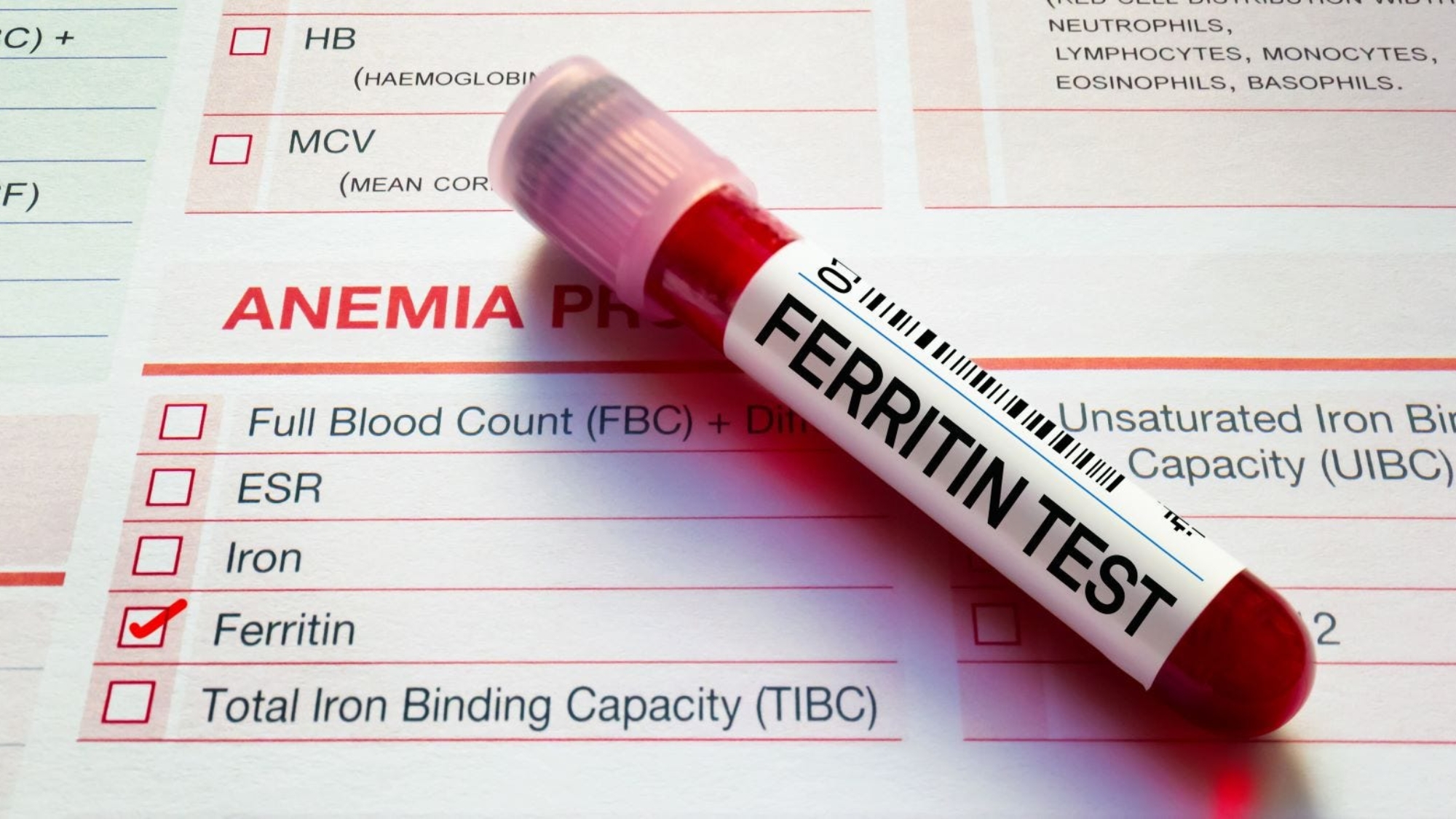
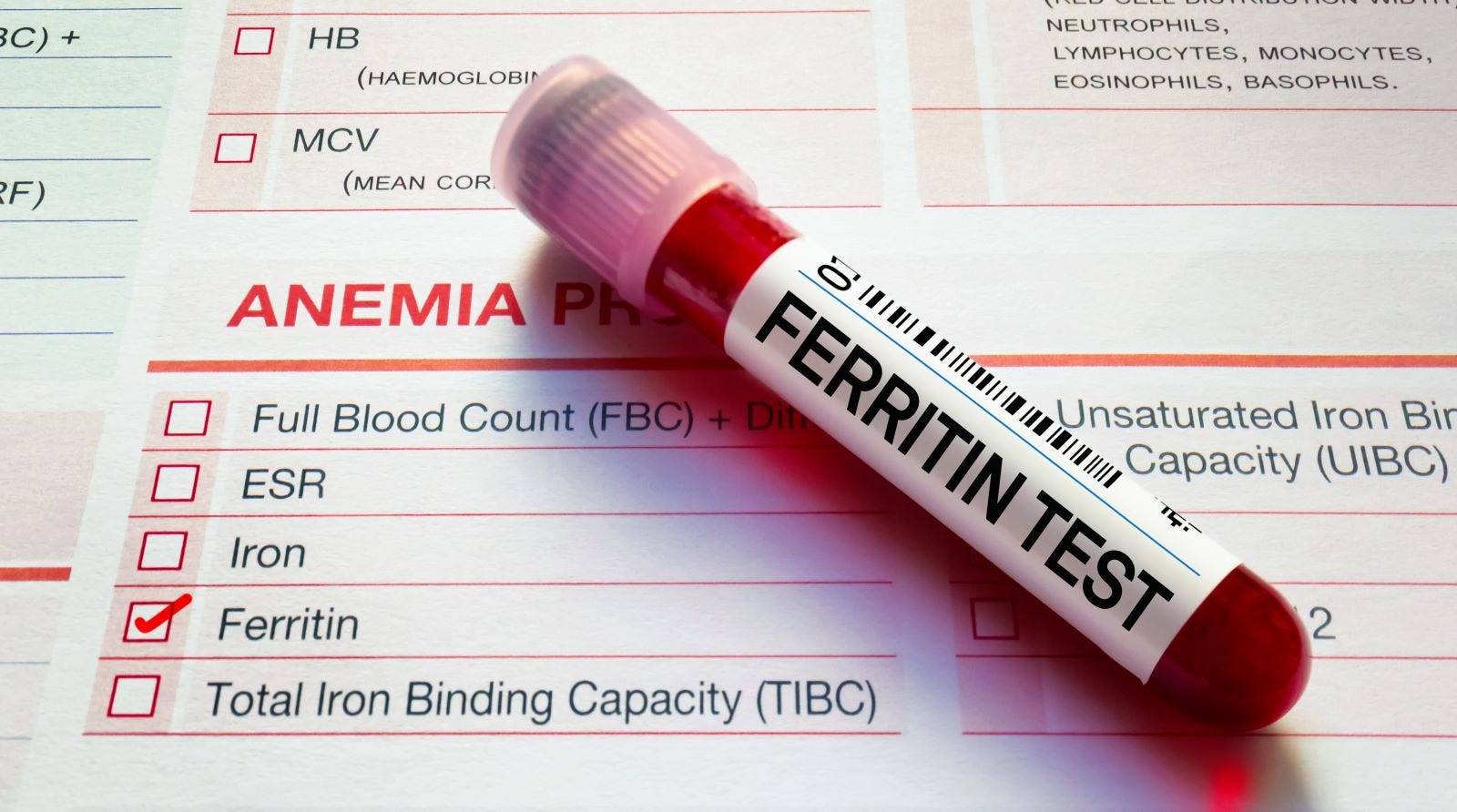
And this is where ferritin becomes an incredibly valuable marker. Ferritin reflects the body’s stored iron reserves. In many cases, these reserves begin declining long before anemia appears on a blood test. By just paying attention to ferritin, I’m able to identify a problem much earlier, when the body is still compensating, rather than waiting until it is completely depleted. That’s how I fix the root cause!
Looking Beyond the Lab Range
One of the core principles of functional medicine is that health exists on a spectrum. Rather than asking whether a marker is simply “normal,” we ask whether it is optimal. For instance, a ferritin level of 15 ng/mL may technically fall within the laboratory reference range, but that doesn’t necessarily mean the body has adequate iron reserves to support energy production, thyroid function, cognitive performance, healthy hair growth, and overall well-being. This is where the difference between conventional and functional interpretation often becomes important. Hence, I only focus on identifying the stage long before symptoms progress into a diagnosable deficiency.
Research suggests that ferritin levels below 30 ng/mL are often indicative of depleted iron stores, even when other markers may still appear “normal.” That’s why I consider the levels in the range of 50–150 ng/mL to be a more supportive range for optimal physiological function. My goal is simple, to create an environment where the body has the resources it needs to thrive.
The Hormonal Domino Effect
This cellular bankruptcy quickly creates a domino effect across your entire hormonal ecosystem, starting with your thyroid. Iron is required for the activity of thyroid peroxidase, an enzyme involved in thyroid hormone synthesis. When iron stores become depleted, the body may struggle to produce and utilize thyroid hormones efficiently, contributing to symptoms such as low energy, poor concentration, a sluggish metabolism, and increased sensitivity to cold.
Hair health can also be affected. Hair follicles are among the most metabolically active tissues in the body and require a steady supply of nutrients, including iron, to remain in their growth phase. When iron stores begin to decline, the body prioritizes more critical functions, often leaving hair follicles with fewer resources than they need to thrive. The result can be increased hair shedding, reduced hair density, and slower regrowth. Sometimes a compromised gut lining, chronic digestive issues, or inflammatory gut conditions can reduce the body’s ability to absorb iron efficiently. In other cases, inadequate stomach acid may be the missing piece, since an acidic environment is essential for liberating iron from food and making it available for absorption. For women, heavy menstrual bleeding, fibroids, endometriosis, and other menstrual irregularities can gradually deplete iron stores over time. And occasionally, persistently low ferritin may warrant further investigation for hidden blood loss from ulcers or other gastrointestinal conditions.
What makes iron deficiency particularly challenging is that it often appears as a collection of seemingly unrelated complaints: difficulty concentrating, poor exercise tolerance, low mood, brittle nails, restless legs, frequent headaches, or a lingering sense that your energy and resilience are not what they once were.
Rebuilding Iron Stores: Food First, Supplements When Needed
When it comes to improving ferritin levels, I always start with food before reaching for a supplement. Iron-rich foods such as lentils, beans, garden cress seeds, pumpkin seeds, sesame seeds, raisins, dates and dark leafy greens provide the building blocks needed to replenish iron stores.
However, intake is only one part of the equation, absorption matters just as much.
Pairing iron-rich foods with vitamin C sources such as lemon, amla, guava, citrus fruits, or bell peppers can significantly enhance iron absorption. At the same time, habits like consuming tea or coffee alongside meals interfere with iron uptake and are often worth addressing. Digestive health also plays a crucial role, as adequate stomach acid and a healthy gut environment are essential for extracting and absorbing iron efficiently.
In some cases, dietary changes alone may not be enough, particularly when ferritin has remained low for an extended period. Strategic supplementation can then become a valuable tool. The form of iron matters here, iron bisglycinate is often preferred over conventional forms such as ferrous sulfate due to its superior tolerability and absorption profile.
It’s equally important to remember that iron does not work alone. Nutrients such as vitamin C, vitamin A, copper, folate, vitamin B12, and vitamin B6 all contribute to healthy iron metabolism and red blood cell production.
Ultimately, restoring iron status isn’t simply about increasing iron intake. It’s about creating the right conditions for the body to absorb, utilize, and retain it effectively.
The Bottomline
Ferritin may appear as a small number on a blood report, but anyone who has experienced low iron knows it rarely feels small. The fatigue, poor recovery, brain fog, reduced stamina, and day-to-day struggle with energy can quietly influence every aspect of life. Which is why the conversation shouldn’t end with whether a value falls inside a reference range. It should begin with understanding why those reserves became depleted in the first place and what the body needs to rebuild them because the goal isn’t simply to achieve a “normal” result. It’s to have the energy to live well.
If you’d like a deeper, root-cause analysis of your blood work and personalized guidance, let’s book a discovery call with me to map out a personalized strategy for your health.